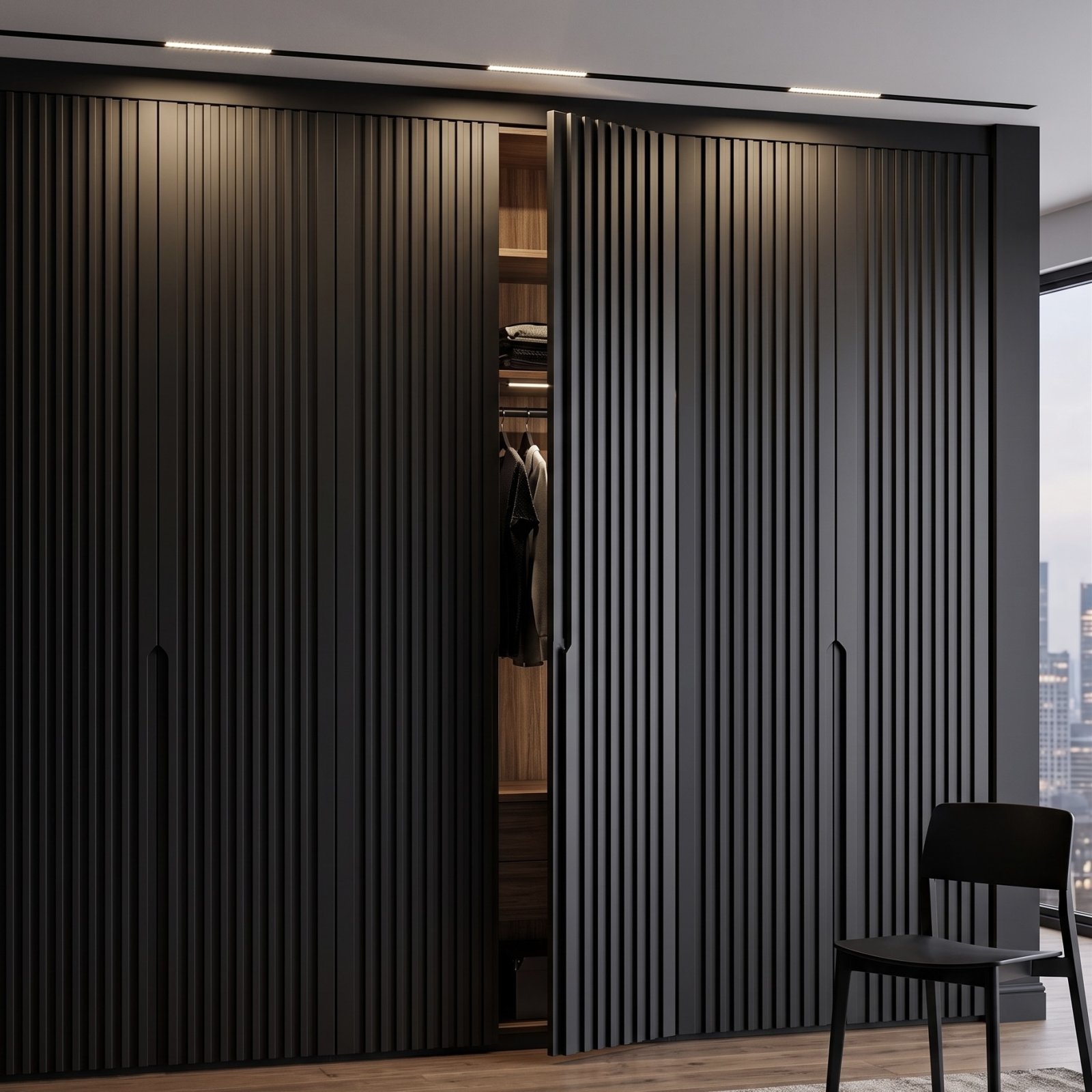
The best wardrobe interior isn’t simply the one with the most drawers; it’s the one that gives each item a considered place. Bespoke drawer boxes are available in 15 mm woodgrain MFC, while Egger 18 mm Decorative Collection can be specified by arrangement. When planning made to measure wardrobe internal drawers, material is only one part of the decision: dimensions, drawer depth and position all affect how the space works.
A well-planned wardrobe balances folded clothing, accessories and hanging space, with shelves and drawers arranged around what you need to store. This guide covers material choices, dimensions, layouts and finishes, and how drawer-and-shelf combinations can bring a fitted wardrobe together. You’ll see how shallow, medium and deep drawers suit different belongings, and how to create an interior that feels organised as well as refined.
Key Takeaways
- Choose an interior material and finish that complement the wardrobe design and suit everyday use.
- Plan drawer dimensions and positions around the clothing and belongings you store, rather than aiming for a set number of drawers.
- Combine drawers, shelves and hanging space to create distinct places for folded garments, smaller essentials and longer items.
- Consider bespoke fitted wardrobes when you want the interior layout and wardrobe doors to work together as a cohesive design.
What materials are used in fitted wardrobe interiors?
Bespoke drawer boxes are available in 15 mm woodgrain MFC, with Egger 18 mm Decorative Collection available by arrangement. Other options include 16 mm uni-coloured MFC decors, allowing the interior finish to complement the wardrobe’s aesthetic. Grooved drawer sides are designed to hold a 16 mm base panel, while sturdy construction helps prevent bases bowing under stored items.
Plan storage around your clothing and daily routine. Keep workwear and frequently worn tops within easy reach, for example, and place seasonal clothing lower down. In a bedroom alcove, fitted storage can make use of the available width while combining drawers, shelves and hanging space. In a living space, closed wardrobe doors keep clothing and accessories organised and out of sight.
Drawers inside a wardrobe integrate storage into the fitted unit and can make efficient use of an alcove, but take up space that could otherwise hold shelves or hanging clothes. A separate chest is independently accessible and movable, but uses additional floor space.
For installation, position the drawer unit in its planned wardrobe bay. Align and fix the runners to the sides, then fit the drawer box and check that it moves smoothly and has sufficient clearance. Accurate measurements help the drawers sit neatly within the wardrobe.
Soft-close runners can make drawers open and close smoothly and quietly. Their weight capacity depends on the hardware and drawer construction, so choose a rated load suited to the intended contents, from accessories to heavier folded knitwear.
Choose drawer sizes and positions by grouping your belongings: small accessories, everyday folded clothing and bulkier items. A shallow drawer can keep socks or jewellery together, while a deeper one suits jumpers. If you prefer more hanging space, reduce the drawer stack and add shelves instead. This tailored approach helps make effective use of storage in a bedroom, alcove or living-space wardrobe.
Custom dimensions, layouts and finishes
Start a made-to-measure layout by measuring the wardrobe’s clear width, depth and height. Account for hinges, skirting boards and sloping ceilings, and allow for drawer fronts and runners. These details determine the usable space and whether drawers can open fully. Reserve enough height for long garments before planning made to measure wardrobe internal drawers.
There’s no fixed recommended drawer count. Choose the number and arrangement to suit your folded clothing and preferred way of organising. Combining shallow and deep drawers can separate small items from bulky garments, while placing deeper drawers lower can make them easier to reach. For made to measure wardrobe internal drawers, plan the dimensions, layout and finish around the available space.
Melamine-faced chipboard offers a practical surface. Bespoke drawer boxes are available in 16 mm uni-coloured MFC decors, with Egger 18 mm Decorative Collection available by arrangement. Match board thickness to the unit specification and choose a finish that complements bedroom furniture. Contrasting cabinet colours can also give the interior a distinct look.
Alpine White is a pale finish to consider alongside wardrobe doors, flooring and furniture. Internal finishes can complement the wardrobe’s overall look, while concealed drawers keep its exterior uncluttered. The right combination depends on the room’s proportions and what you plan to store.
Before ordering, record the wardrobe’s internal width, depth and height, then confirm the drawer dimensions, layout and finish. Check the planned position against hinges, hanging rails and door movement. This helps avoid clashes and keeps the storage practical to use.
For a complete scheme, consider how the interior will integrate with the surrounding wardrobe design, from its finish to its proportions.
Drawer and shelf combinations
A bespoke interior can combine drawers, shelves and hanging space to organise clothing. The right balance depends on what you store and how you use it.
Combining drawers and shelves
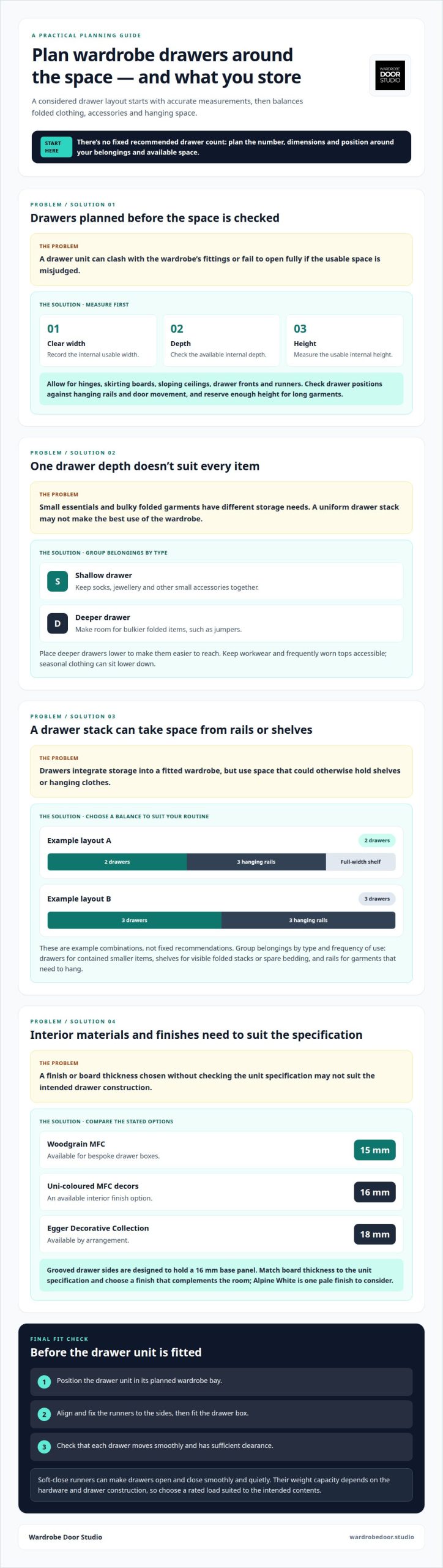
Pair drawers for folded garments with shelves for items you want to see or reach quickly. One example combines 2 drawers, 3 hanging rails and a full-width shelf. Another arrangement uses 3 drawers with 3 hanging rails. These combinations show how a fitted interior can divide space between folded clothing and hanging garments. Consider what needs regular access, then position those components accordingly.
Drawers, shelves and pull-out baskets
Drawers suit smaller items and clothing you want to keep contained, while shelves provide open space for folded stacks. Pull-out baskets make stored items visible and accessible, though they don’t enclose belongings like drawers do. Neither drawers nor shelves are always better: choose based on the items, access and appearance you prefer. A drawer can keep socks and accessories together, while a shelf offers a flexible surface for larger folded garments.
To plan the combination, group belongings by type and frequency of use. Place everyday essentials where they’re easy to reach, reserve hanging rails for garments that need to hang, and use shelves for folded items or spare bedding. A layout with 2 drawers and 3 hanging rails leaves a different balance than one with 3 drawers and 3 rails. Bespoke planning lets the proportions reflect your storage priorities.
Explore wardrobe design options to shape a considered storage layout.
Wardrobe Door Studio: Bespoke Fitted Wardrobes
Wardrobe Door Studio creates Bespoke Fitted Wardrobes for spaces where the interior layout and exterior finish need to work together. If you’re planning storage for an alcove, bedroom or dressing area, the design can be tailored to suit the room.
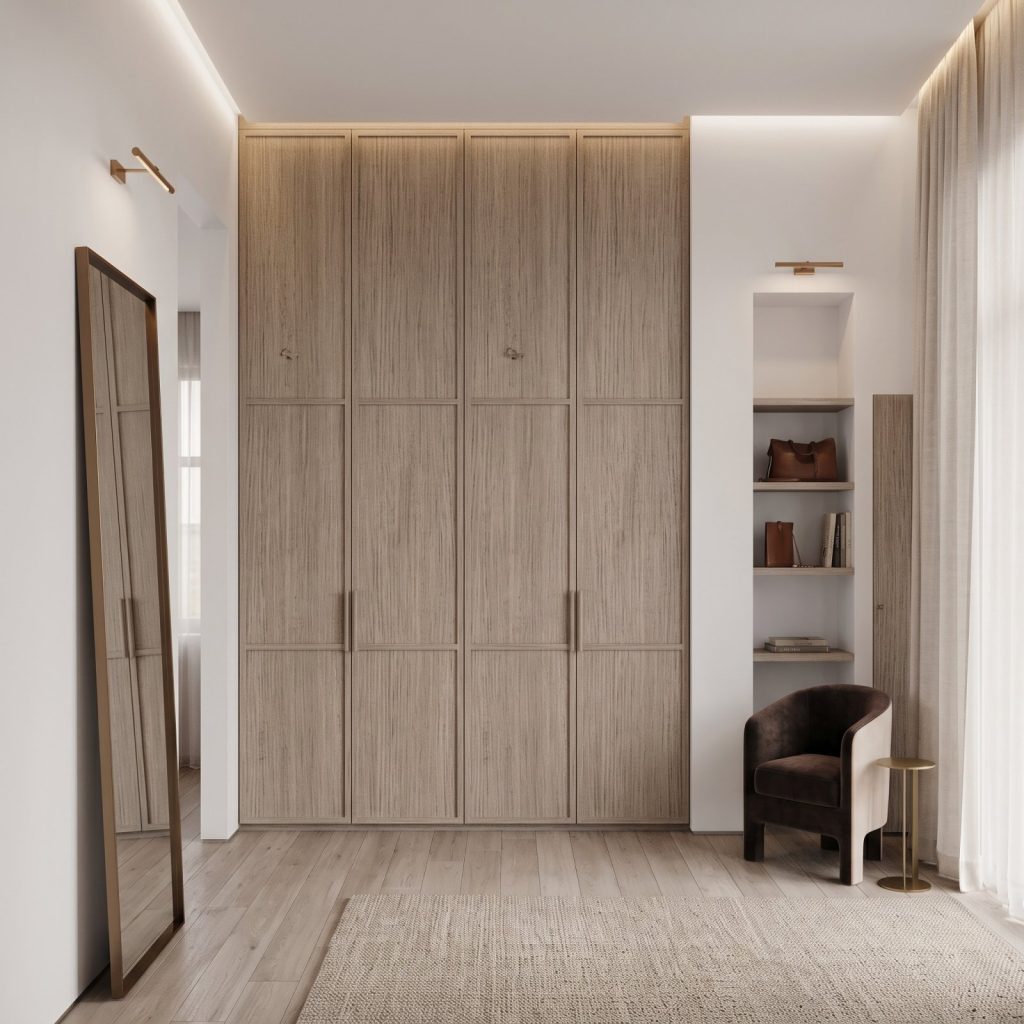
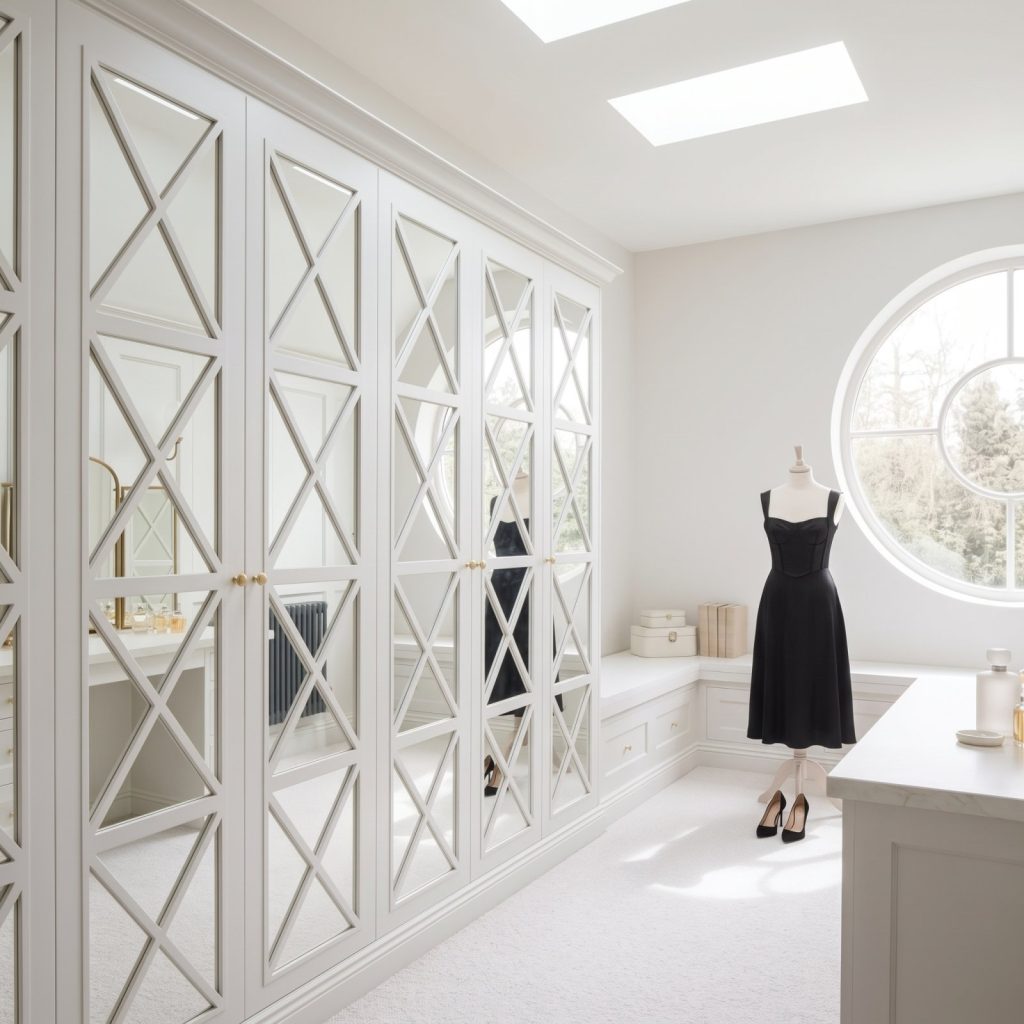
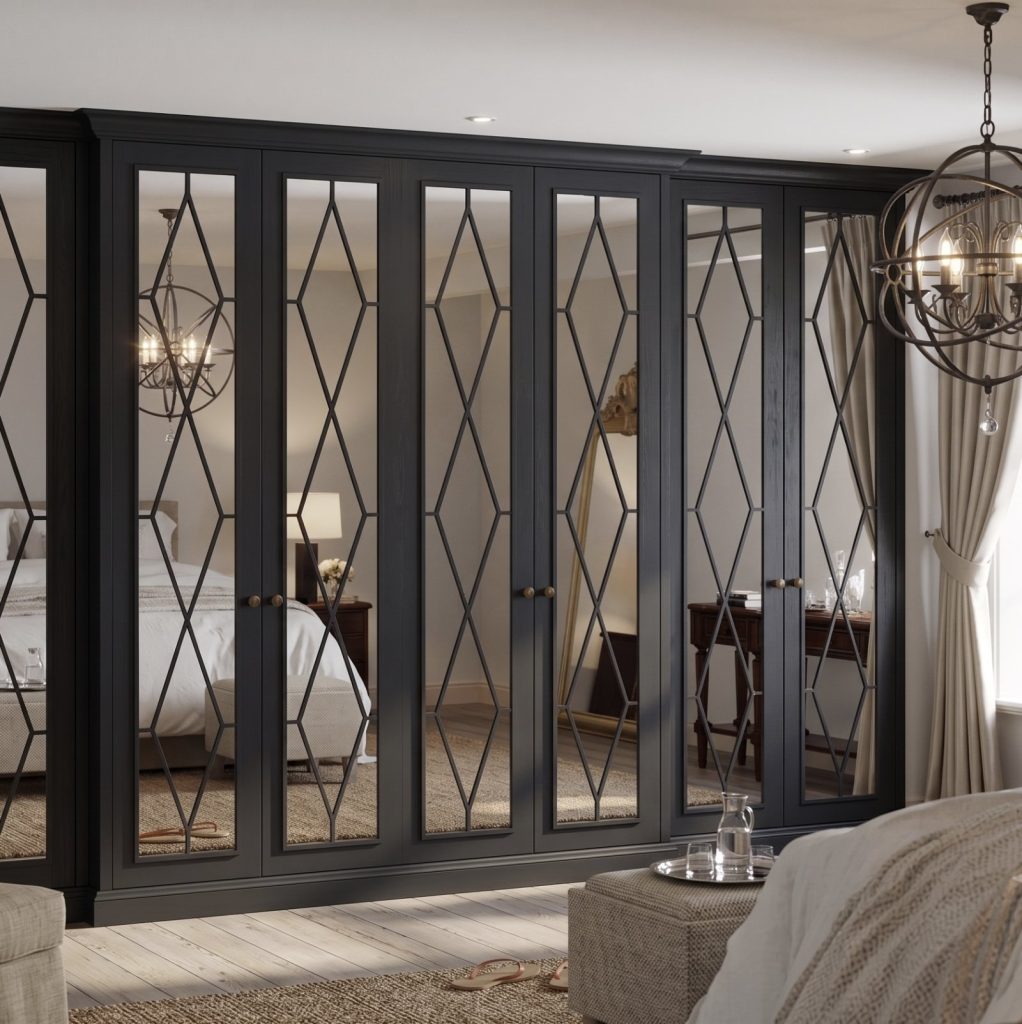
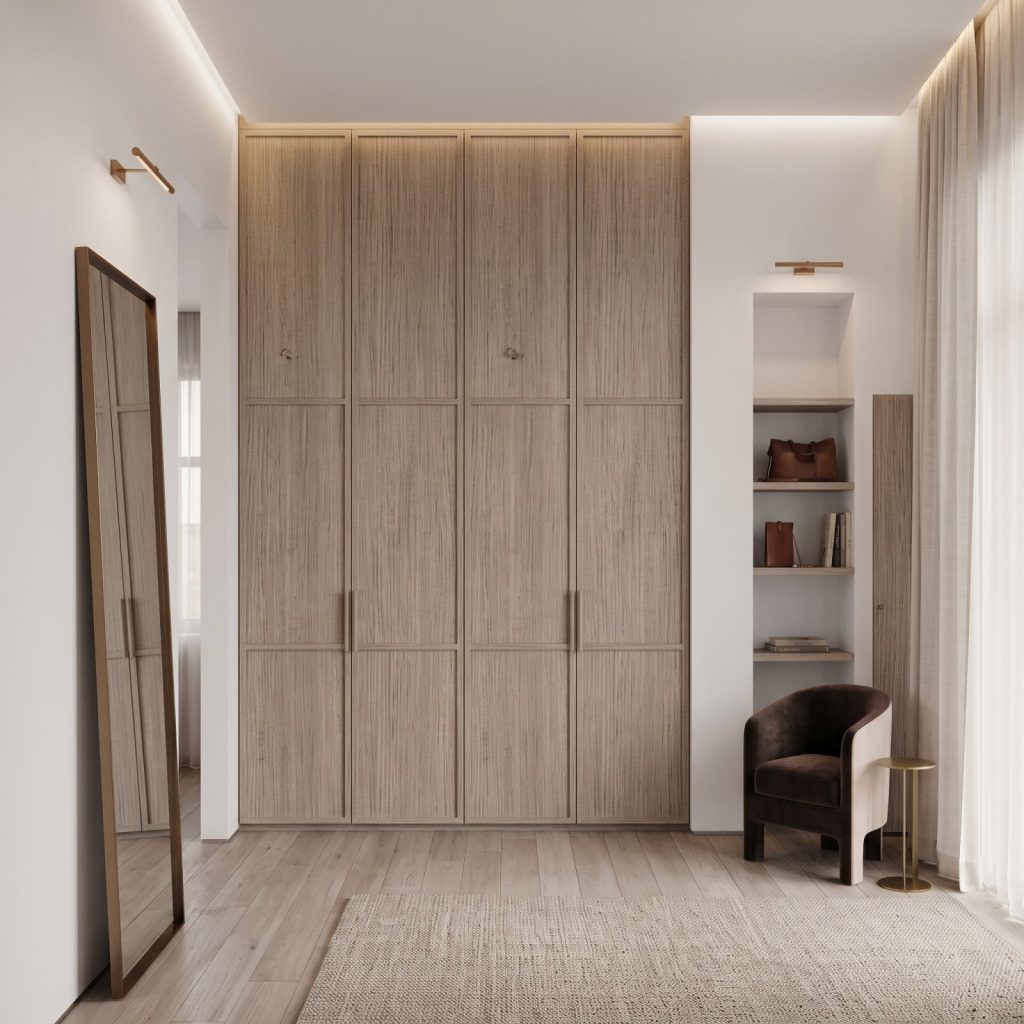
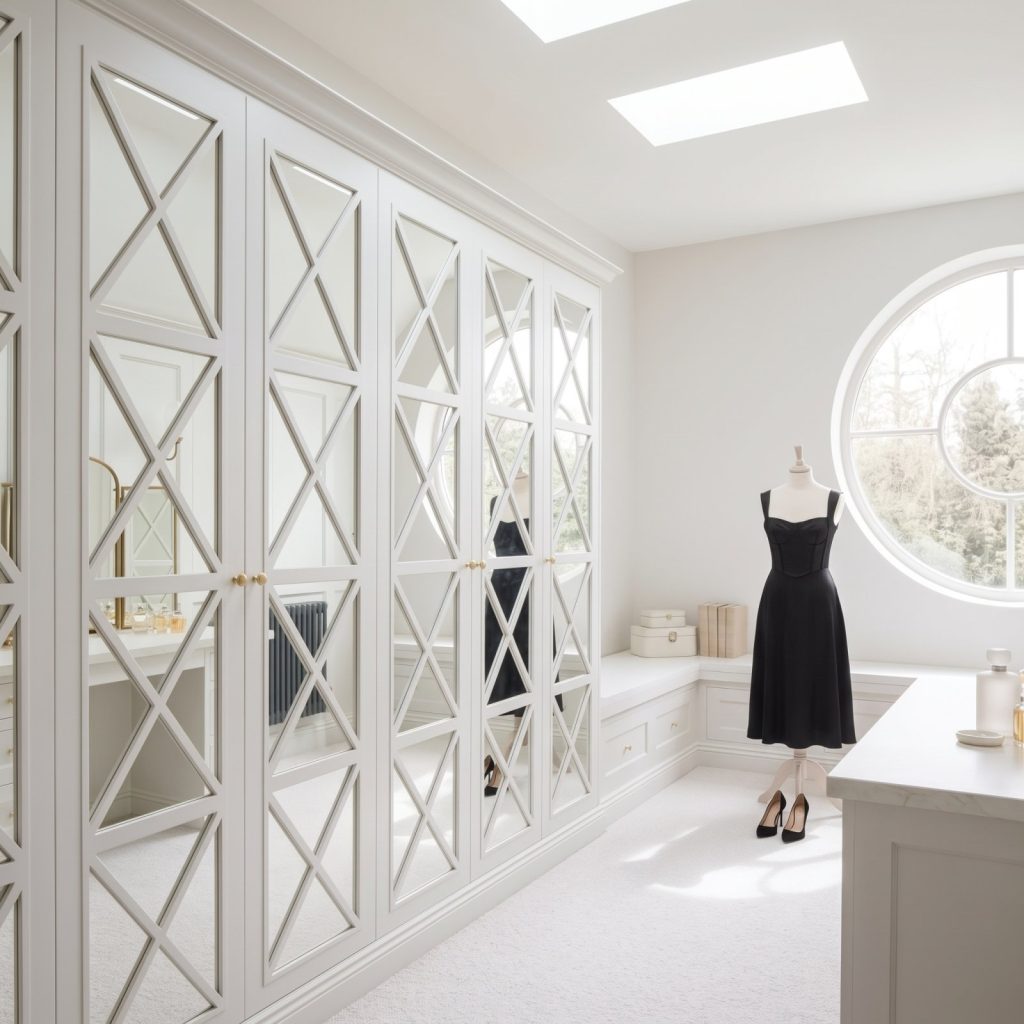
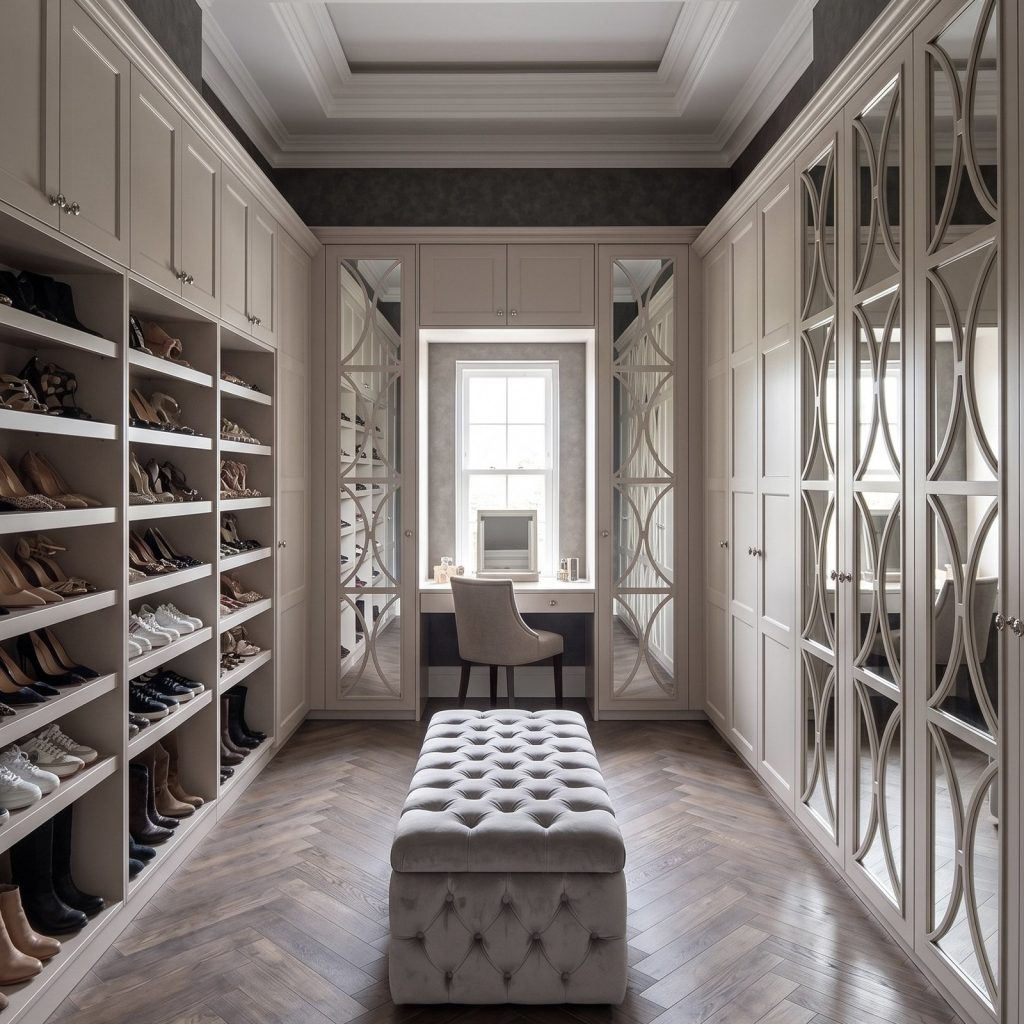
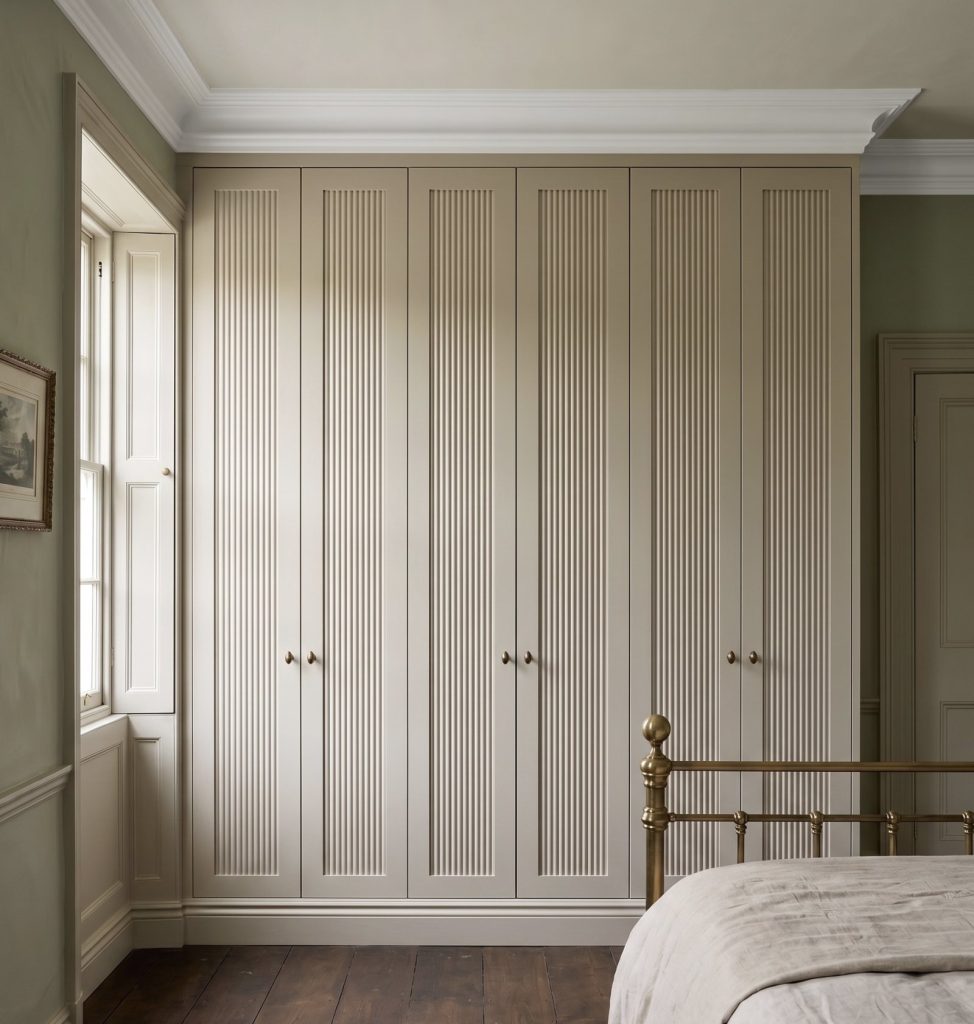
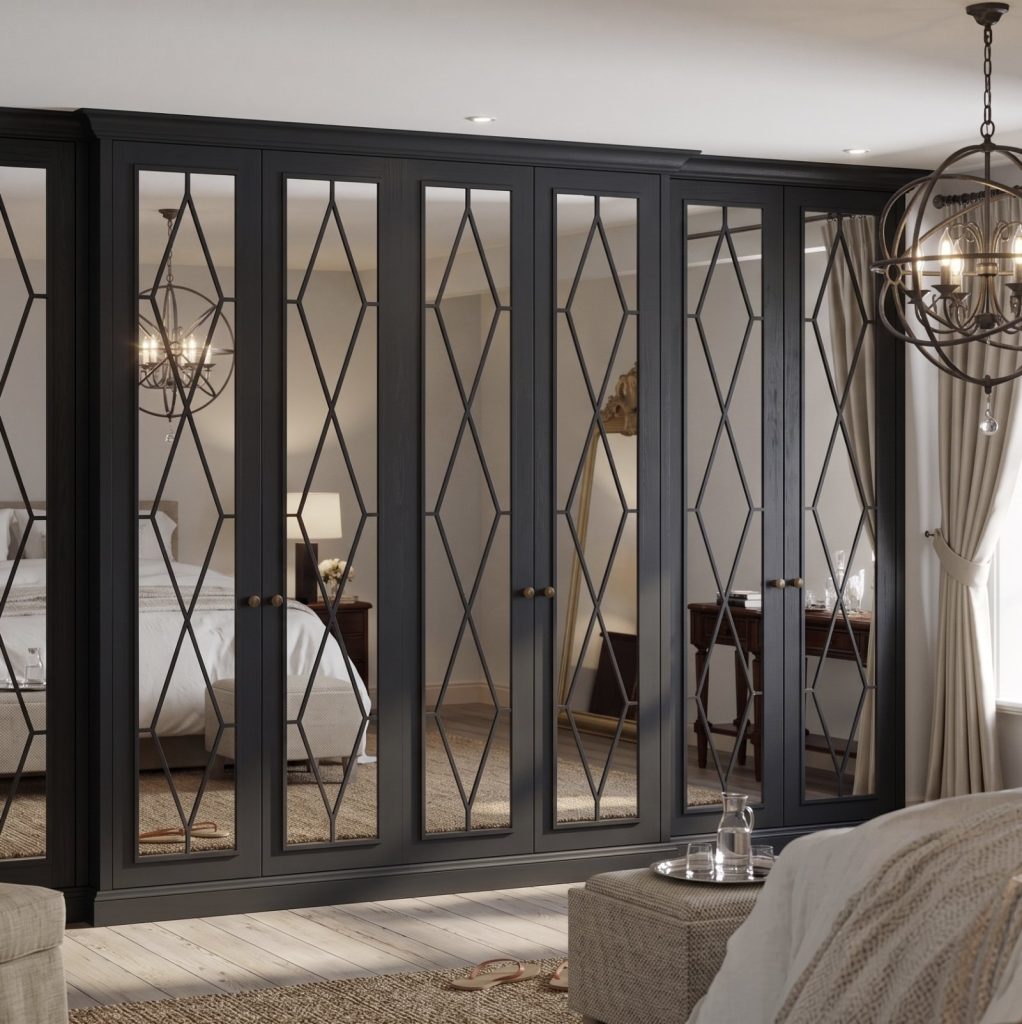
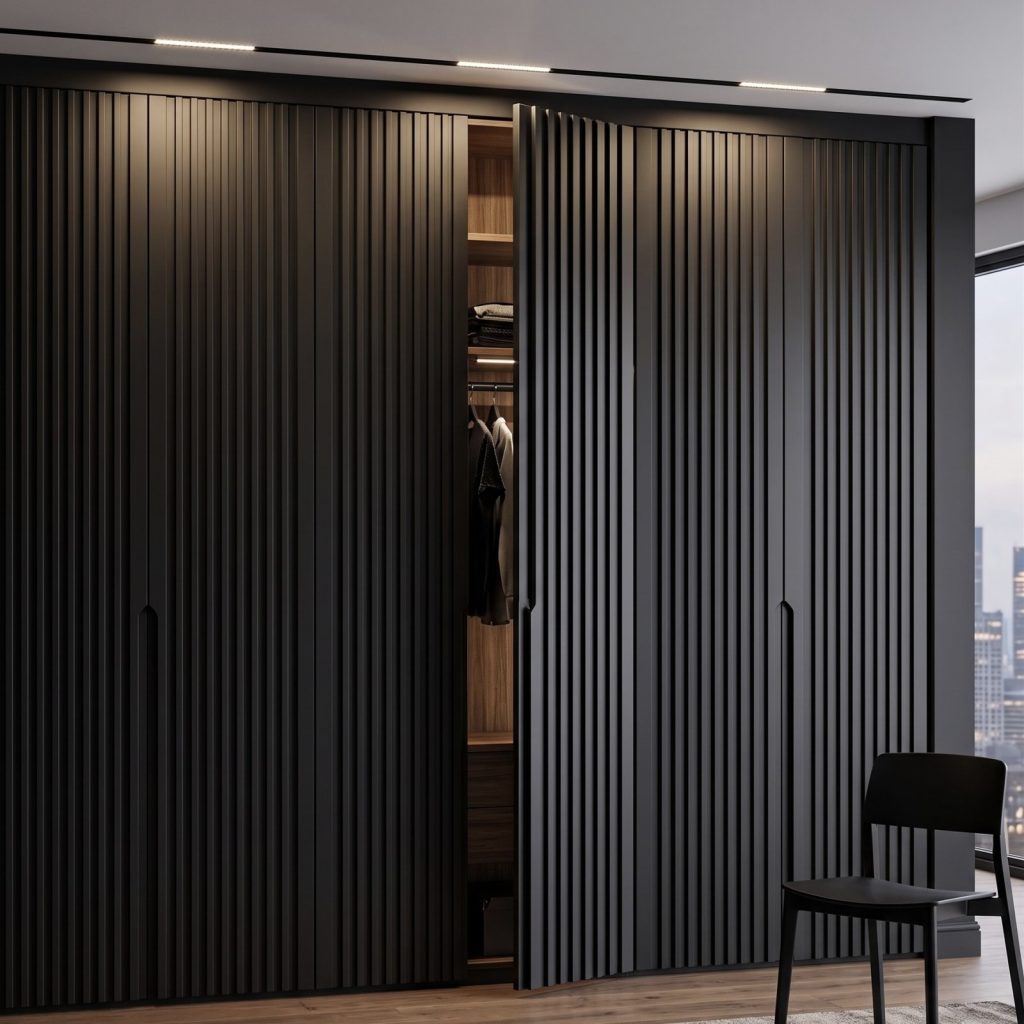
Wardrobe doors contribute to the overall finish. Choose Skinny Shaker, Mirror Fret or Classic Shaker Wardrobe Doors to establish the look, then plan how the fitted design will work with your drawers, shelves and hanging space. A cohesive scheme brings practical storage and considered design together.
If you’re ready to discuss your fitted wardrobe project, contact Wardrobe Door Studio.
Shape a wardrobe around your next chapter
A considered plan for made to measure wardrobe internal drawers can support changing routines, from new workwear to a growing collection of accessories. Think beyond today’s needs and plan an interior that suits how you dress and organise your space over time. Skinny Shaker, Mirror Fret and Classic Shaker Wardrobe Doors offer distinct design directions for the exterior.
Wardrobe Door Studio can help bring those choices together in a bespoke fitted wardrobe. Whether you’re planning a single room or refining an existing interior, a clear brief about your space and priorities gives the design process a useful starting point.
Contact Wardrobe Door Studio to discuss your ideas and take the next step towards a wardrobe designed around you.
Frequently Asked Questions
What internal drawer options are available for a made-to-measure wardrobe?
Options include drawer stacks with different depths, fitted within a wardrobe bay or combined with hanging rails and shelves. Choose according to what needs to share that section of the wardrobe. A narrow stack, for instance, can sit beside long-garment hanging space, while a wider unit can serve as the main area for folded clothing.
How are made-to-measure wardrobe drawers sized and configured?
Size drawers to the intended opening, then choose the unit dimensions, drawer arrangement and finish. For a practical fit, measure the usable interior rather than relying on the wardrobe’s external dimensions. Check that the drawers can open without catching on doors, hinges or nearby furniture.
What materials and finishes are used for fitted wardrobe internal drawers?
Options include 15 mm woodgrain MFC and 16 mm uni-coloured MFC decors; Egger 18 mm Decorative Collection is available by arrangement. Drawer sides can be grooved to hold a 16 mm base panel. Compare samples in the bedroom’s lighting, since a finish can appear different beside painted doors or darker furniture.
What measurements are needed to plan internal wardrobe drawers?
Measure the clear internal width, depth and height of the wardrobe section planned for drawers. Note obstructions such as hinges, central dividers and projecting door frames, which can reduce usable space. If the walls are uneven, measure the opening at more than one point and plan around the narrowest clear measurement.
Can internal wardrobe drawers be customised with dividers, soft-close runners or locks?
Dividers can keep separate items organised within a drawer, while soft-close runners help it open and close smoothly and quietly. Locks are a separate hardware consideration for belongings that need extra security. Include these requirements with the drawer dimensions and intended contents so each feature forms part of the overall specification.