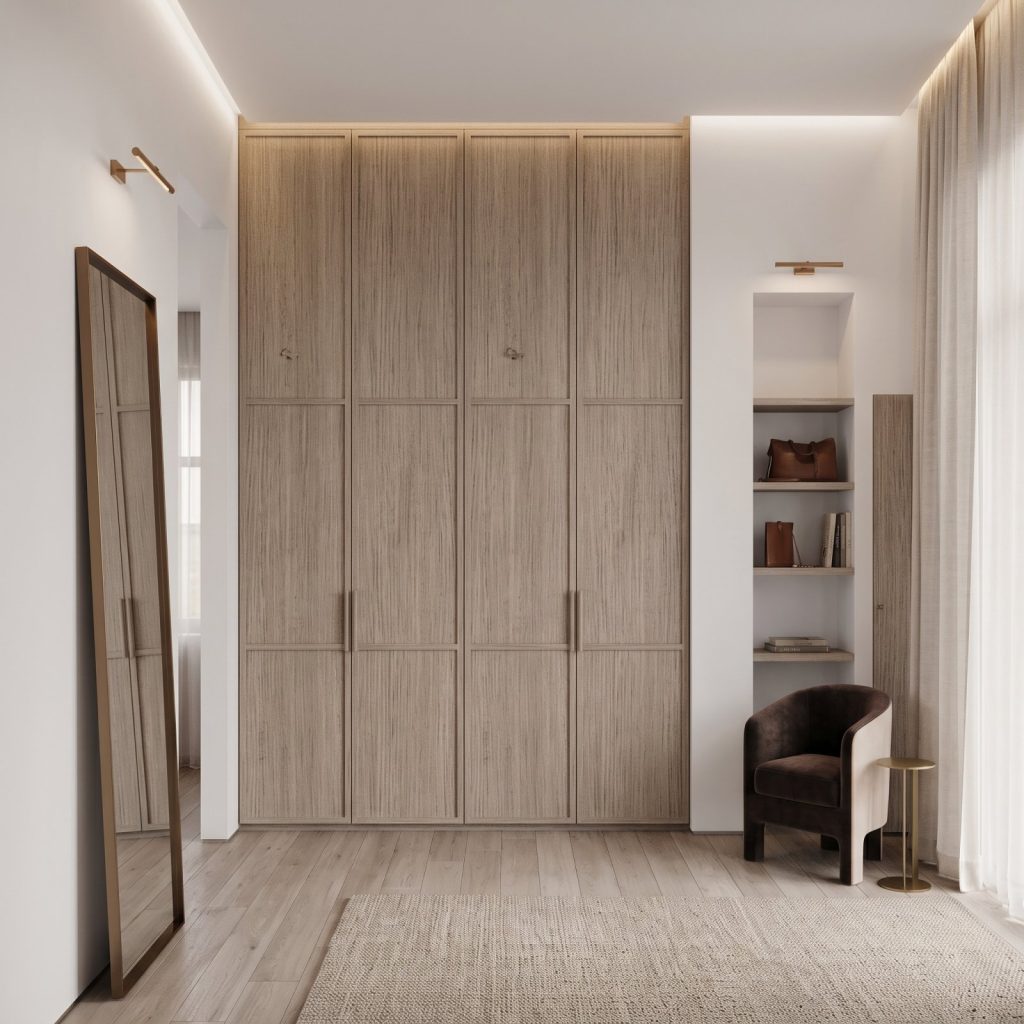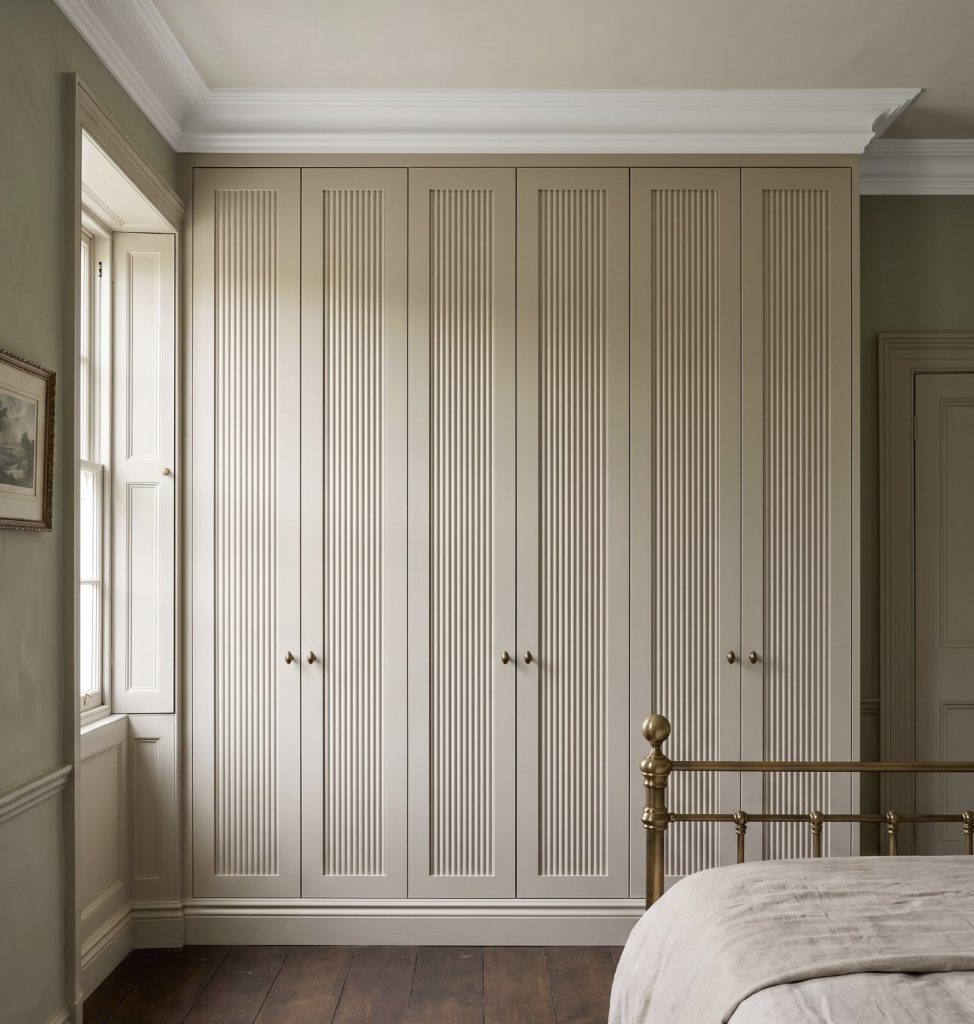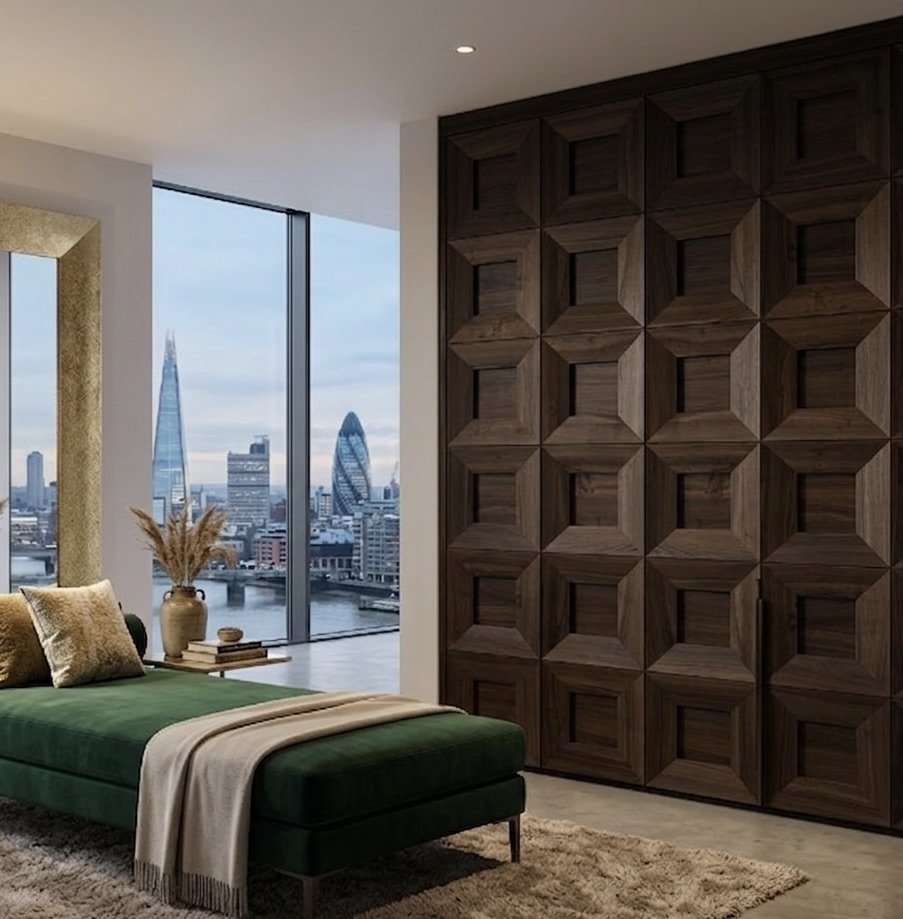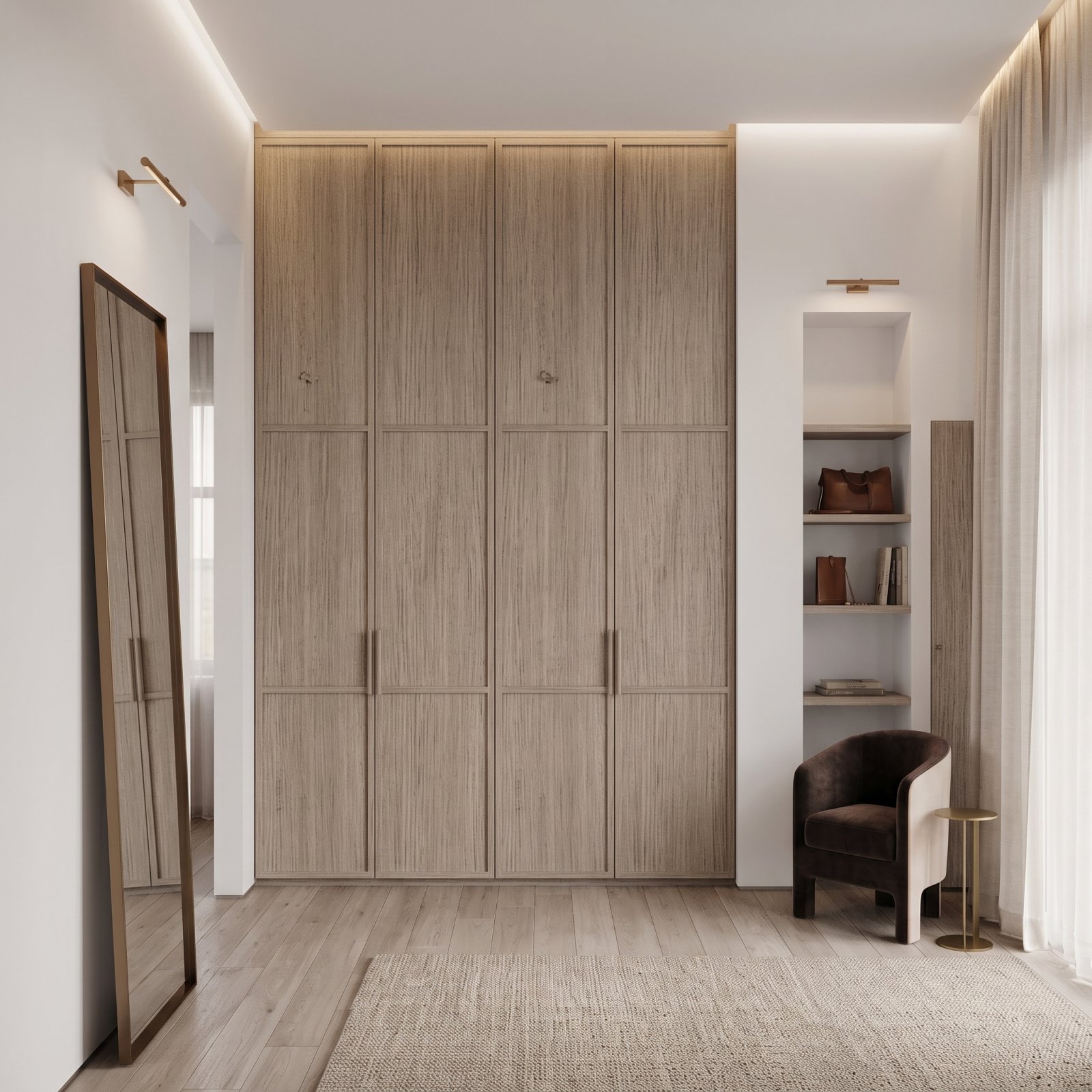
The door design, not the colour, gives Shaker wardrobes their defining character. Recessed panels and restrained detailing create a considered look, while practical storage supports everyday use. A Shaker fitted wardrobe can suit a modern, rustic or classic bedroom.
Choosing Shaker wardrobes involves more than selecting a door. Proportions, internal layout and finish all shape how the wardrobe looks and works in your room. This guide explains the defining features and how to plan storage around your belongings and available space.
You’ll also learn how to choose a cohesive combination of colour, finish and hardware. Whether you prefer a quiet backdrop or a distinctive feature, these choices can make Shaker wardrobes a thoughtful fit for your bedroom.
Key Takeaways
- Recognise how the panel proportions of shaker wardrobes influence the style of a bedroom.
- Plan storage for your belongings, then assess whether shaker wardrobes suit the available room dimensions.
- Coordinate colour, finish and hardware to give shaker wardrobes a unified look with the wider interior.
- Compare door designs to identify an option that complements your fitted wardrobe project.
What is a shaker style fitted wardrobe?
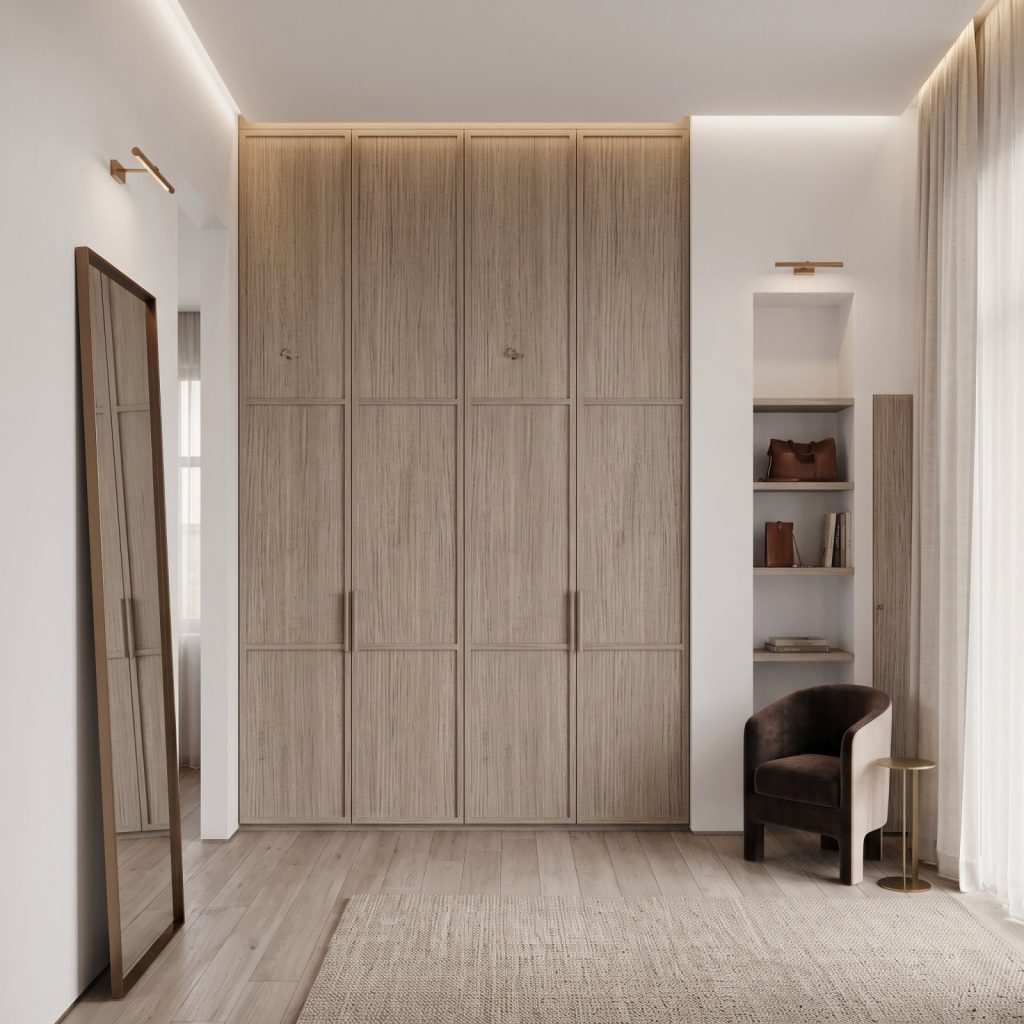
Shaker wardrobes have recessed, square panels and restrained detailing rather than ornate decoration. Their balanced proportions can complement classic, rustic or modern bedrooms. A fitted design follows the room’s dimensions, creating a unified appearance around features such as a sloping ceiling or chimney breast. Panel width and frame proportions influence whether the overall effect feels traditional or contemporary.
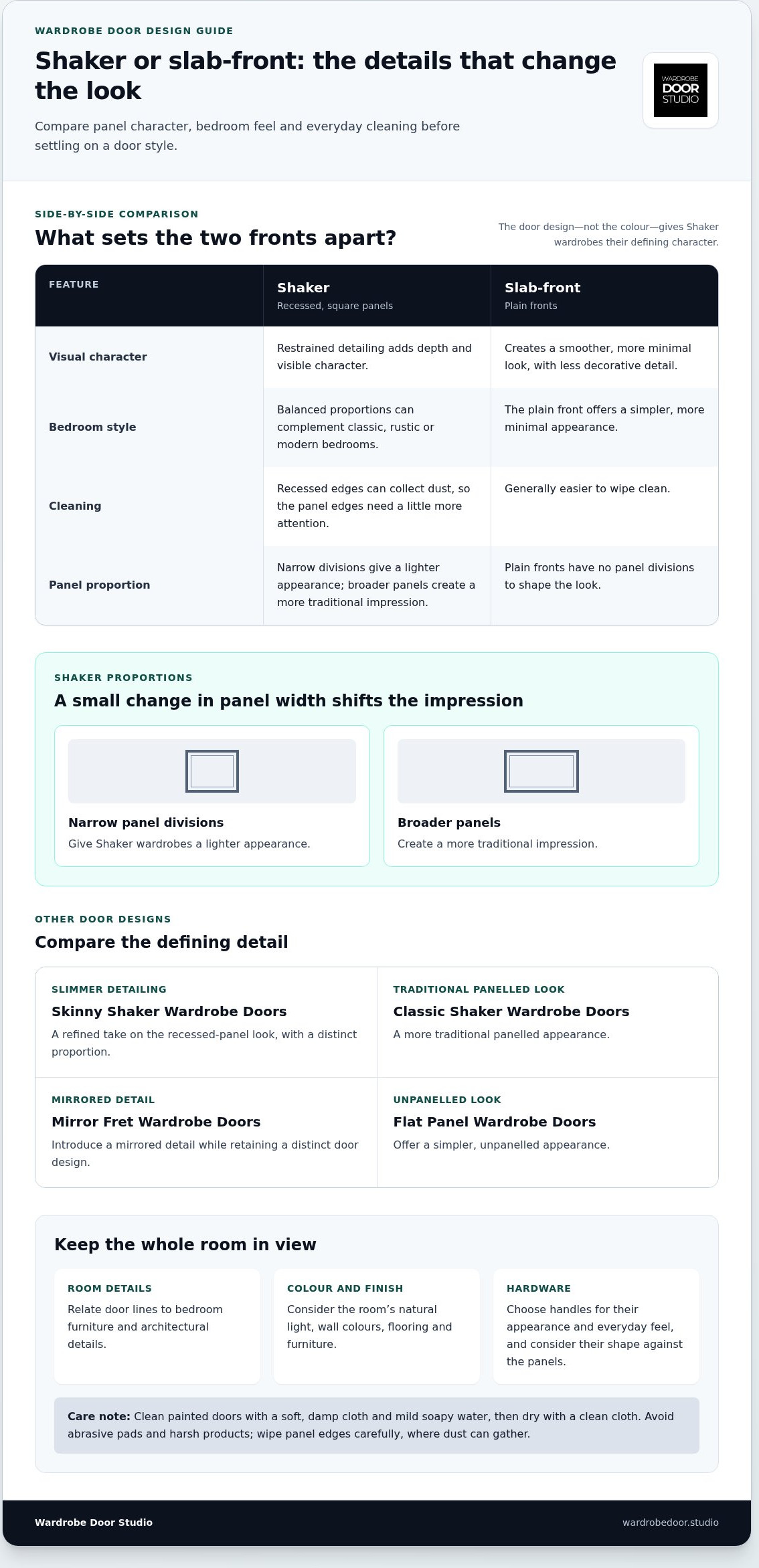
Compared with slab-front doors, Shaker panels add depth and visible character, while plain fronts create a smoother, more minimal look. The recessed edges of Shaker wardrobes can collect dust, so cleaning takes a little more attention. Slab fronts are generally easier to wipe, but offer less decorative detail.
For a design consultation, bring inspiration images and a list of storage needs. Discuss door proportions, internal layout and finish, then review the proposed design and quotation. A bedroom appointment can use a 3D plan to show how the fitted wardrobe relates to the room. Before installation, a survey records measurements and obstacles such as skirting boards, sockets and ceiling angles. Those details inform the final design and fitting plan.
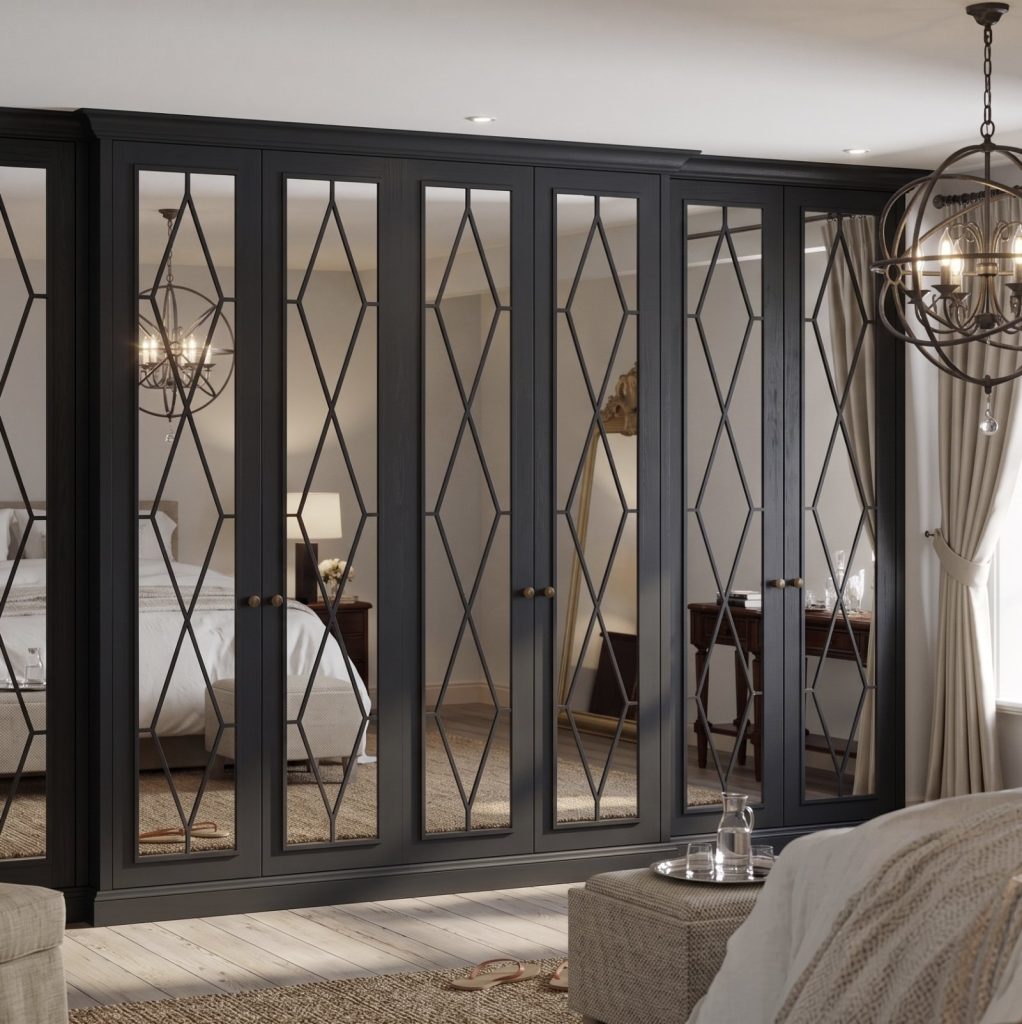
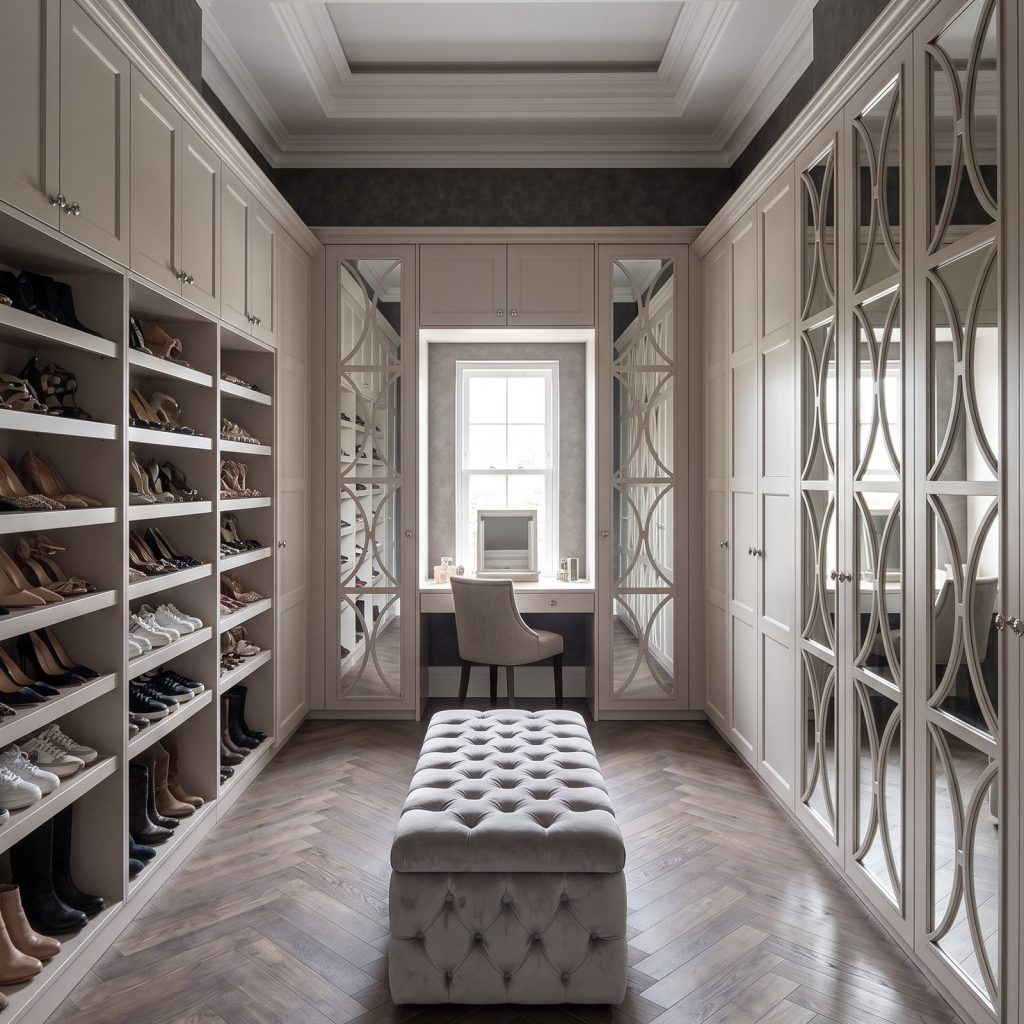
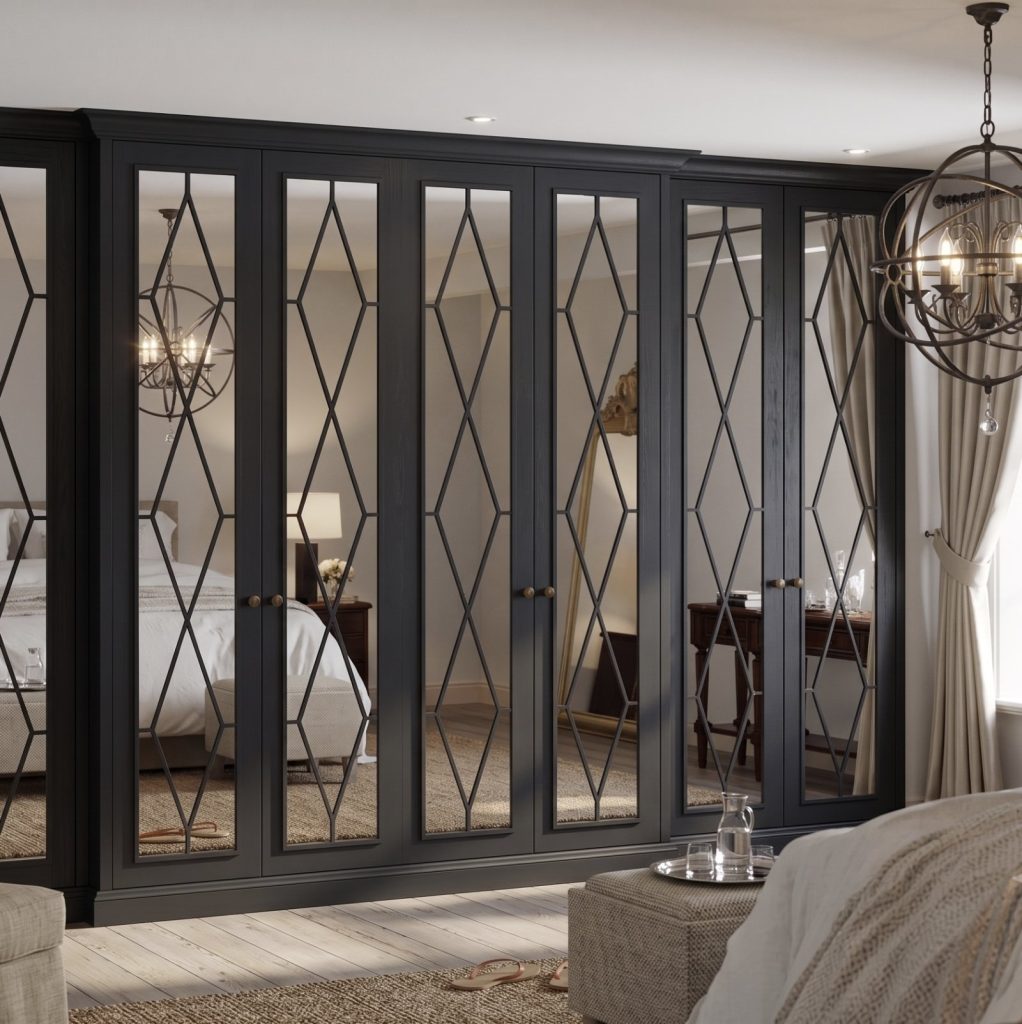
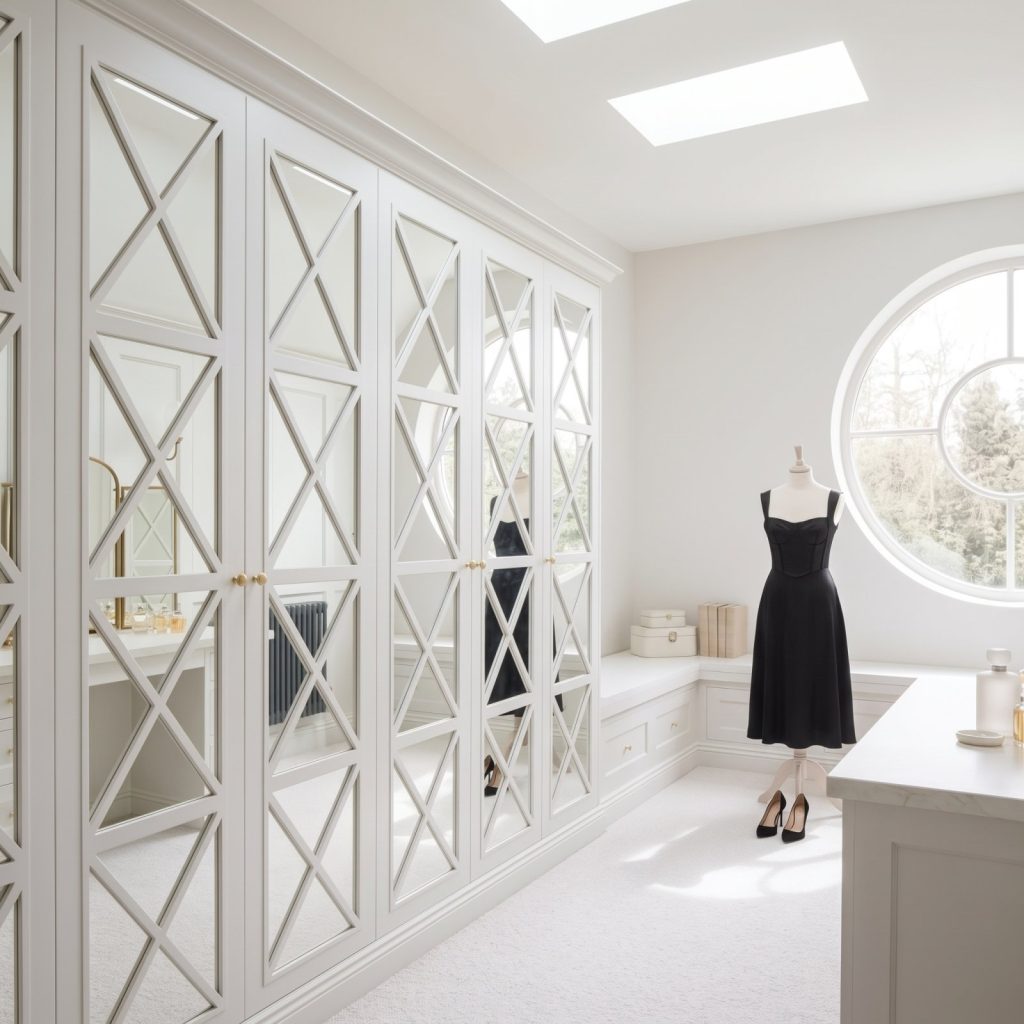
Styling matters, too. Narrow panel divisions can give Shaker wardrobes a lighter appearance, while broader panels create a more traditional impression. Relate the door lines to bedroom furniture and architectural details. Glass-panel inserts can add contrast and a decorative note while retaining the panelled character.
Clean painted doors with a soft, damp cloth and mild soapy water, then dry with a clean cloth. Avoid abrasive pads and harsh products, which can mark the surface. Wipe the panel edges carefully, as dust can gather there.
Custom wardrobe storage
A functional interior makes a fitted wardrobe more useful than freestanding furniture. Plan its compartments around your clothing, accessories and daily routine.
Custom storage options
Start by grouping what you own: long coats need full-height hanging, while shirts suit shorter rails. Folded knitwear, shoes and accessories each benefit from shelves, drawers or dedicated compartments. Give each category a clear place rather than filling every section with rails.
Consider how often you reach for each item. Keep everyday clothing accessible and place occasional pieces higher or further back. In a shared bedroom, dividing storage between users can make the layout more functional. These choices help the wardrobe work with the room’s furniture and overall design.
Available wardrobe sizes
There is no single standard size for a fitted Shaker wardrobe in the UK. Dimensions are planned around the available space and the room’s features, so the design can suit a narrow alcove, a broad wall or a floor-to-ceiling arrangement.
Before settling on a layout, note the usable width and height, along with any sloping ceiling or obstructions. These measurements help determine door proportions and how much interior storage the design can accommodate. A bespoke layout can make better use of awkward spaces than choosing dimensions in advance.
For a practical starting point, list each storage need and its priority. For example, a household with long dresses, folded clothes and shoes may allocate separate hanging, drawer and shelving zones. Review how doors open beside bedside tables or other furniture, too. A clear plan connects the wardrobe’s exterior proportions with its everyday function. Explore wardrobe design inspiration as you refine your layout.
Wardrobe colours, finishes and hardware
Colour and finish affect how a fitted wardrobe sits within a bedroom scheme. Consider the room’s natural light, nearby wall colours, flooring and furniture before choosing. A sample viewed beside these surfaces gives a more useful impression than seeing a colour alone. Decide whether the doors should blend into the room or become a defining feature.
Soft grey, beige and sage green can create a calm bedroom palette. Lighter finishes are often suggested for smaller rooms, while darker colours can make a more striking statement. Consider the room’s proportions and light rather than treating colour as a separate decision. A considered result works with the bedding, walls and other furniture.
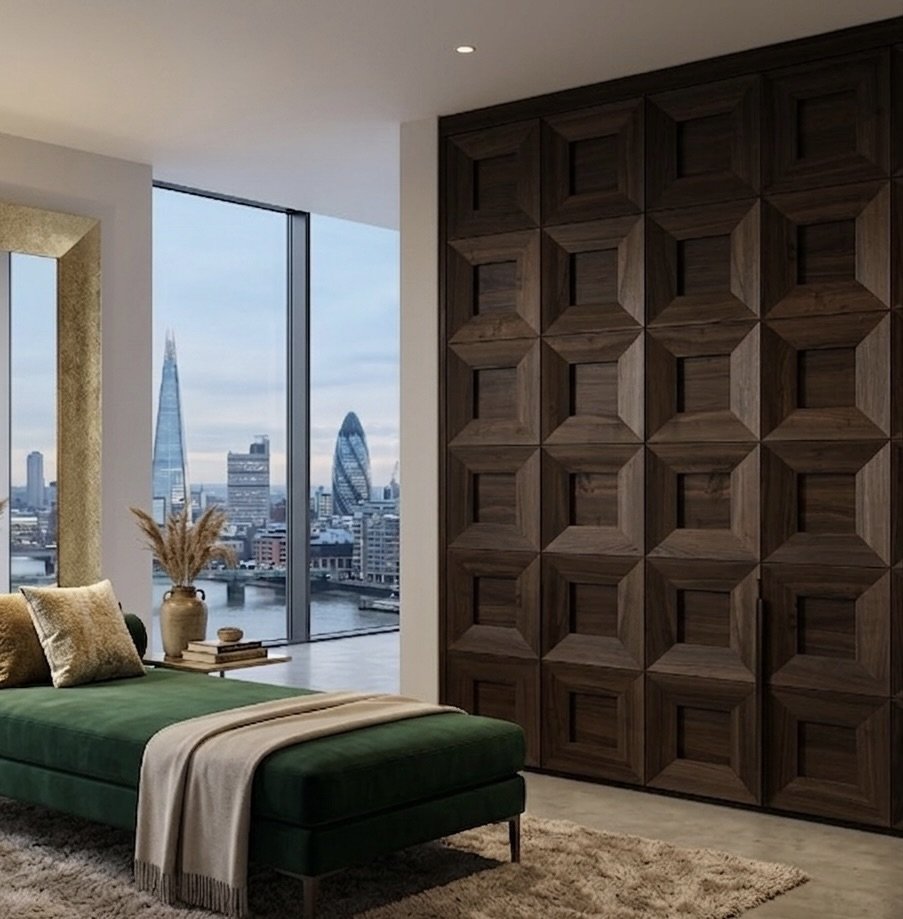
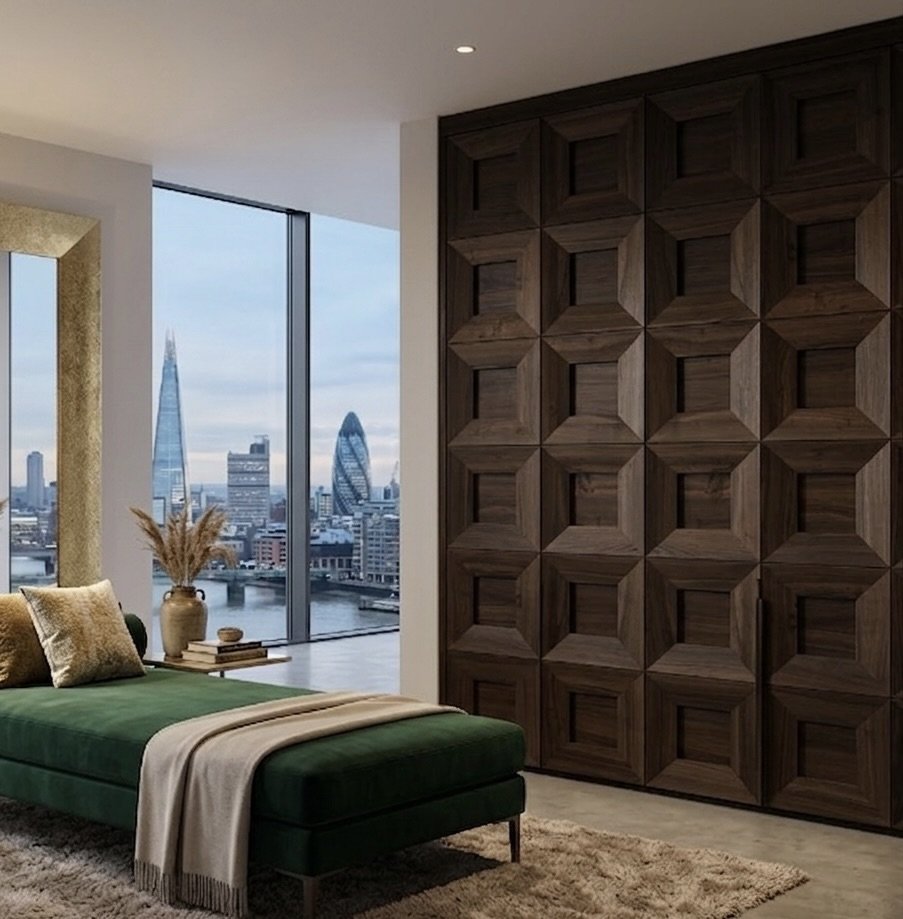
Painted doors offer a smooth, coloured appearance, while a finish that shows wood grain brings natural texture to the fore. Either can support a classic or contemporary scheme, depending on the shade and surrounding details. Grain adds variation and an organic quality. Compare finish samples in the bedroom’s daylight and evening lighting before deciding.
Hardware completes the design. Choose handles for their appearance and how they feel in everyday use, then consider their shape against the door panels. Combined handles can create a smoother, contemporary look; more decorative forms can reinforce a classic interior. Keep the finish consistent with visible metal details elsewhere, such as bedside lamps or drawer pulls.
Bring colour, finish and handle choices together before finalising the design. Explore wardrobe design options to develop a coordinated look for your bedroom.
Wardrobe Door Studio: Skinny Shaker Wardrobe Doors
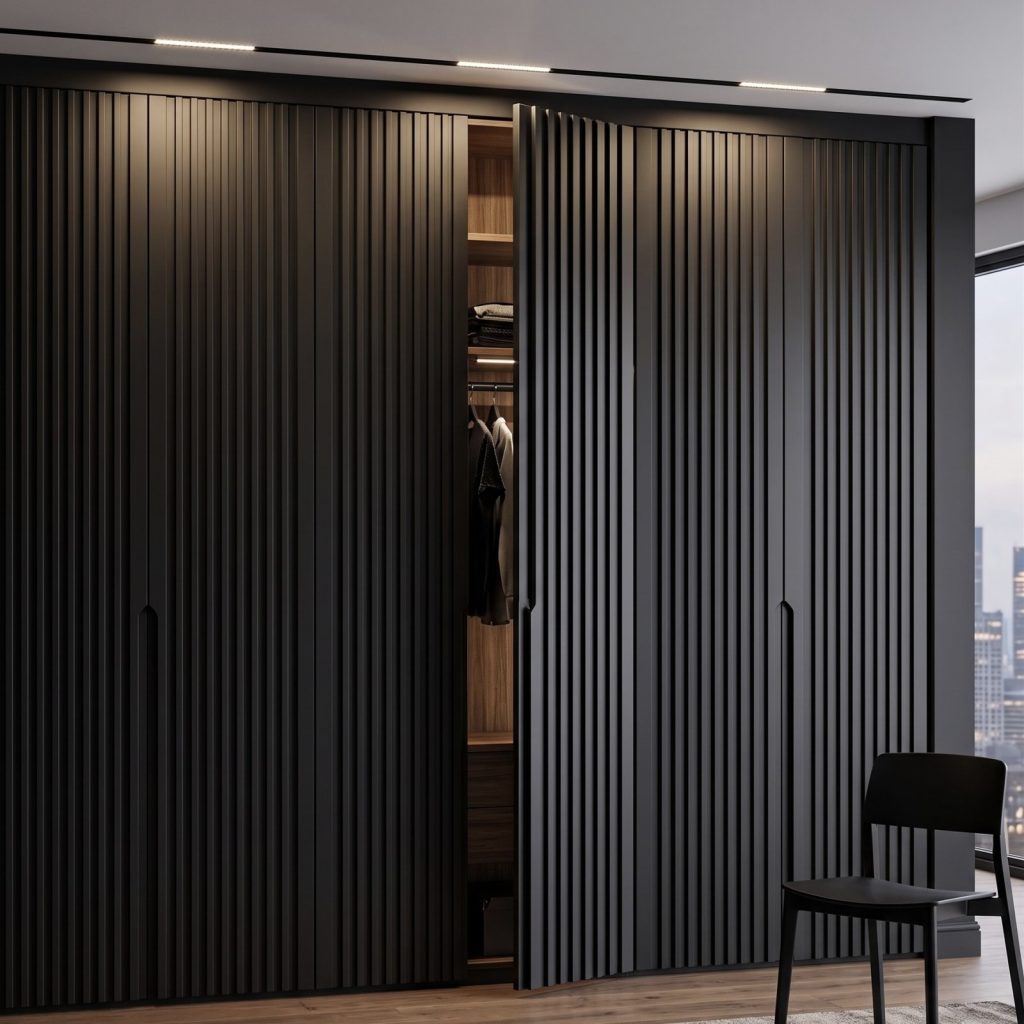
Wardrobe Door Studio offers Skinny Shaker Wardrobe Doors for a refined take on the recessed-panel look. Their slimmer detailing creates a distinct proportion, while Classic Shaker Wardrobe Doors offer a more traditional panelled appearance. Choose according to the character you want for your bedroom.
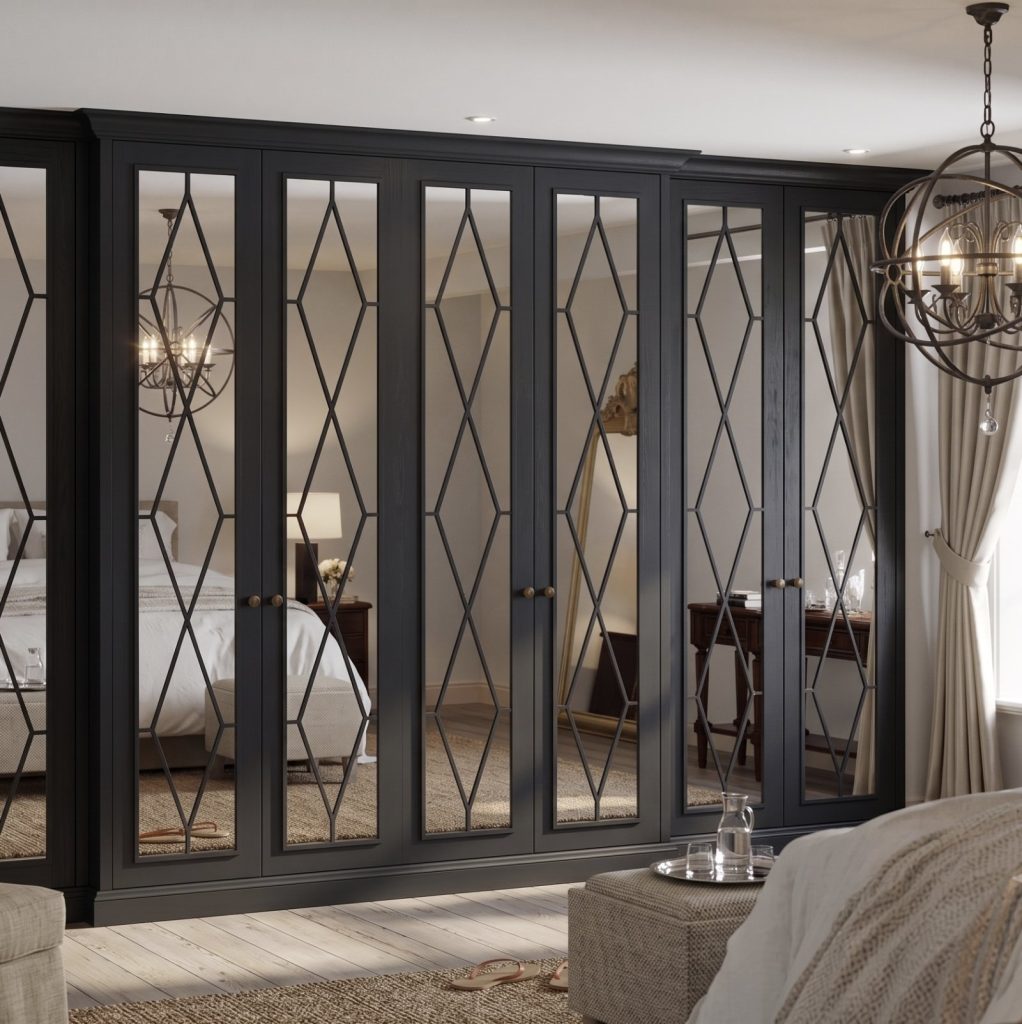
For a different effect, Mirror Fret Wardrobe Doors introduce a mirrored detail, while Flat Panel Wardrobe Doors offer a simpler, unpanelled look. Compare these styles with your chosen colour, hardware and wider interior scheme.
Whether you’re planning a complete fitted look or updating the appearance of an existing space, consider which door style best suits your design priorities. Visit Wardrobe Door Studio to explore the options or get in touch.
Shape the final look of your bedroom
Let your chosen door design become the starting point for a more individual bedroom. The right style can carry the room’s character through its furniture, lighting and finishing details, giving Shaker wardrobes a considered place within the wider interior.
Wardrobe Door Studio offers Skinny Shaker Wardrobe Doors and Classic Shaker Wardrobe Doors for distinct interpretations of panelled design. Mirror Fret Wardrobe Doors provide another option if you want a reflective detail. Consider which style best suits your plans, then take the next step towards a thoughtfully resolved bedroom.
Contact Wardrobe Door Studio today to discuss your wardrobe project and explore a design direction that feels right for your home.
Frequently Asked Questions
What is a Shaker wardrobe?
A Shaker wardrobe is identified by a framed door with a recessed centre panel and a restrained profile. Proportions can vary: a narrow frame feels more contemporary, while a broader border appears more traditional. This panel detail gives plain cabinetry definition without elaborate moulding, making the style adaptable to different bedroom schemes.
How much do Shaker wardrobes cost in the UK?
The price depends on the project and is provided after a quote request. Key factors include the wardrobe’s dimensions, internal layout, door design, finish and whether installation is included. A replacement-door project differs in scope from a complete fitted arrangement, so define what the quotation covers before comparing options. This helps you assess the specification as well as the overall price.
Which materials and finishes are available for Shaker wardrobes?
Finish options include painted surfaces and finishes that show wood grain, with colours chosen to suit the room. Wardrobe Door Studio offers hand-sprayed finishing for its wardrobe work. Consider how each finish looks beside your existing bedroom furniture and how much contrast you want between the doors and surrounding walls.
Are Shaker wardrobes available as fitted and freestanding designs?
Yes, the Shaker door style can be used for fitted or freestanding wardrobes. A freestanding piece is chosen as individual furniture, while fitted cabinetry is planned around a particular room and its dimensions. If you want a coordinated, made-to-measure arrangement, fitted wardrobes let the design respond to the bedroom rather than relying on a standalone unit.
How do you plan and measure for a fitted Shaker wardrobe?
Measure the intended area at floor level and higher up, since walls and floors may not be perfectly even. Record the planned wardrobe depth, then mark its footprint with masking tape to judge its effect on movement around the room. Include door-opening clearance in your plan, especially beside bedside tables, radiators or other furniture.