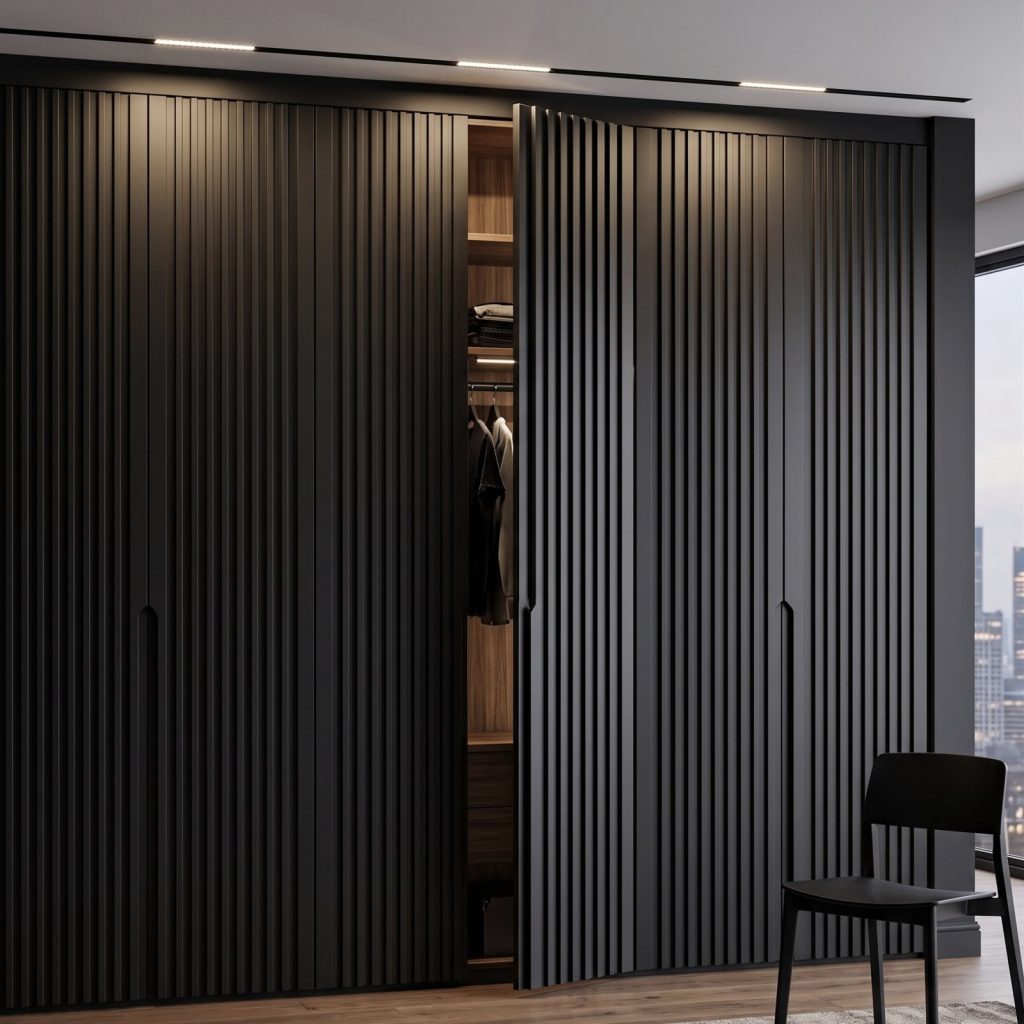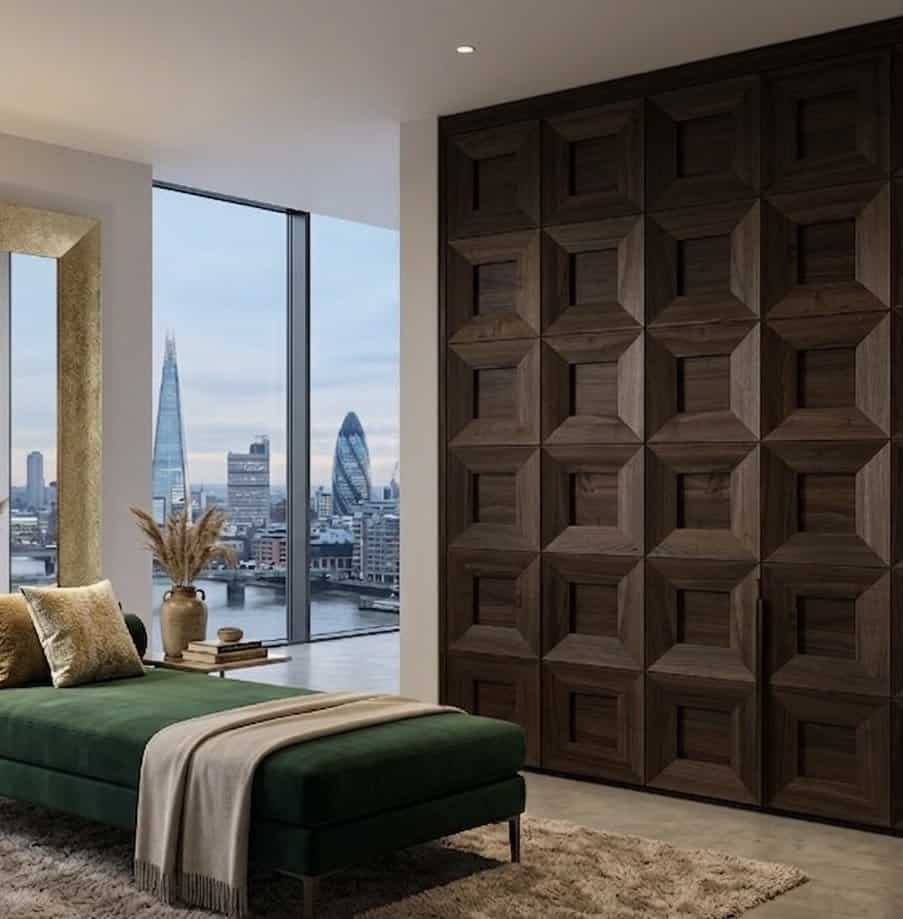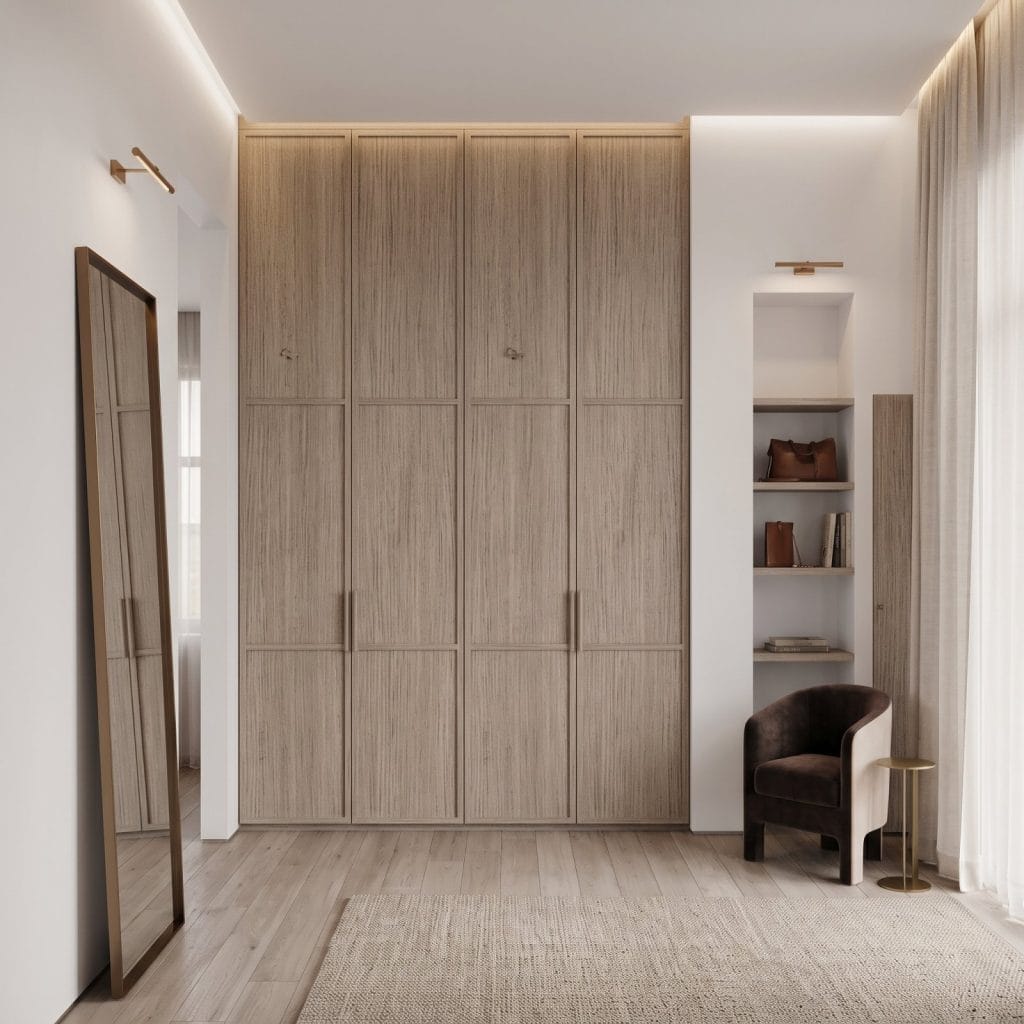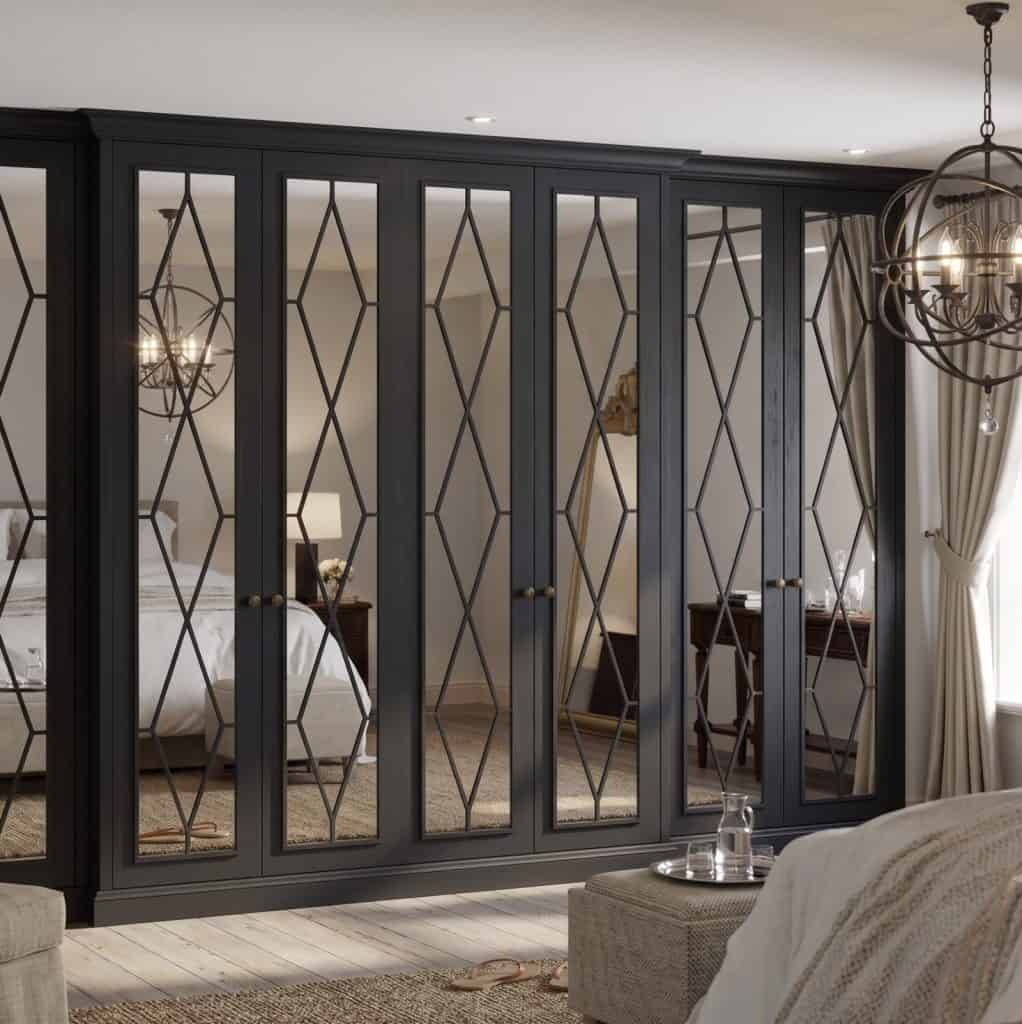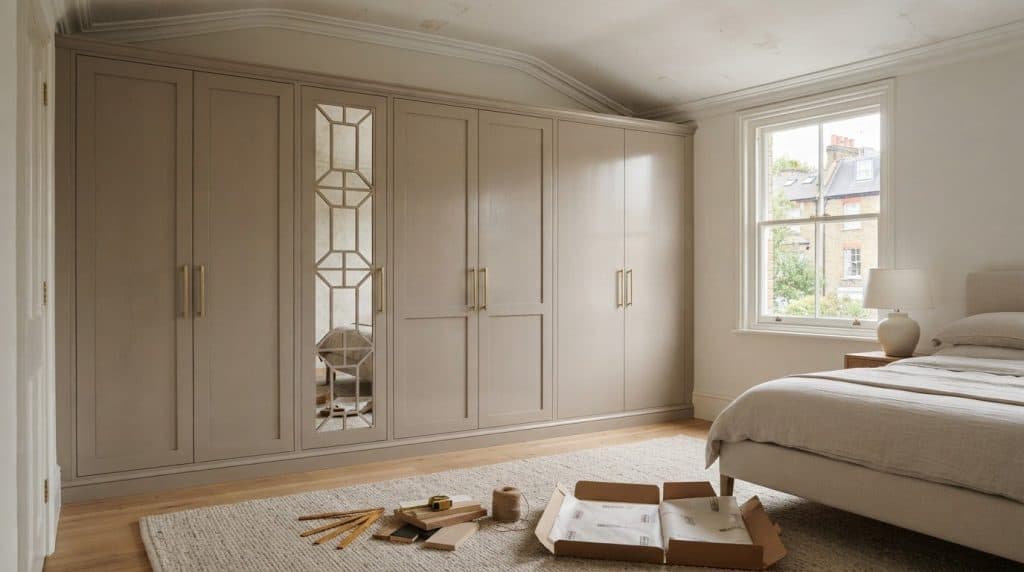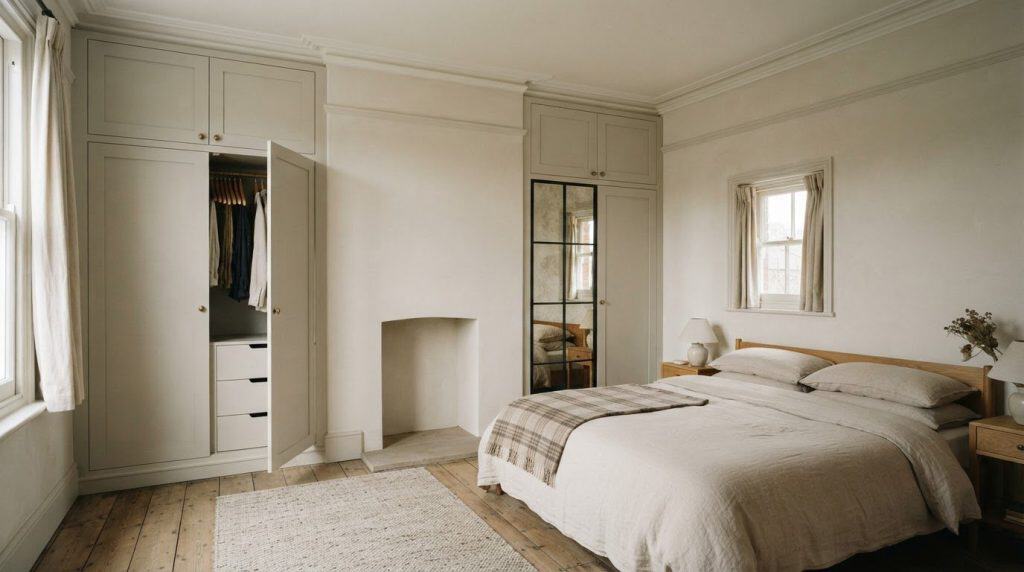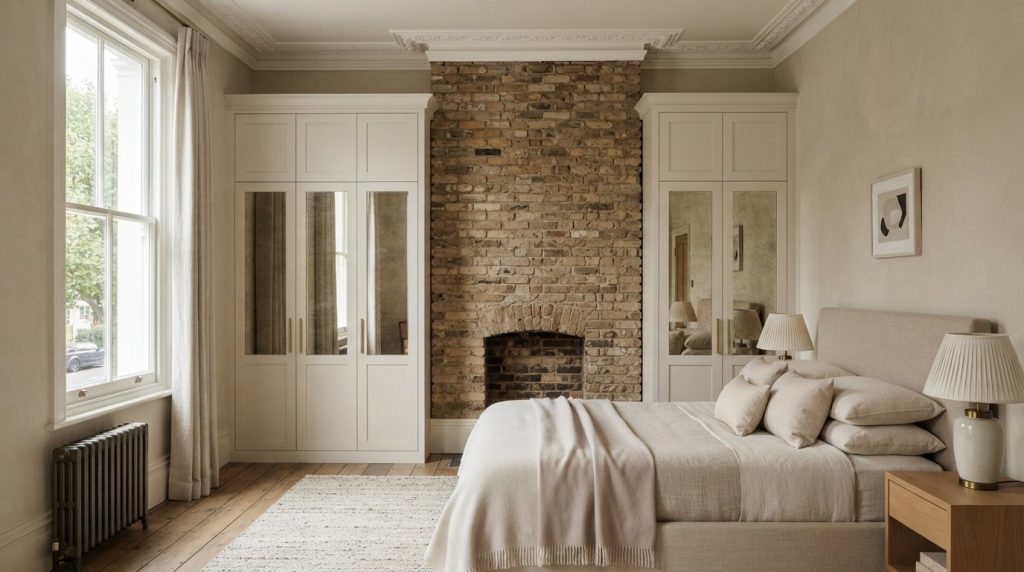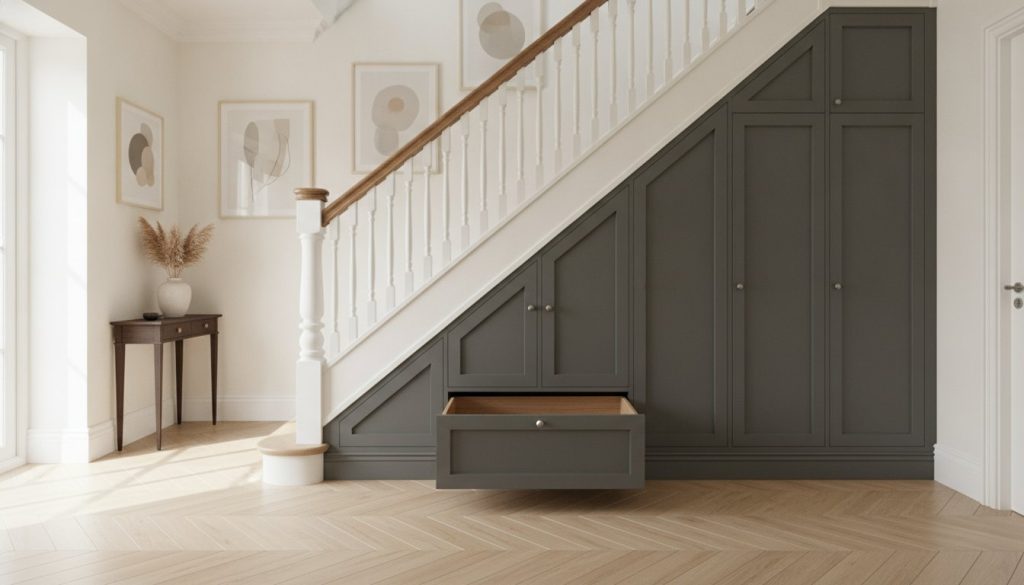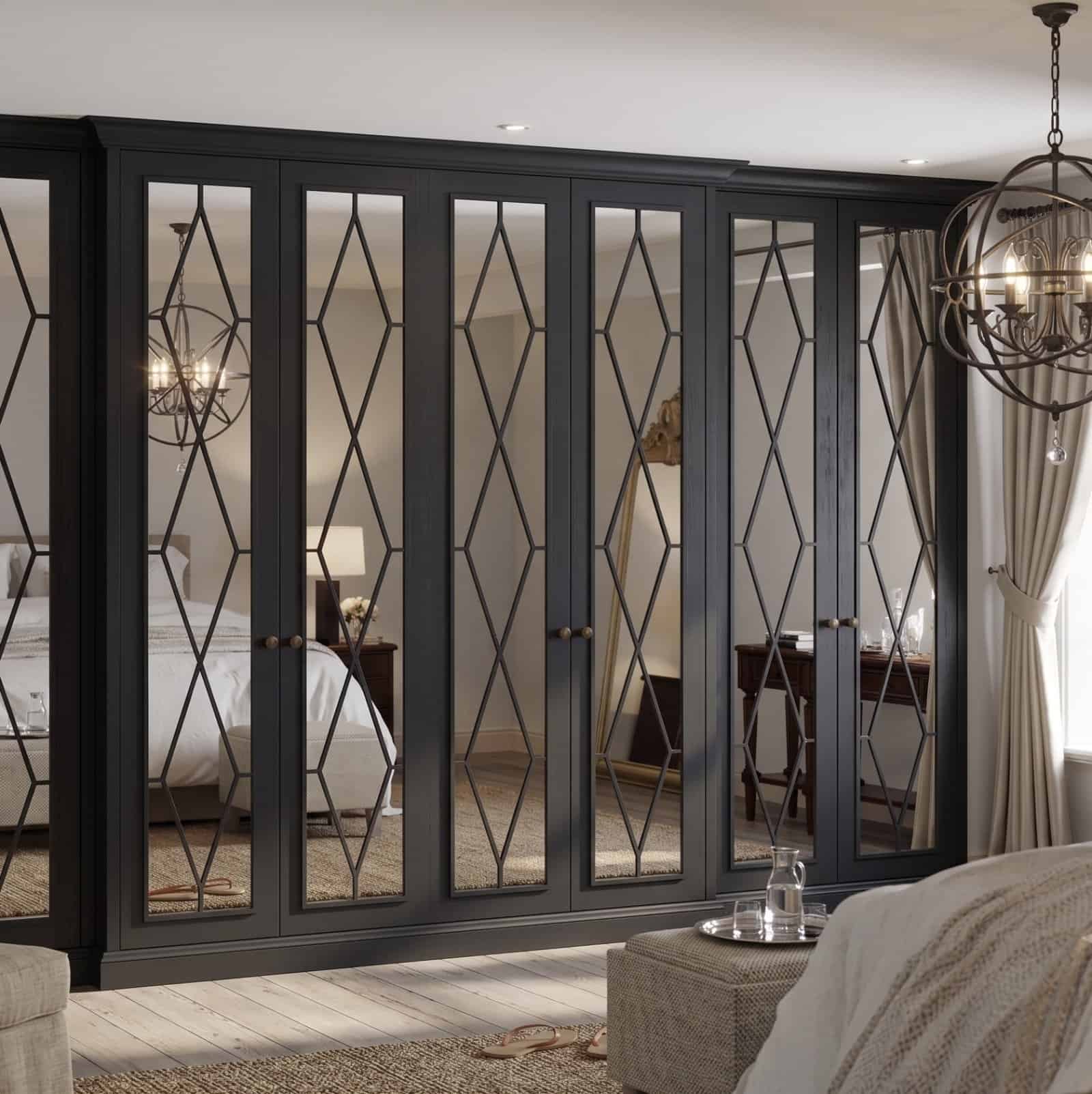
What if the clearest sign of a good wardrobe fitter isn’t an impressive portfolio, but a precise explanation of what the service includes? Finding a good wardrobe fitter means looking beyond finished photographs to understand who will measure, supply and install your wardrobe, and how each stage will be managed.
It’s understandable to feel unsure when proposals cover different work. One professional may focus on installation, while another offers design and supply as well. Accurate measurements, careful planning around uneven walls and a well-finished result all depend on agreeing the scope before work begins.
Wardrobe Door Studio offers bespoke wardrobe doors, full design and installation options, and supply-only products. The right route depends on your project. This guide explains what to check in a fitter’s experience, written proposal and working process. You’ll also find practical questions to ask about measuring, responsibilities, communication and the finish, so you can compare like with like and choose a service that suits your needs.
Key Takeaways
- Start by defining whether your project needs fitting, wardrobe supply or a more integrated service.
- When finding a good wardrobe fitter, look for evidence of work similar to your room, design and project scope.
- Compare proposals by checking which stages and responsibilities are included, not just how the service is described.
- Ask how measurements and design decisions will be checked, and who is responsible for each stage.
- Choose a professional whose documented scope and communication suit the way you want the project managed.
Finding a good wardrobe fitter starts with defining the work you need
Choosing a wardrobe fitter can be difficult when one provider offers installation and another discusses design, technical drawings or product supply. A wardrobe fitter may measure the space, prepare wardrobe components for installation or fit them, depending on the agreed scope. Before contacting anyone, decide whether you need replacement doors for existing cabinetry, new cabinetry or a complete fitted-wardrobe project.
That distinction affects who takes responsibility for measurements, design decisions and the finished installation. A door replacement may involve retaining suitable existing cabinetry, while a new wardrobe could require a broader design and fitting service. If you’re unsure how the terms relate, this overview of what is a wardrobe or closet offers useful background on the storage concept. Treat it as context, not as a guide to the specification your room requires.
Fitting-only, supply-and-fit or a complete wardrobe service?
Ask each provider to identify who surveys and measures the room, supplies the components, prepares the site and completes installation. These responsibilities may sit with one company or be divided between a supplier, designer and independent fitter. Confirm the boundaries directly, including who checks measurements and resolves discrepancies before work proceeds.
Supply-only may suit confident DIY customers or trade professionals who already have a fitter. A complete service may suit you if you want design and installation coordinated, but check which project stages are included rather than relying on a broad service label.
Write a clear brief before contacting a wardrobe fitter
A concise brief helps professionals respond to the same requirements, making proposals easier to compare. Record what’s in the room now, what you want to keep or replace, the storage you need and any access constraints you already know about. Note who will make design decisions and who must approve the proposal, especially if you’re working with a partner or on behalf of a client.
- Room and cabinetry: Describe the space and existing wardrobe components.
- Storage needs: Outline what you need to store and the types of storage you prefer.
- Access: Mention known obstacles or restrictions when bringing components into the room.
- Visual references: Share images of preferred door styles or finishes, but explain that they show direction, not confirmed dimensions or specifications.
For example, you might want new doors fitted to existing cabinetry, or a bespoke wardrobe planned and installed as one project. Wardrobe Door Studio offers made-to-measure wardrobe doors, bespoke fitted wardrobes, design and installation, and supply-only options. The appropriate route depends on your requirements, so confirm the scope of any particular service before committing. A clear brief gives you a more useful starting point for that discussion and for finding a good wardrobe fitter.
How to assess a wardrobe fitter’s experience and workmanship
A polished photograph can make a wardrobe look impressive, but it won’t show how carefully it was measured or fitted. When finding a good wardrobe fitter, look for evidence that matches your project, then examine the details that show care and precision. A fitted wardrobe in an alcove, for example, presents different challenges from replacing doors on existing cabinetry.
What to look for in a fitter’s portfolio
Ask to see completed projects with room conditions, wardrobe requirements and design choices similar to yours. Look for images of the whole installation as well as close-ups of door edges, joins and finishing. Check whether doors appear aligned and whether gaps look consistent across the run. Photographs are useful, but they’re only part of the evidence. Ask which work the fitter personally designed, supplied or installed.
If available, request references or customer feedback relating to comparable projects. A relevant account of how the work was managed may tell you more than a general compliment. Ask about communication, site conditions and the completed finish.
Questions that reveal experience and care
Good questions invite specific answers. Ask how the fitter approaches uneven walls or floors, and how any implications for the design or installation would be explained before work continues. Confirm who will carry out the installation and who you should contact with questions. Find out how changes, uncertainties or concerns will be recorded, so important decisions don’t rest on a conversation that’s easy to forget.
Use this evidence checklist when comparing providers:
- Relevant completed work: Examples that reflect your room, design and project scope.
- Workmanship details: Clear views of alignment, consistent gaps, edges and finishing.
- Defined involvement: A clear explanation of the fitter’s role in the examples shown.
- Comparable feedback: References or customer comments, where available.
- Working approach: Answers about site conditions, installation responsibilities and how changes are communicated.
Look for consistency between what you’re shown and what you’re told. If the portfolio presents complete installations but the provider is responsible only for fitting, clarify who handled design and supply. Wardrobe Door Studio offers made-to-measure wardrobe doors and bespoke fitted wardrobes, with supply-only and installation options. You can explore the wardrobe door range as one point of reference when considering styles for your project.
Compare wardrobe fitter proposals by scope, not headline promises
Descriptions such as “bespoke wardrobe service” can cover very different work. One proposal may include a site survey, design and installation; another may cover only supplying components. When finding a good wardrobe fitter, compare the documented deliverables and exclusions, rather than assuming similar-sounding service labels mean the same thing.
Are you comparing like-for-like wardrobe services?
Separate the stages in each proposal. Check who measures and surveys the space, develops the design, prepares technical drawings, supplies the wardrobe and completes installation. Clarify whether removing existing fittings or preparing the site is included, assigned to you or handled by someone else. Don’t assume coordination of other trades forms part of a wardrobe-fitting service. Ask who is responsible if another professional’s work affects the installation.
| Project stage | What to confirm in each proposal |
|---|---|
| Surveying | Who visits and measures the space, and which measurements are recorded? |
| Design | Who develops the layout and confirms the chosen configuration? |
| Technical drawings | Are drawings or another written record provided, and what do they show? |
| Supply | Who provides the wardrobe components, doors and agreed finishes? |
| Installation | Who completes the fitting, and what preparation or removal work is excluded? |
Use the same questions for every provider, then note any stage marked “not included”, “by client” or left unspecified. A headline description tells you little if responsibilities differ. If one proposal covers supply and installation while another covers supply only, the difference should be clear in the written scope.
How clear proposals reduce uncertainty
For bespoke work, ask how dimensions, door style, finish and other design choices will be documented and approved. The right record depends on the project, but it should be clear what has been agreed before manufacture or installation proceeds. Find out how revisions are handled, who confirms updated details and whether a change affects work already planned.
Unclear ownership of design decisions, measurements or unfinished work is a reason to pause and request written clarification. Ask the provider to revise or explain the proposal until you can identify who is responsible for each stage. That gives you a more reliable basis for comparing providers and deciding whether their service matches your project.

Questions to ask a wardrobe fitter before agreeing the project
A useful consultation should clarify how the project will move from the initial site assessment to installation and final checks. Ask questions in sequence and note the answers, so you can compare providers and follow up on anything that remains unclear. When finding a good wardrobe fitter, clear communication is part of assessing whether the working process suits you.
Questions about surveying, design and installation
Start with the room and the proposed work. These questions help establish what will be checked, documented and arranged before components are supplied or fitted.
- What does the site survey cover? Ask which features and conditions will be assessed, and how unexpected issues, such as uneven walls or floors, will be explained before decisions are made.
- How will measurements be checked? Find out who confirms the dimensions and how you’ll review or approve them before work progresses.
- Are technical drawings provided? If so, ask what they’re intended to confirm, such as the layout, dimensions or agreed design choices.
- What decisions need my approval? Clarify how bespoke dimensions, door style and finish will be recorded, and who gives final approval.
- How are supply and installation arranged? Confirm the sequence, who is responsible for each stage and whether any preparation or removal work sits outside the proposal.
Questions about communication and project completion
Agree one main contact for questions and progress updates, even if several people contribute to the work. Ask which communication method will be used and how changes or decisions will be recorded. Written confirmation gives everyone a reference point, particularly if the design or agreed scope changes after the initial discussion.
- How will I receive progress updates? Agree how you can raise questions during the project.
- How will changes be confirmed? Ask who records them and how you’ll approve revised details before the next stage proceeds.
- How are outstanding concerns followed up? Clarify how adjustments or unresolved issues will be listed, assigned and confirmed as addressed.
- What confirms the agreed scope? Before committing, check that the written proposal reflects the responsibilities, decisions and exclusions discussed.
Clear answers should help you understand not only what’s planned, but who is accountable at each point. If you’re still considering door styles for your project, explore bespoke wardrobe door options from Wardrobe Door Studio.
Choose the wardrobe fitter whose service fits your project
The right choice depends on the work your room needs, not simply on who offers the broadest service. A fitting-only professional may suit you if the wardrobe has already been designed and supplied. Supply-only can work for confident DIY customers or trade professionals who have their own installer. If you want design, supply and installation managed as a more integrated project, look for a provider that offers those stages and confirms what’s included.
When finding a good wardrobe fitter, bring the checks together: match the proposed scope to your brief, review evidence of comparable workmanship, compare responsibilities in writing and make sure there’s a clear plan for communication. The right service may cover replacement doors for suitable existing cabinetry, new cabinetry or a complete fitted-wardrobe project. No single package is right for every room.
A final checklist before appointing a wardrobe fitter
Before you commit, read the proposal against your requirements and resolve any gaps. Check that the agreed work and products are documented, and that the people responsible for decisions and follow-up are identifiable.
- Scope: Is it clear whether the project covers doors, cabinetry or a fuller design service?
- Products and measurements: Are the agreed components, dimensions and design choices recorded for approval?
- Responsibilities: Does the proposal state who handles each agreed stage, including supply and installation where applicable?
- Questions and revisions: Is there a named contact, and is it clear how changes or site-specific uncertainties will be recorded and resolved?
If any answer is uncertain, ask for written clarification before proceeding. This gives you a firmer basis for understanding the proposed service and reduces the risk of different expectations once the project is under way.
Explore the right wardrobe solution for your brief
Wardrobe Door Studio offers bespoke wardrobe doors, bespoke fitted wardrobes, and design-and-installation and supply-only options. Its range includes Skinny Shaker, Mirror Fret, Classic Shaker and Flat Panel designs. The right choice depends on your brief, existing cabinetry and the scope you want a provider to handle.
Explore the bespoke wardrobe door range as you consider the look and service your project calls for. Before proceeding, confirm directly which project stages a particular service includes and whether installation is available for your project.
Make your next wardrobe decision with confidence
Finding a good wardrobe fitter starts with knowing what your project requires. Match the service to the work, look for evidence of relevant workmanship and compare written responsibilities before you commit. A clear contact and a shared record of decisions can also help keep the process straightforward from first discussion to installation.
Wardrobe Door Studio offers bespoke wardrobe doors and full design-and-installation options, as well as supply-only choices for DIY customers and trade clients. Its wardrobe doors are hand-sprayed in England. The right option depends on your brief, so confirm which stages are included in the service you’re considering.
Explore bespoke wardrobe doors and services, and take the next step with a clearer sense of what your project needs. With the scope and responsibilities agreed, you can move forward with confidence.
Frequently Asked Questions
How do I find a good wardrobe fitter?
Start by identifying the work you need, then compare professionals whose experience and service scope match it. Review examples of similar projects, check how responsibilities are documented and ask how measurements, design decisions and changes are confirmed. Finding a good wardrobe fitter is less about choosing the broadest promise and more about finding clear evidence, relevant experience and a working process that suits your project.
What should I ask a wardrobe fitter before hiring them?
Ask who measures the room, who supplies the wardrobe components and who carries out installation. Find out how the fitter checks dimensions, handles unexpected site conditions and confirms design choices before work progresses. Also ask who your main contact will be, how updates and changes are recorded, and what the proposal excludes. Clear answers help you understand what you’re agreeing to and where you may need to arrange other work.
Should I choose a fitter who supplies the wardrobe as well?
Choose a combined supply-and-fitting service if you want one provider to handle both stages, but confirm exactly what that includes. A separate supplier and fitter may suit you if you already have a trusted installer or want to manage the stages yourself. Compare responsibilities, not just convenience: establish who checks measurements, confirms the product details and addresses any mismatch between the supplied components and the space.
How can I check the quality of a wardrobe fitter’s work?
Ask to see completed projects similar to yours, ideally with views of the full installation and close-ups of the finishing. Look for doors that appear aligned, consistent gaps and clean joins. Ask which parts of each project the fitter personally completed, and request relevant customer feedback or references where available. Photographs are useful evidence, but combine them with specific questions about the work and the process behind it.
What should a wardrobe fitting proposal include?
A clear proposal should describe the agreed work and identify who is responsible for surveying, design, technical drawings, supply and installation, as applicable. It should record relevant product choices, dimensions and finishes, along with exclusions such as preparation or removal work if those are not included. Check that approval points, revisions and the process for recording changes are explained. Ask for unclear responsibilities to be clarified in writing before agreeing.
Can I buy bespoke wardrobe doors and arrange fitting separately?
Yes. Supply-only bespoke doors can suit DIY customers and trade clients who have their own fitter. Wardrobe Door Studio offers supply-only options for trade clients. Before ordering, confirm how dimensions and product choices should be specified, who checks the measurements and whether your chosen fitter is comfortable installing the doors. The studio also offers professional installation, so confirm the scope of the relevant service directly.
How do I know whether I need a wardrobe fitter or a full design service?
A fitter may be suitable if the design and components are already selected and you need installation. Consider a fuller design service if you need help planning a new wardrobe, making decisions about the layout or coordinating design with installation. If you only need bespoke doors and have a fitter, supply-only may be appropriate. Compare what each provider includes, then choose the scope that matches your project and the decisions you need support with.