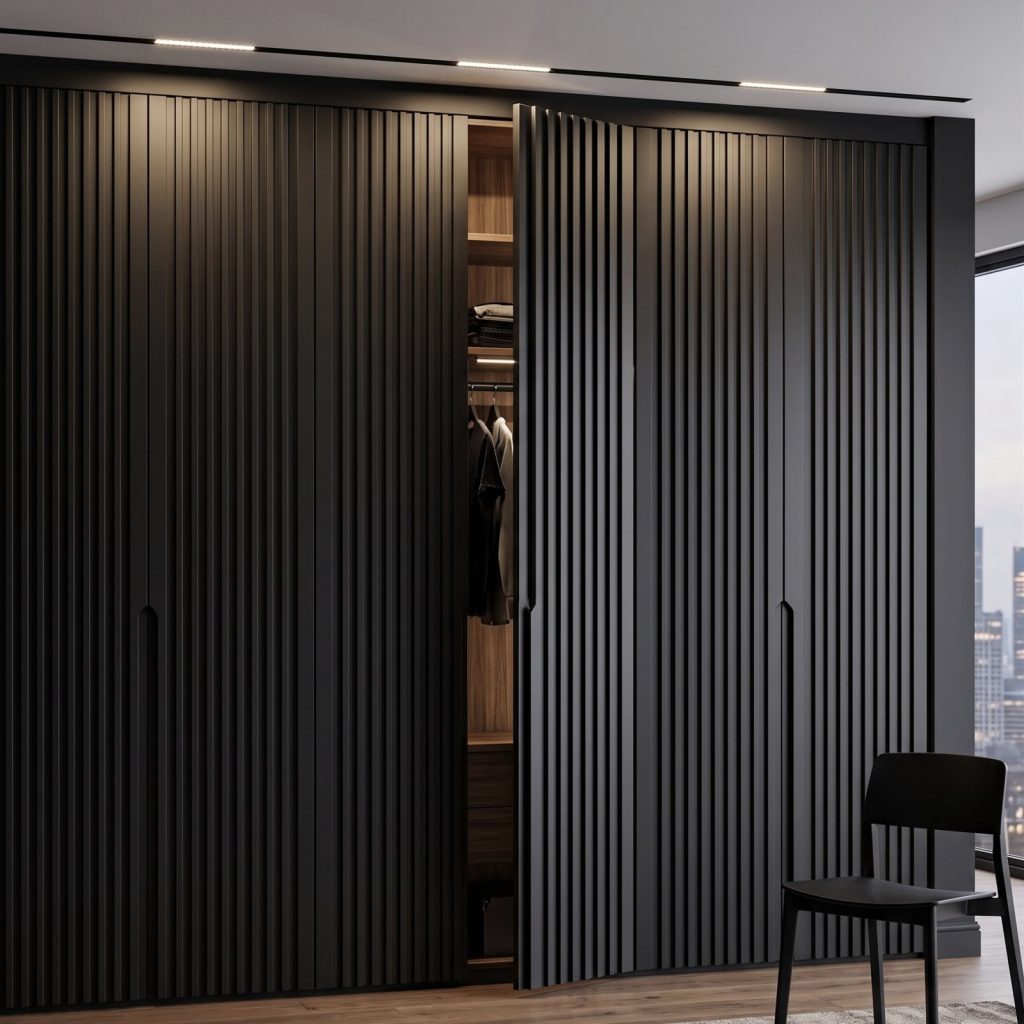
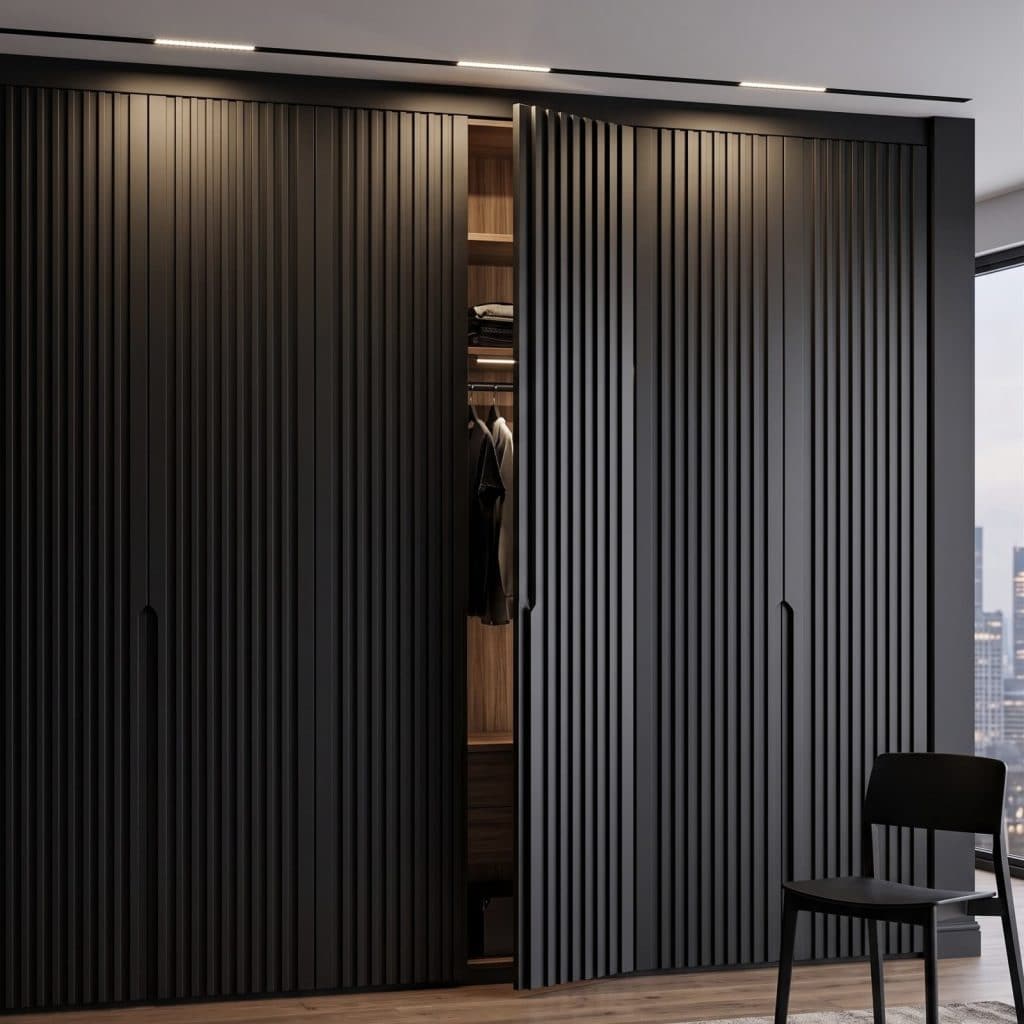
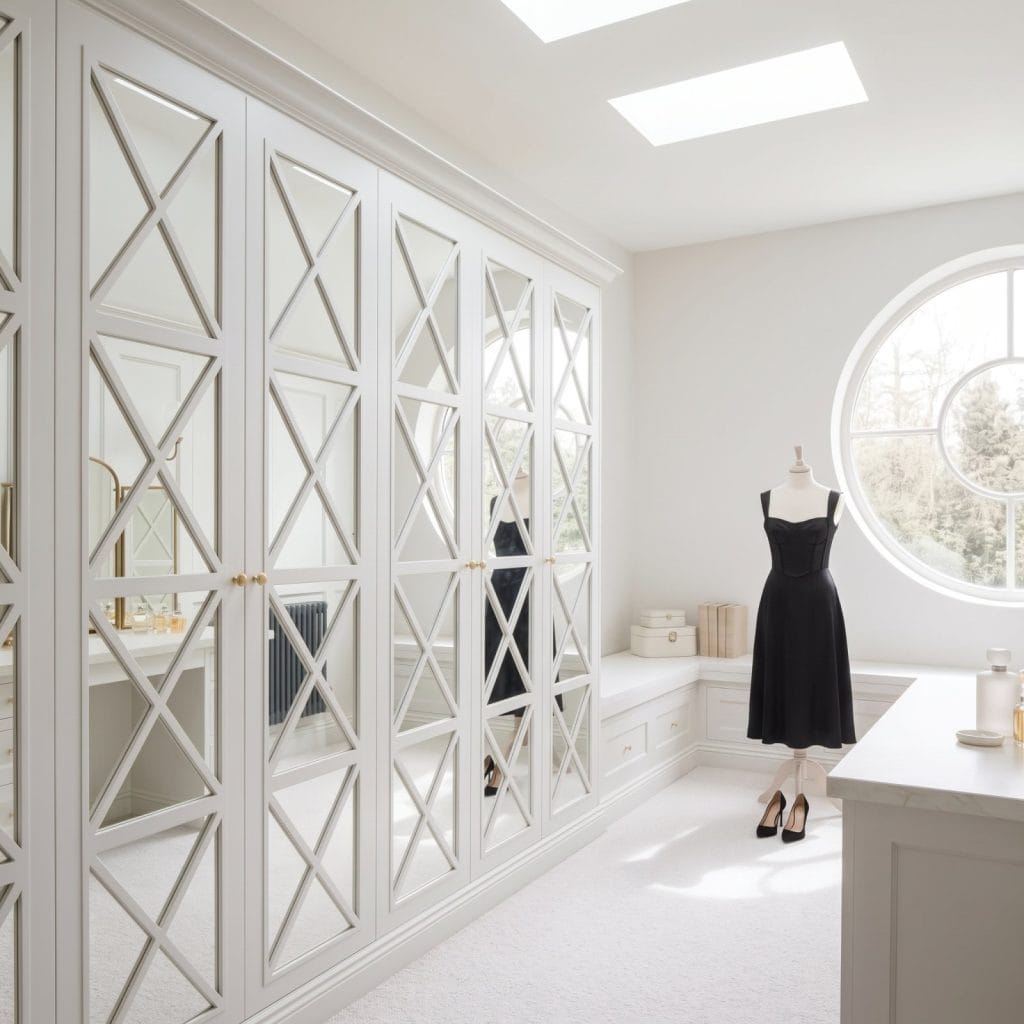
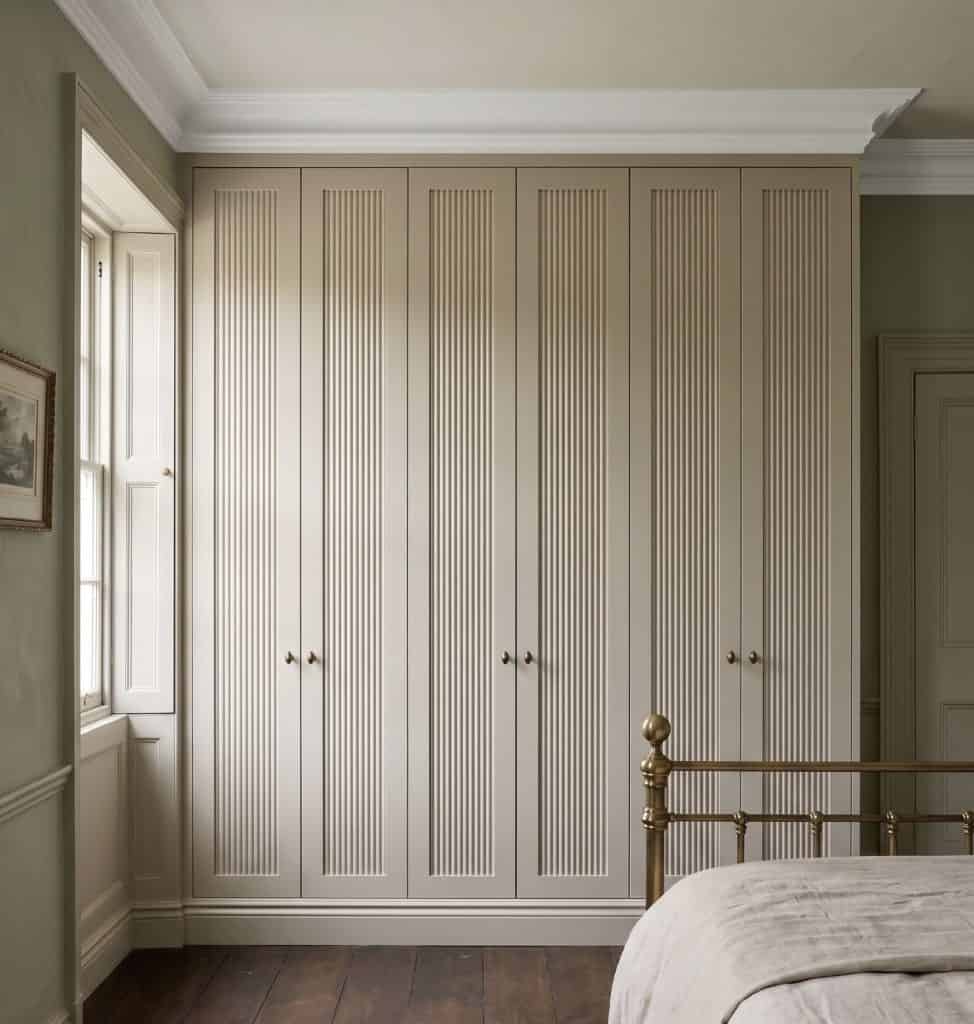
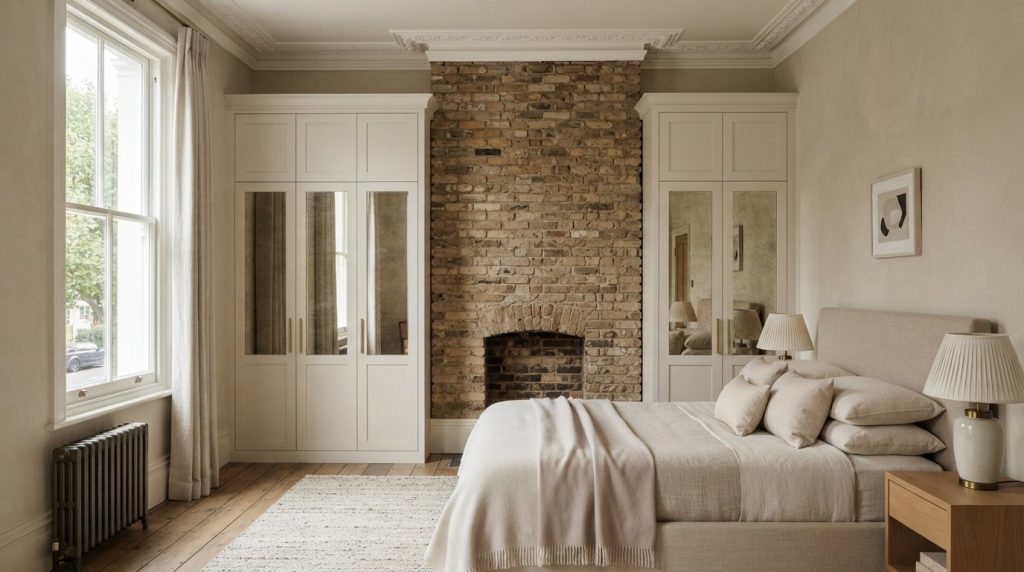
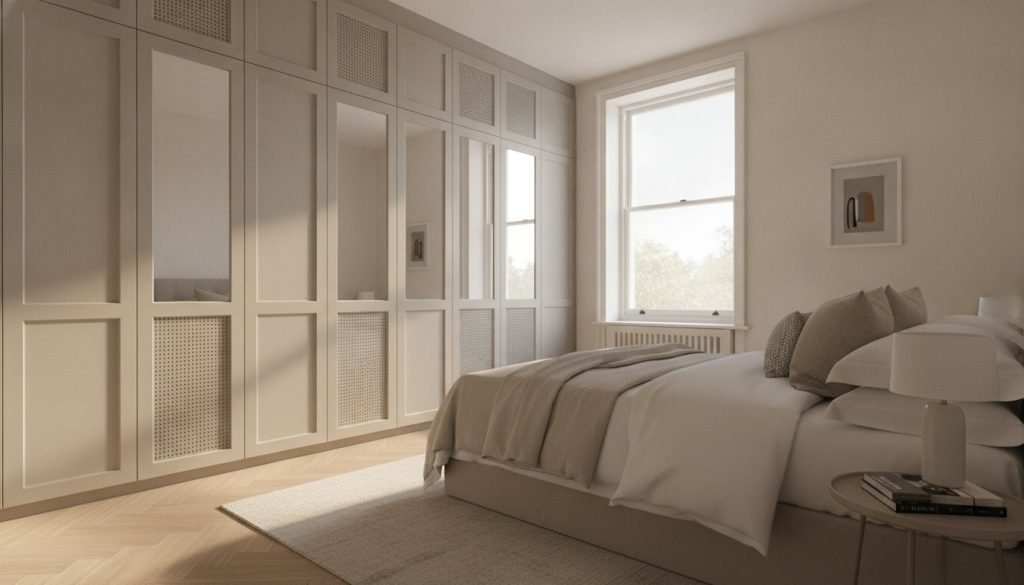
What if the panel count matters less than the proportions of the door? Four panel shaker wardrobe doors can create a more structured look, but the name alone doesn’t tell you how the panels are arranged. If you’re replacing existing doors or planning a new wardrobe, check how the design will sit across the full door and whether its proportions suit the room.
This guide explains how to assess the four-panel Shaker look, what to check before ordering and how to decide between supply-only doors and a design-and-installation service. Review images or technical drawings to confirm the intended layout rather than relying on the panel count. Wardrobe Door Studio offers bespoke classic Shaker doors, with supply-only and professional installation options. You can discuss your preferred configuration as part of an enquiry, then confirm what can be specified for your project.
Key Takeaways
- “Four panel” can describe different layouts, so confirm the intended arrangement using imagery or technical drawings.
- Assess four panel shaker wardrobe doors across the full wardrobe elevation to judge how the design will read in your room.
- Compare Shaker, flat-panel and mirrored styles to decide which visual character suits your interior.
- Before ordering, clarify door quantities, opening method, finish and who will measure and check the existing wardrobe.
- Explore the wardrobe project portfolio, then consider whether supply-only doors or professional installation suits your project.
What Do Four Panel Shaker Wardrobe Doors Look Like?
Shaker design is recognised by its restrained, framed appearance, which feels considered rather than ornate. The style takes its name from Shaker furniture, a distinctive style of furniture associated with simplicity and functional design. The name alone doesn’t explain how a particular wardrobe door is constructed. Frame details, materials and finishes can vary, so check the supplier’s product information rather than assuming a particular build.
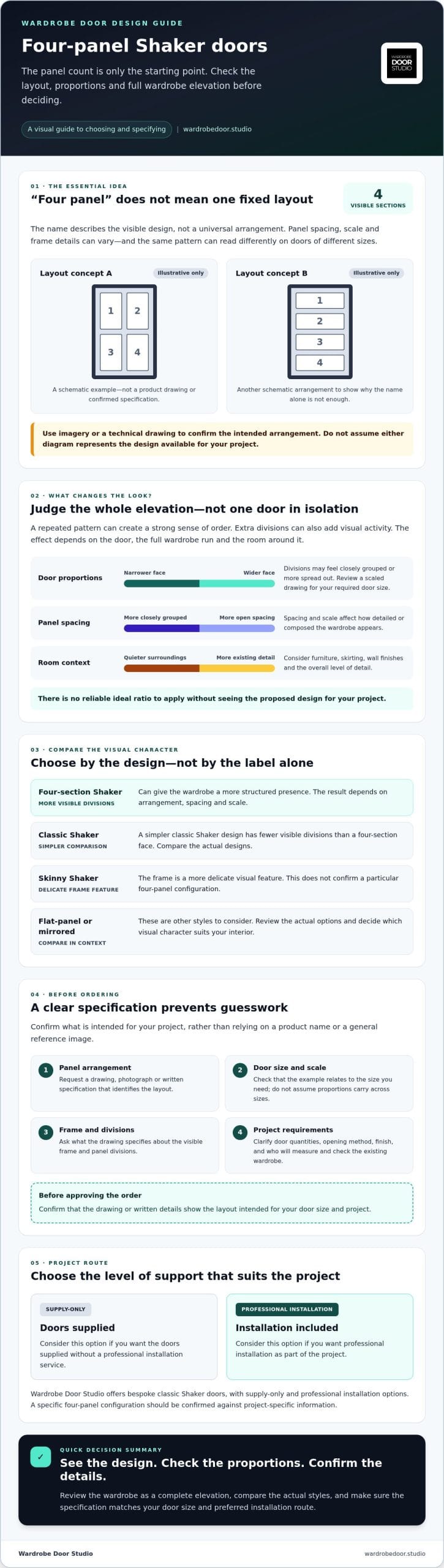
“Four panel” describes the visible design, not one universal layout. The four sections may be arranged in different ways, and their proportions can change with the door’s size. Treat the term as a starting point for discussing the look, not as a complete specification.
How does a four-panel Shaker design differ visually?
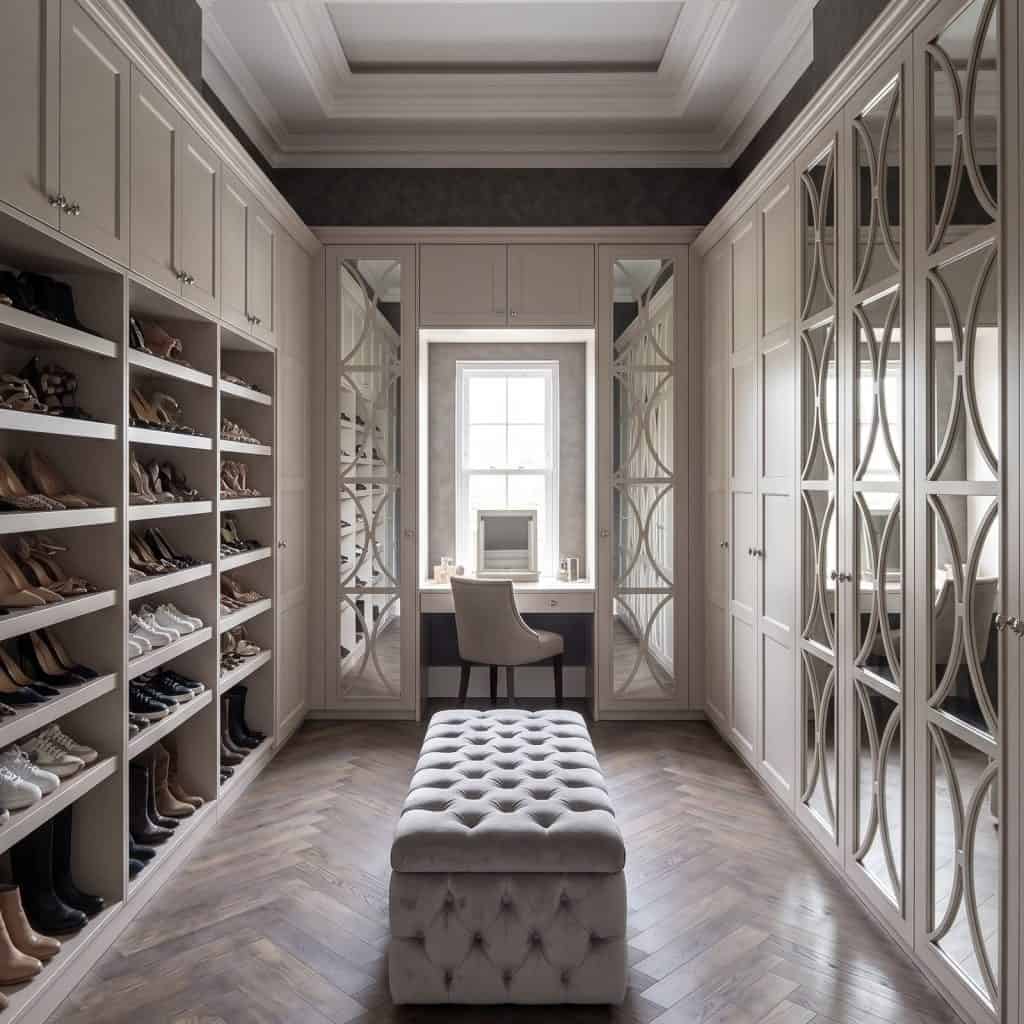
Dividing a door face into several sections creates more visible lines than a simpler design. Depending on the arrangement, those lines can give the door a more formal, structured appearance, while the restrained Shaker style can keep the overall effect composed. The result depends on the spacing and scale of the sections, not just their number.
Look at the design across the full wardrobe elevation. A pattern that appears balanced on one door may read differently across a run of doors or beside other features in the room. Don’t assume a standard layout from the product name alone.
What should buyers confirm about the panel layout?
Before choosing four panel shaker wardrobe doors, establish exactly what “four panel” means for the design. Ask how the sections are arranged and check whether the illustration or drawing shows the layout intended for your door size. A reference image can communicate the style, but may not show how the design will be proportioned for your project.
- Request a clear reference: Review a drawing, photograph or written specification that identifies the panel arrangement.
- Check the scale: Confirm that the example relates to the door size you need. Don’t assume its proportions will be used across different sizes.
- Confirm the details: Ask what the drawing specifies about the visible frame and panel divisions, and whether those details are confirmed for your order.
Wardrobe Door Studio offers bespoke classic Shaker doors, but this doesn’t confirm that a particular four-panel configuration is available. Discuss the appearance you want and confirm the layout against project-specific information before approving an order. A clear reference helps you distinguish a general style description from a precise specification.
How Proportion and Room Style Shape Four Panel Shaker Doors
A panel design has no fixed visual effect outside its setting. The height and width of each door affect the space available for the sections, while the spacing between divisions changes how detailed the wardrobe appears. A pattern that feels composed on one door may look crowded or stretched on another. There’s no reliable ideal ratio to apply without seeing the proposed design for your project.
Judge the doors as part of the complete wardrobe elevation, not as isolated samples. Consider the number of doors, the width of the whole run and nearby furniture. Repeating a pattern can create a strong sense of order, while extra divisions may add visual activity to a room that already has prominent detailing. Shaker’s clean lines and functional restraint can help the wardrobe sit comfortably within a considered interior.
Does a four-panel layout suit narrow and wide doors?
The same pattern can look different on narrow and wide doors. On a narrower face, the divisions may feel closely grouped; across a wider face, they may appear more spread out. These are visual considerations, not rules about what will work. Ask to review a scaled drawing for the required door size, and confirm any changes to the layout with the designer or supplier before approval.
How can the design sit alongside other Shaker styles?
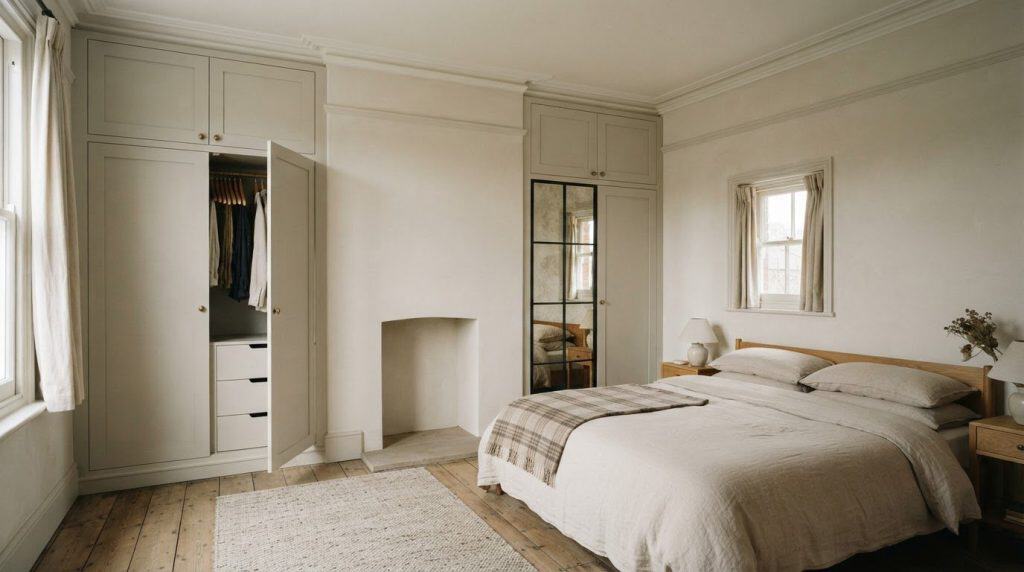
Compared with a simpler classic Shaker design, a four-section face introduces more visible divisions and can give the wardrobe a more structured presence. A Skinny Shaker style makes the frame a more delicate visual feature. Wardrobe Door Studio offers classic and Skinny Shaker wardrobe doors, but that doesn’t confirm a particular four-panel configuration. Compare the actual designs before deciding which suits the room.
Look beyond the door sample. Consider existing furniture, skirting, wall finishes and the overall level of detail in the room. A more divided design may complement considered, traditional detailing, while a simpler door may sit more quietly in a restrained interior. Neither is automatically the better choice. Aim for a wardrobe elevation that feels balanced in its setting.
Review the available wardrobe door styles as a starting point, then discuss your preferred appearance and door proportions as part of a bespoke enquiry. Confirm which details can be specified for your project instead of relying on a general reference image.
Four Panel Shaker Wardrobe Doors Compared with Other Options
Panel count is only one part of the decision. Compare the amount of visual detail each style introduces, how it relates to the room and whether the design can be confirmed for your wardrobe. The descriptions below are broad style guides, not guarantees of a specific construction or configuration. Check materials, construction, finishes and availability with the supplier before choosing.
| Door look | Visual character | Design complexity | May suit |
|---|---|---|---|
| Four-panel Shaker | A more divided, structured face, with the precise effect depending on the panel layout. | More visible divisions than a simpler face; confirm the exact arrangement. | Interiors where the wardrobe is intended to contribute noticeable detail. |
| Classic Shaker | A framed look with a more restrained overall impression. | Generally fewer visible divisions than the four-panel style described here, though confirm the actual design. | Rooms that benefit from a familiar, balanced framed appearance. |
| Flat-panel | A plain, uninterrupted face with minimal visual detail. | Visually simple, with less emphasis on panel divisions. | Interiors where a quieter, streamlined wardrobe is preferred. |
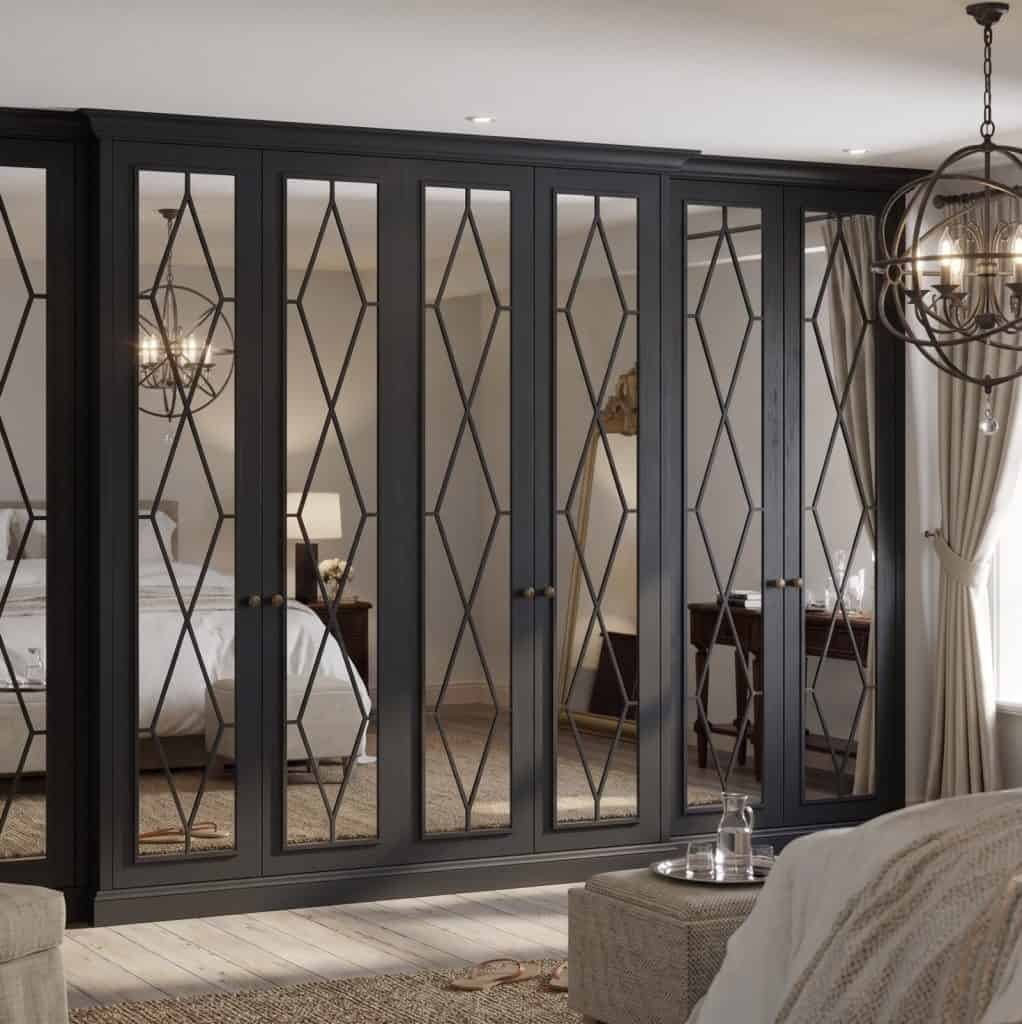
| Mirrored | A reflective surface that differs from framed or flat painted-door looks. | Depends on the specific design; check the door specification. | Buyers who want a mirrored appearance as part of the room scheme. |
When might a four-panel Shaker look be the right choice?
Consider this look if you want stronger visual definition than a simpler door face. Its divisions may echo nearby furniture or architectural details, or create a deliberate focal point against quieter surroundings. Preference is personal: one buyer may find the design characterful, while another may feel it looks too busy.
Before deciding, view the proposed doors across the full wardrobe elevation. Consider the surrounding furniture, wall treatments and how much detail is already present. Ask for the intended layout to be confirmed for your project rather than assuming a generic example will translate directly.
When should buyers consider another wardrobe-door style?
If you prefer fewer visible divisions, compare a classic Shaker or flat-panel look. A mirrored style offers a different visual quality. These are broad categories, not confirmed four-panel variants. Wardrobe Door Studio offers classic Shaker and flat-panel wardrobe doors. Ask about the design that suits your project rather than assuming a particular configuration is available.
If you’re replacing doors on an existing wardrobe, the condition and dimensions of its frame may influence your decision as much as appearance. Read the made-to-measure replacement door guide for further considerations. You can also explore the wardrobe door styles available to discuss, then confirm which details can be specified for your project.
What to Check Before Ordering Four Panel Shaker Wardrobe Doors
A clear brief helps reduce uncertainty, particularly when replacing doors on an existing wardrobe. Confirm the proposed panel layout and work through the practical details below. Don’t assume every opening or door is identical, or that an example design automatically matches your wardrobe.
Which measurements and existing-frame details matter?
Record each opening separately and note any differences across the wardrobe. Identify the existing hinges and hardware, along with nearby features that could affect how a door opens or fits. Confirm who will take and check the measurements, and who is responsible for assessing the existing wardrobe’s condition. If anything is unclear, ask for it to be reviewed before the order is confirmed.
- Measure each opening: Label the measurements by position instead of relying on one figure for the whole wardrobe.
- Count the doors: Confirm the quantity and which opening each door is intended for.
- Describe the opening method: Note how the current doors open and identify any hinges or hardware that may need consideration.
- Confirm the design: Check the panel arrangement against project-specific information, including whether it applies to the required door size.
- Agree the finish: Confirm the finish and colour you’re requesting, and whether they’re available for the design. Wardrobe Door Studio hand-sprays its doors in England, but check the specific options for your project.
Should you choose supply-only or professional installation?
Supply-only can suit DIY customers who plan to fit the doors themselves, as well as trade clients arranging their own support. Professional installation is another option. Wardrobe Door Studio offers bespoke wardrobe doors, professional installation and design services. Before proceeding, ask what each route includes and confirm who is responsible for measuring, checking the existing frame and coordinating the work. Don’t assume a particular survey or drawing is included unless it’s confirmed for your project.
For finish considerations, consult a guide to hand-sprayed wardrobe finishing. Confirm the finish details and compatibility before placing an order.
Choose the service route that matches your role in the project, then explore wardrobe door options to inform a bespoke enquiry. A clear specification makes it easier to discuss the design, fit and responsibilities.
How to Explore a Bespoke Shaker Wardrobe-Door Project
A considered enquiry starts with a clear design idea, then checks whether it suits the wardrobe and how the project will be supplied or installed. Four-panel Shaker doors are a design preference to discuss, not a confirmed standard configuration from Wardrobe Door Studio. Share the look you have in mind and ask for the arrangement and suitability to be confirmed for your project.
Explore the wardrobe project portfolio for examples of the studio’s work. Use the images to describe details you like, but don’t assume every project shows the exact four-panel layout you’re considering.
What information should you prepare for an enquiry?
A concise project brief gives the discussion a useful starting point. Include the type of project, approximate door requirements and design references that communicate your preferred appearance. If you have measurements or details about an existing wardrobe frame, share them for review, but confirm who will verify fit and dimensions before an order proceeds.
Be clear about the service route you’re considering. Homeowners planning a broader wardrobe project can ask about design and professional installation. DIY customers and trade clients can enquire about supply-only doors. House developers, interior designers and architects can also ask about trade account registration. Clarify whether you need doors only or wider project support, and confirm what is included before proceeding.
- Project type: A replacement-door enquiry or a new wardrobe project.
- Design direction: Shaker style, preferred panel arrangement and useful references.
- Requirements: Approximate door quantity and any available measurements or frame information.
- Service route: Supply-only or a discussion about design and professional installation.
What is the next step for a homeowner or trade buyer?
Homeowners planning a complete project can ask about the available design and installation route, and clarify what support it involves. If you’re arranging your own fitting, supply-only may be the relevant option to explore. Trade buyers can review trade account registration and enquire about options for their professional project.
Before confirming an order, establish who is responsible for checking the design, measurements and existing wardrobe conditions. Make sure the proposed configuration is clearly understood. Browse the wardrobe door shop and discuss your preferred style and project requirements with Wardrobe Door Studio.
Make Your Wardrobe-Door Enquiry with Confidence
The right choice depends on more than panel count. Consider how four panel shaker wardrobe doors will look across the full wardrobe, then confirm the intended layout for your door size rather than relying on a generic example. Before ordering, check measurements, existing-frame details, opening method and finish, and clarify who is responsible for verifying fit.
Wardrobe Door Studio offers bespoke wardrobe-door supply and professional installation, with supply-only options for DIY customers and trade clients. Its doors are hand-sprayed in England. A specific four-panel configuration isn’t confirmed as a standard offering, so describe the look you’re seeking and ask what can be specified for your project.
Whether you’re planning a complete wardrobe or replacing existing doors, a clear brief is a useful starting point. Discuss your bespoke wardrobe-door project with Wardrobe Door Studio to take the next step towards a design that suits your space.
Frequently Asked Questions
What are four panel Shaker wardrobe doors?
They’re wardrobe doors described by a Shaker-inspired look and a face divided into four visible sections. “Four panel” doesn’t define one universal layout, so the sections may be arranged differently depending on the design. The term also doesn’t confirm a particular construction. Check project-specific drawings or product information to understand the exact arrangement, materials and details before treating a reference image as a specification.
Are four panel Shaker wardrobe doors available in made-to-measure sizes?
Wardrobe Door Studio offers bespoke wardrobe doors, including classic Shaker doors, and its product information refers to custom-sized doors. However, that doesn’t confirm that a four-panel configuration is available in every size or that this exact arrangement is a current offering. Ask about your required door sizes and request confirmation of the intended layout and specification before proceeding with an enquiry or order.
Will a four-panel Shaker design suit narrow wardrobe doors?
It may, but the appearance depends on how the panel divisions are scaled to the door. A layout that looks balanced on a wider door could feel crowded on a narrower one. Don’t rely on a generic product image to judge the result. Ask to review a drawing or design reference for your required door size, and confirm any suggested layout adjustments with the supplier.
Can I replace existing wardrobe doors with four panel Shaker doors?
Replacement may be possible, but don’t assume new doors will fit an existing wardrobe without checks. Record each opening and note variations, the current opening method, hinges and other hardware, as well as the condition of the frame. Confirm who will verify measurements and compatibility before placing an order. Wardrobe Door Studio offers bespoke replacement doors, but the four-panel configuration must be confirmed for your project.
Should I choose supply-only doors or professional installation?
Choose supply-only if you plan to fit the doors yourself or arrange your own trade support. Wardrobe Door Studio also offers professional installation, alongside a design-and-installation route that includes an initial design consultation, site survey and technical drawings. Confirm what applies to your project, who will check measurements and existing conditions, and what each service route includes before confirming an order.
What finish can I choose for Shaker wardrobe doors?
Wardrobe Door Studio hand-sprays its doors in England, but confirm the specific finish and colour options for the design you’re considering. Ask which finishes are available for your chosen door and whether your preferred colour can be specified. Don’t assume a finish shown in a reference image is available for every configuration. Confirm the final selection as part of your project enquiry.
What should I check before ordering four panel wardrobe doors?
Confirm the panel arrangement against a drawing or clear specification, then check door measurements, quantity, opening method, existing hinges and frame condition. Agree the requested finish and clarify who is responsible for measuring and verifying compatibility. Decide whether you need supply-only doors or professional installation, and confirm what that route includes. These checks help ensure the design and practical requirements are understood before you proceed.