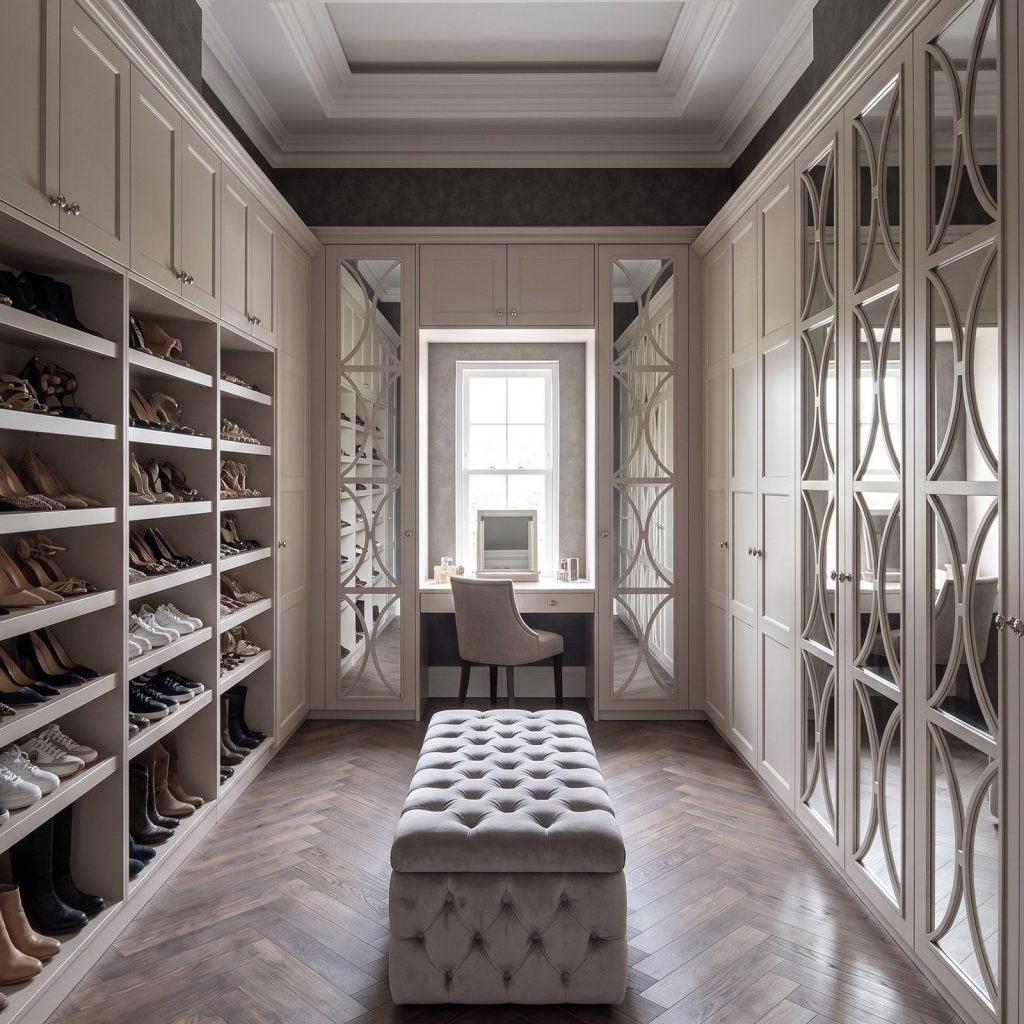
A matt wardrobe can be marked by the very cleaning routine meant to protect it. Knowing how to care for matt finish wardrobes starts with a soft, dry microfibre cloth for dust and light marks. Use a mild cleaner only after testing it on a hidden area, and avoid abrasive pads, bleach, harsh solvents, wax and polish. Wipe handles and door edges regularly, where hands make the most contact.
It’s understandable to want everyday fingerprints and smudges gone without changing the finish’s understated appearance. The safest approach is gentle wiping and prompt attention to spills, rather than scrubbing or reaching for a strong household product. This guide explains how to dust and clean matt wardrobe doors, tackle marks carefully and avoid products that may affect the surface, keeping regular care simple and considered.
Key Takeaways
- Lift dust and light marks with a soft, dry microfibre cloth, using gentle forward-and-back strokes rather than circular rubbing.
- Keep abrasive pads, bleach-based sprays, harsh solvents, wax and polish away from matt finishes, as they can mark or change their appearance.
- Wipe handles and door edges weekly, and deal with spills promptly to prevent marks from settling.
- Some modern matt wardrobe laminates are tested for anti-fingerprint and antibacterial performance against ISO 22196, according to the International Organization for Standardization.
Avoiding solvents, abrasives and wax-based products
In the UK, use water and a mild, neutral detergent with a soft cloth. Test any cleaning product on a hidden area first, and follow these steps to protect the surface’s matt appearance.
-
Identify products and materials to avoid
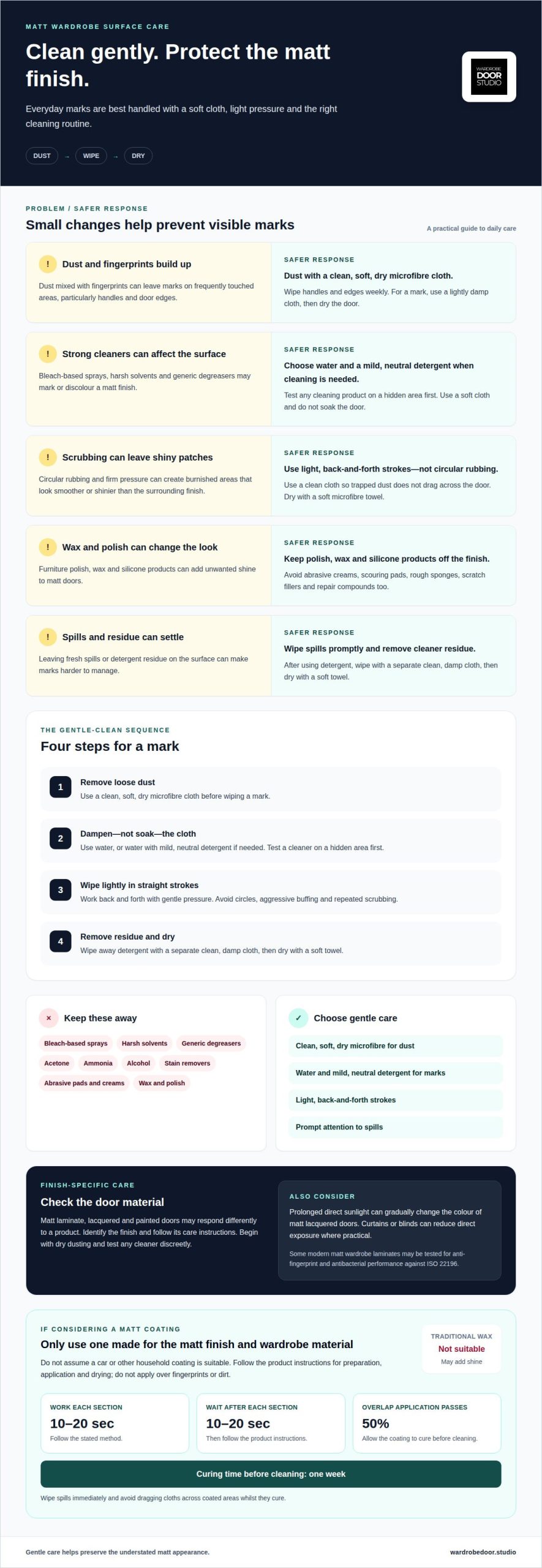
Read the label before applying a cleaning product to a matt wardrobe surface. Keep bleach-based sprays, harsh solvents and generic degreasers away from the finish. Acetone, ammonia, alcohol and stain removers can leave marks or discolouration. Avoid abrasive creams, scouring pads and rough sponges too. A product intended for another household surface may not be suitable, so choose a mild cleaner and test it discreetly.
-
Avoid polish, wax, fillers and force
Avoid furniture polish, wax and silicone products on matt doors. They can create unwanted shine and change the intended appearance. Don’t use scratch fillers or repair compounds as a quick fix; an uneven application may stand out against the surrounding finish. Resist pressing hard to remove fingerprints or marks. Instead, dampen a soft cloth with water and mild, neutral detergent, then wipe gently.
-
Prevent burnishing and swirl marks
Wipe with light, back-and-forth strokes instead of rubbing in circles. Circular scrubbing and firm pressure can create burnished patches, where the surface looks smoother or shinier. Use a clean cloth so trapped dust doesn’t drag across the door and leave marks. After cleaning, dry with a soft microfibre towel, turning it to a clean section as needed. Avoid aggressive buffing to chase streaks.
Matte finishes and resistance to fingerprints and scratches
- Compare matt and glossy finishes before choosing a cleaning approach. Matt surfaces absorb light, creating a subdued appearance, and can mask fingerprints, stains and scratches better than high-gloss finishes. That doesn’t make them scratch-proof, so avoid treating reduced visibility as protection from damage. Modern matt wardrobe laminates may be tested for anti-fingerprint and antibacterial performance against ISO 22196, according to the International Organization for Standardization.
- Limit prolonged direct sunlight on matt lacquered doors. Sunlight can gradually change their colour, so consider how daylight falls across the wardrobe throughout the day. Use curtains or blinds to reduce direct exposure where practical. This helps maintain a more consistent appearance across the door fronts, particularly where one area receives stronger light than another.
- Use a sealant or ceramic coating only if it’s specifically intended for the matt finish and wardrobe material. Traditional wax is unsuitable because it can add shine and alter the low-gloss appearance. Don’t assume a coating designed for a car or another household surface is appropriate. Follow the product’s instructions for preparation, application and drying, and don’t apply it over fingerprints or dirt.
- Apply a suitable matt ceramic coating in small sections, following its stated method. Work each section for about 10 to 20 seconds, then wait another 10 to 20 seconds; overlap application passes by 50%. Allow the coating to cure for one week before cleaning the surface. Wipe spills immediately, and avoid dragging cloths across coated areas while they cure.
Dusting and wiping matt wardrobe finishes
Use a clean, soft, dry microfibre cloth for routine dusting. For marks, use a lightly damp cloth, then dry the door.
-
Set a cleaning routine
Check wardrobe doors regularly, especially handles and edges touched during daily use. Dust when particles are visible, rather than waiting for them to build up and mix with fingerprints. Deal with spills and fresh stains promptly, before residue dries onto the surface. How often you clean the full door depends on visible dust, contact and household use.
-
Dust and wipe the finish
Remove loose dust first with a soft, dry microfibre cloth. Wipe lightly in back-and-forth strokes, not circles, to limit friction across the finish. For a mark, dampen a clean cloth with water and mild, neutral detergent; don’t soak the door. Remove any detergent residue with a separate clean, damp cloth, then dry with a soft towel.
-
Adapt care to the wardrobe finish
Identify whether the door is matt laminate, lacquered or painted, then follow its care instructions. For all three, begin with dry dusting and use mild cleaning only when needed. Don’t assume matt paint, lacquer and laminate respond identically to a product. Test any cleaner on a hidden area first, and use products specifically intended for the finish where instructions call for them.
-
Remove scuffs, scratches and stains
Address scuffs and stains promptly with a clean, lightly damp cloth and gentle pressure. If a mark remains, use mild, neutral detergent, test discreetly, then remove residue and dry the area. Don’t scrub scratches or attempt to polish them away; abrasive treatment can change the matt aesthetic. For replacement wardrobe design options, explore wardrobe styles.
Wardrobe Door Studio: Skinny Shaker Wardrobe Doors
Wardrobe Door Studio offers design-led wardrobe doors for homeowners planning a refresh or a more considered bedroom scheme. If your existing doors are worn, marked or no longer suit the room, replacement doors can update the look without replacing the entire wardrobe.
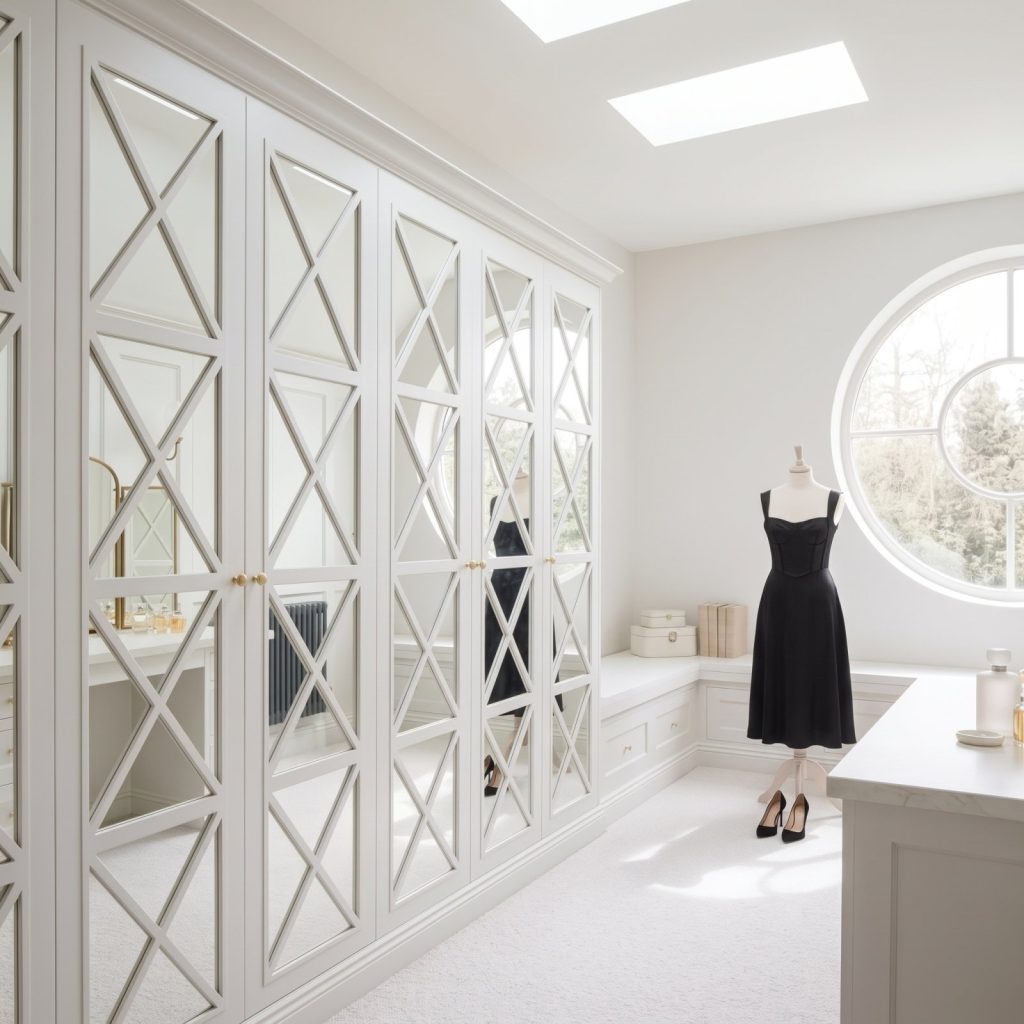
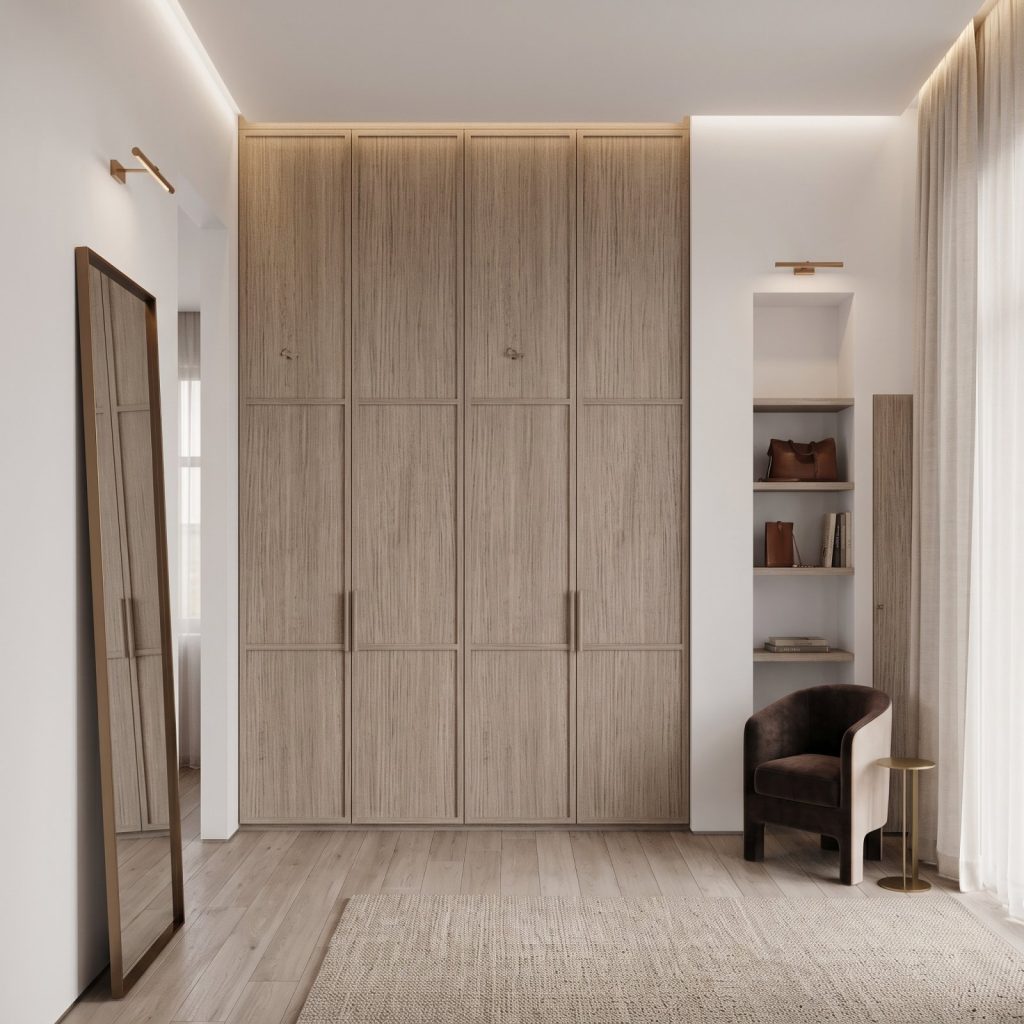
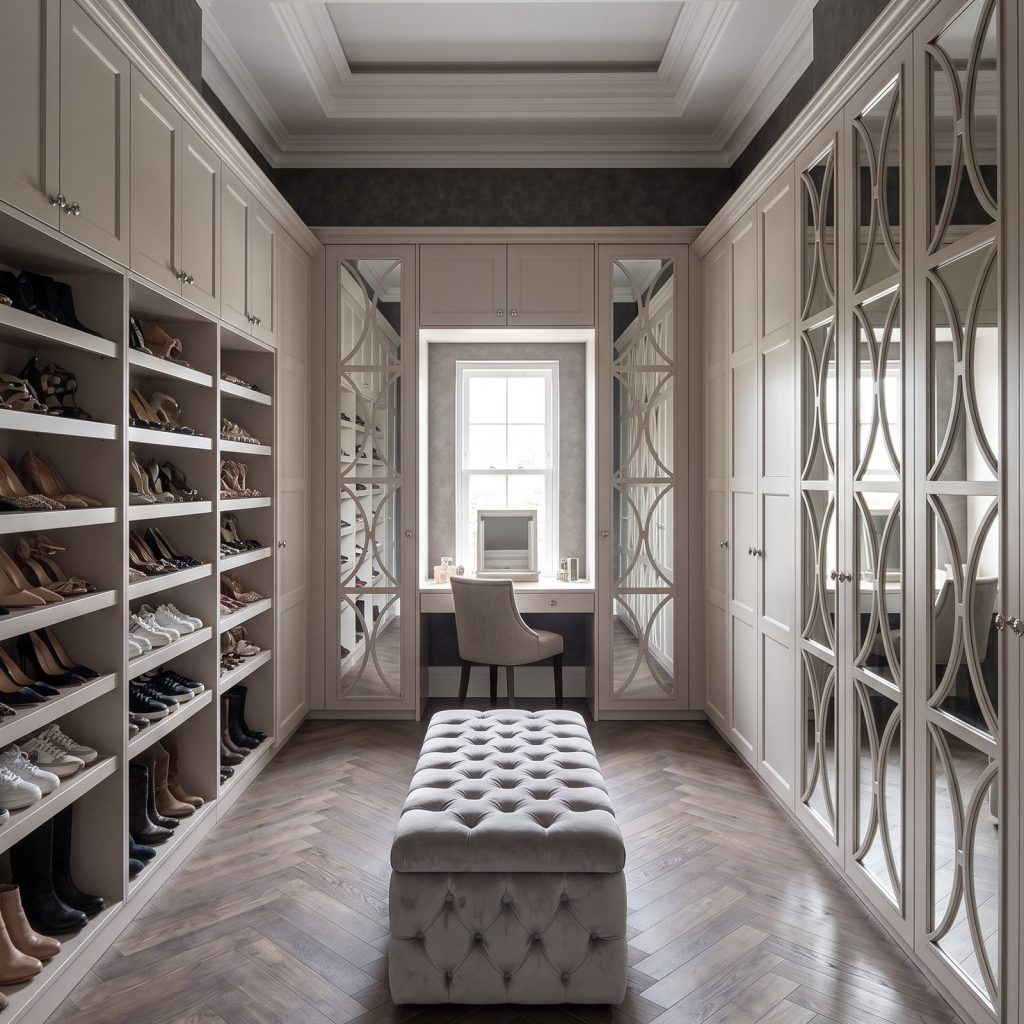
Choose from Skinny Shaker Wardrobe Doors, Mirror Fret Wardrobe Doors, Classic Shaker Wardrobe Doors and Flat Panel Wardrobe Doors. Each style creates a distinct visual effect, from the clean lines of a flat panel to the framed detail of a Shaker design. Consider the finish alongside your room’s light, colour palette and daily use, then maintain it with the gentle cleaning routine described above.
For a single-door update or a wider interior project, explore the options at Wardrobe Door Studio. Visit Wardrobe Door Studio to view the range or get in touch.
Plan a wardrobe refresh with confidence
Knowing how to care for matt finish wardrobes can also help you choose a finish and style that suit your everyday routine. If you’re considering a bedroom update, focus on the look you want and how the doors will work within the room. Wardrobe Door Studio offers Skinny Shaker Wardrobe Doors, Mirror Fret Wardrobe Doors and Classic Shaker Wardrobe Doors, giving you distinct design directions to consider for your space. A single door replacement can refresh an existing wardrobe, while a coordinated selection can shape the feel of the wider room. Explore the options and discuss your project with the team when you’re ready to take the next step. Contact Wardrobe Door Studio today and move towards a wardrobe that feels considered, personal and right for your home.
Frequently Asked Questions
How to clean matt-finish wardrobe doors safely
If you’re wondering how to care for matt finish wardrobes, clean one door at a time, starting at the top and working down. This helps you spot missed areas and keeps loosened dirt from travelling over cleaned sections. Don’t spray cleaner directly onto the door, as liquid can collect around edges and joints. Apply it sparingly to a cloth instead, and avoid leaving drips.
Can you use polish, wax or furniture spray on matt wardrobes?
No. Avoid furniture polish, wax and ordinary furniture sprays on matt wardrobe doors, as they can leave a reflective or uneven film. Silicone-based sprays can also change the surface appearance. If a product is specifically intended for matt furniture, test it on a concealed patch first and follow its label. Don’t use polish to disguise a scuff, as buffing can create a shiny spot.
How to remove fingerprints and grease from matt wardrobe surfaces
For greasy fingerprints, focus on the area around handles, where skin oils collect through regular use. Use a clean cloth lightly dampened with water and mild, neutral detergent, lifting the mark rather than spreading it across the door. Turn the cloth to a clean section as grease transfers. Remove detergent residue with a fresh damp cloth, then dry the area.
What cloths and tools should you use to clean matt wardrobes?
Choose a soft, clean microfibre cloth for dust and light marks. Keep separate cloths for applying a damp solution and drying, so loosened dirt or detergent isn’t transferred back onto the door. Avoid brushes, scourers and sponges with rough faces. Before wiping, check the cloth for grit, loose threads or debris that could scratch the finish.
How to prevent streaks and shiny patches on matt wardrobe finishes
Knowing how to care for matt finish wardrobes also means controlling moisture and friction. Use only a little moisture, then dry with a soft, clean cloth. Excess detergent can leave a visible film, while repeated rubbing may create shiny patches. Inspect the door in natural light, especially around handles and edges. Lift any residue with a lightly damp cloth, then dry without vigorous buffing.
How to care for matt laminate, lacquered and painted wardrobe finishes differently
Identify whether the door is laminate, lacquered or painted and follow its care instructions, since finishes may respond differently to products. For all three, start with dry dusting, use mild cleaning only when needed, and test any cleaner on a hidden area first.