A well-organised wardrobe can still be a poor fit if your child can’t reach the clothes they wear every day. If you’re considering how to design a child’s wardrobe interior, start with the routines that shape how it is used: choosing clothes, getting dressed and putting things away. Before allocating space for hanging garments, folded pieces and smaller belongings, take stock of what needs to fit. A layout based only on today’s belongings can soon feel cramped.
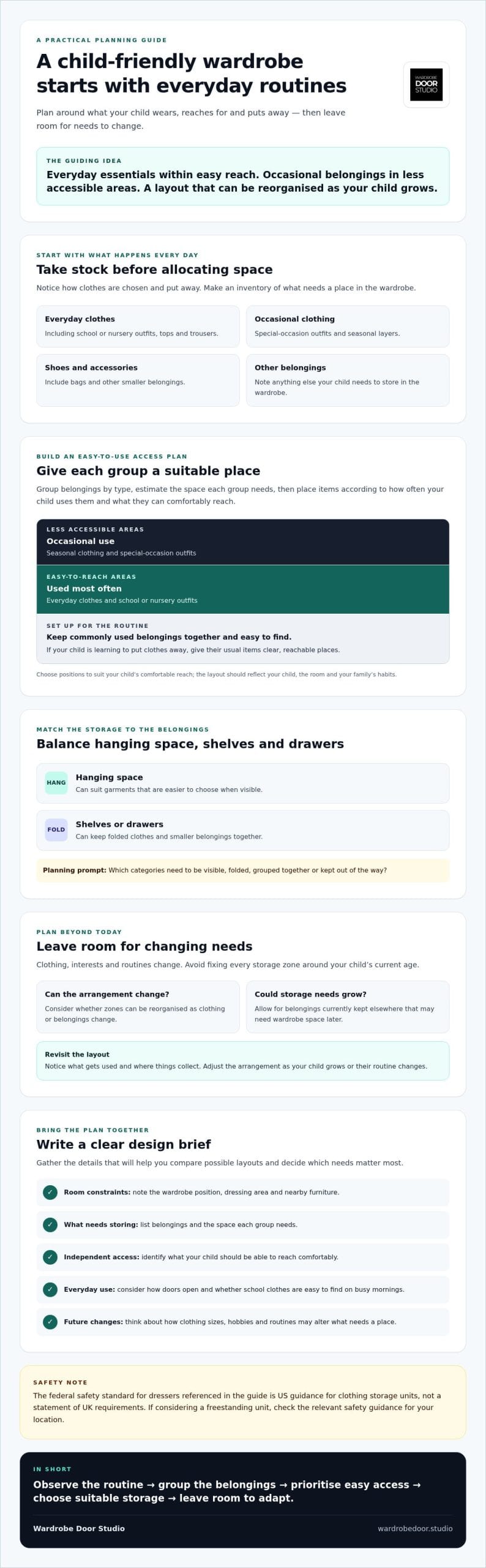
A practical design puts everyday essentials within easy reach, reserves less accessible areas for occasional items and leaves room to adapt as your child grows. This guide will help you map out useful storage zones, decide how to balance different types of storage and account for changing needs. The aim is a wardrobe that works with your child’s routines now and can be reorganised as those routines and belongings change.
Key Takeaways
- Start with your child’s daily routines and belongings, then identify what needs a place in the wardrobe.
- Group clothing and other items before estimating the space each category needs.
- Consider how hanging space, shelves and drawers could make the layout easier to use and keep organised.
- When planning how to design a child’s wardrobe interior, include the room’s constraints and allow for future changes.
How to design a child’s wardrobe interior around everyday routines
Begin with your child’s routines and belongings, rather than assuming a standard layout will suit. Before deciding how much space to allocate to different storage types, make an inventory of what needs a place:
- Everyday clothes, including school or nursery outfits
- Special-occasion clothing and seasonal layers
- Shoes, bags and accessories
- Other belongings your child needs to store in the wardrobe
Think about how clothes are chosen and put away, too. The functional design in children’s wear reflects practical needs as well as appearance, and those needs can inform how you organise a wardrobe. Daily habits should determine which items occupy the wardrobe’s easiest-to-reach zones. For example, if your child chooses their own clothes, keep the items they wear most together and where they can see them.
What should a child be able to reach independently?
Prioritise the items your child uses most often, such as everyday tops, trousers or a school uniform. Place them within your child’s comfortable reach so choosing and putting away clothes can become part of their routine. Less frequently used belongings, such as seasonal clothing or special-occasion outfits, can go in less accessible areas.
Consider the routine itself. If your child gets dressed in the morning, keep the clothes they need easy to find. If they’re learning to put clothes away, give their usual items clear, reachable places. Notice what gets used and where things tend to collect before settling on an arrangement. How to design a child’s wardrobe interior depends on the child, the room and the family’s habits, so the layout should reflect what works in your home.
Plan child-friendly wardrobe storage that can adapt as needs change
Turn your inventory into a practical plan: group belongings by type, estimate how much space each group needs, then give the most accessible zones to everyday essentials. For instance, school clothes and frequently worn outfits may need a different place from occasion wear or seasonal items. This helps you judge how to balance hanging space, shelves and drawers. Hanging space can suit garments that are easier to choose when visible, while shelves or drawers can keep folded clothes and smaller belongings together.
Plan for more than your child’s current age. Clothing, interests and routines change, so avoid fixing every zone around today’s needs. Consider whether the storage can be reorganised if the kinds of clothing or belongings change, and whether items currently kept elsewhere may need space in the wardrobe later.
How can the layout balance easy access and future flexibility?
Review which belongings your child can use independently and which are better placed higher or out of the way. Keep everyday essentials within easy reach, and reserve less accessible areas for items used occasionally. As you plan, check that commonly used belongings have a clear place and that the layout does not rely on your child reaching items they cannot comfortably access. Revisit the arrangement as your child grows or their routine changes.
Consider safety alongside storage. The linked federal safety standard for dressers is US guidance for clothing storage units, not a statement of UK requirements. If you’re considering a freestanding unit, check the relevant safety guidance for your location.
A clear plan also helps you assess whether a standard arrangement suits the room or a tailored overall design would be worth exploring. See bespoke wardrobe design options as one route to consider.
Turn your child’s wardrobe interior plan into a considered design
Bring your observations together in a concise design brief before choosing a layout. Note the room’s constraints, the belongings that need storage, which items your child should reach independently and how these requirements may change. Include practical details such as where the wardrobe sits in relation to the dressing area, whether its doors can open without blocking nearby furniture, and whether school clothes need to be easy to find on busy mornings.
Think beyond the wardrobe, too. Ideas for storage options that grow with your child can prompt useful questions about flexibility. Could the arrangement still work as clothing sizes, hobbies and routines change? A clear brief makes it easier to compare possible layouts and decide which needs matter most.
When might a bespoke wardrobe be worth considering?
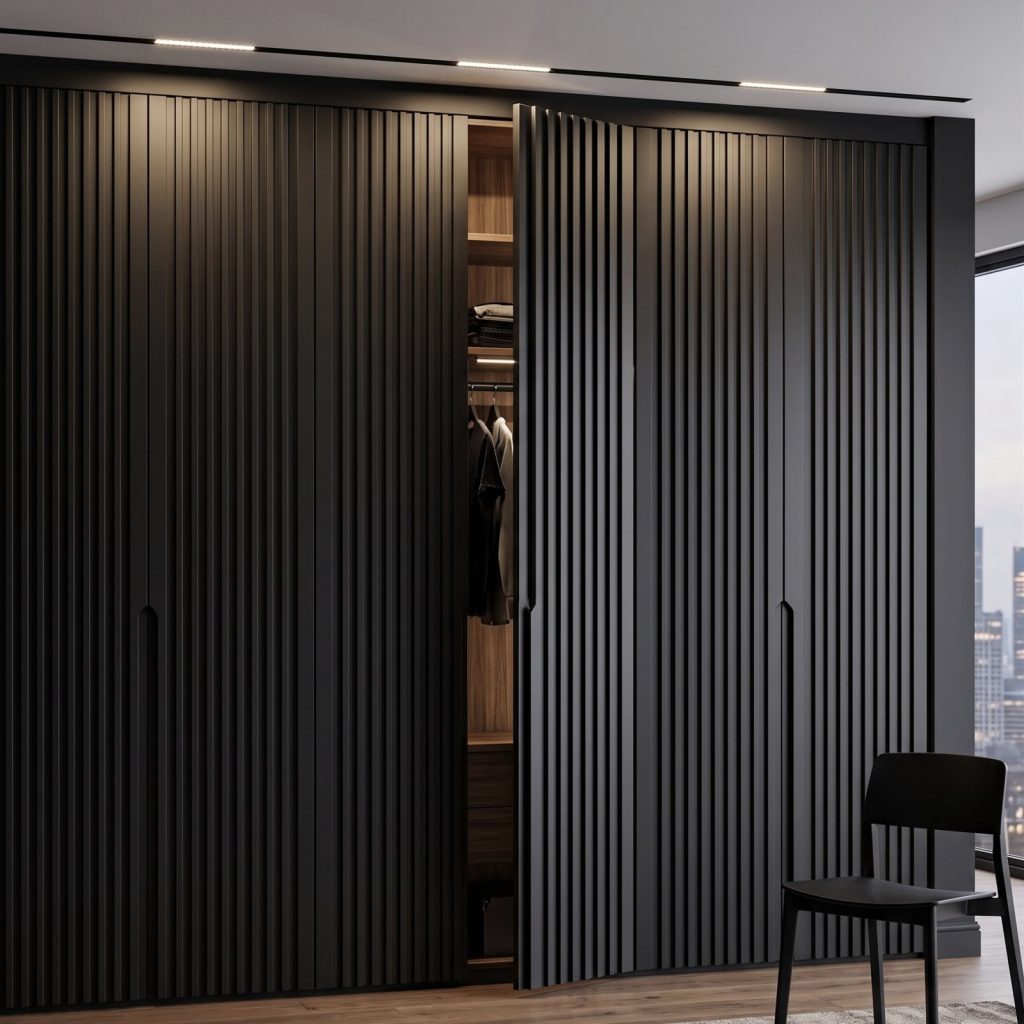
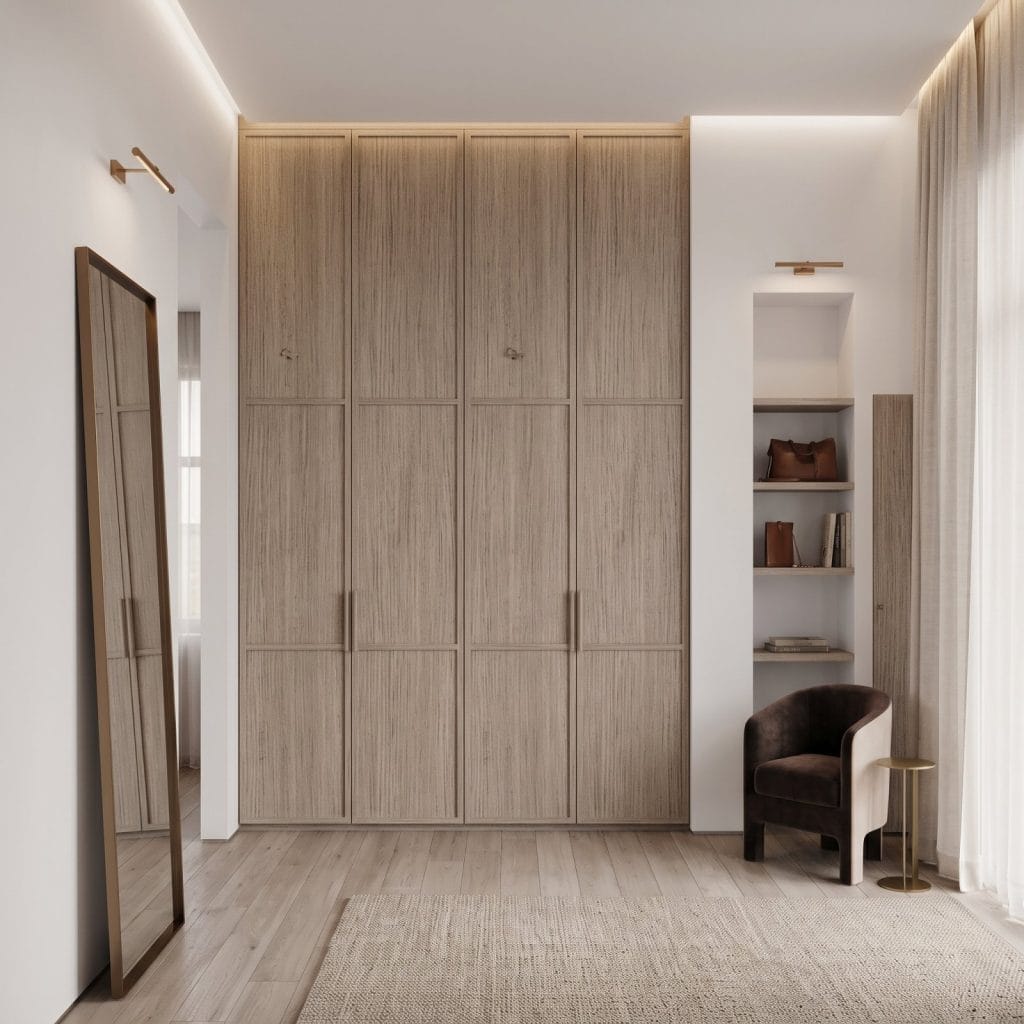
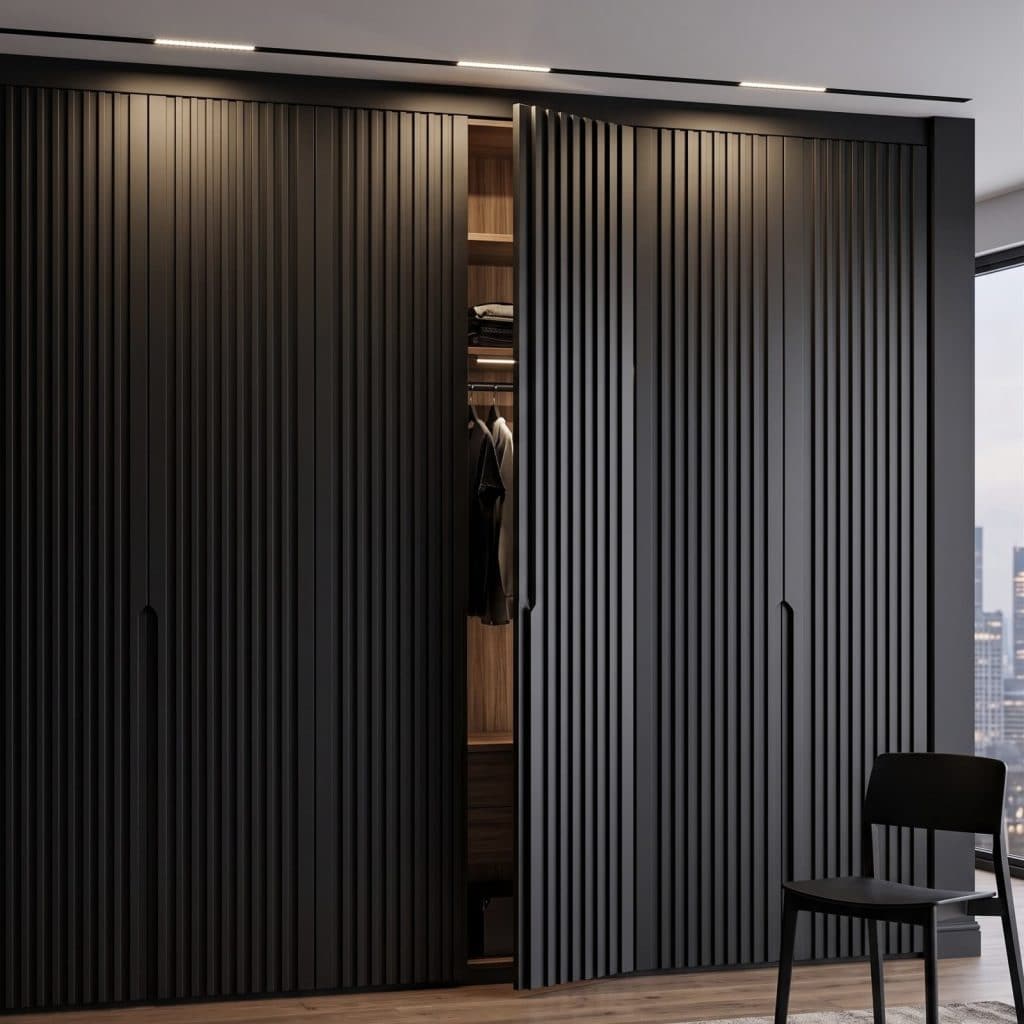
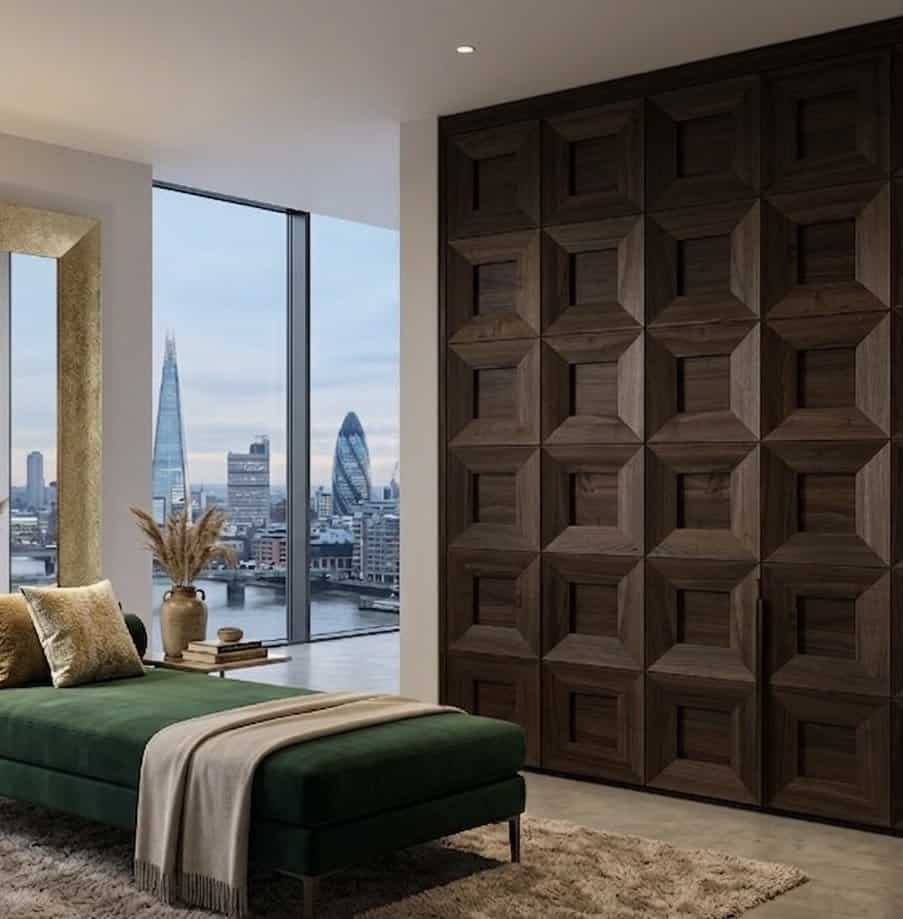
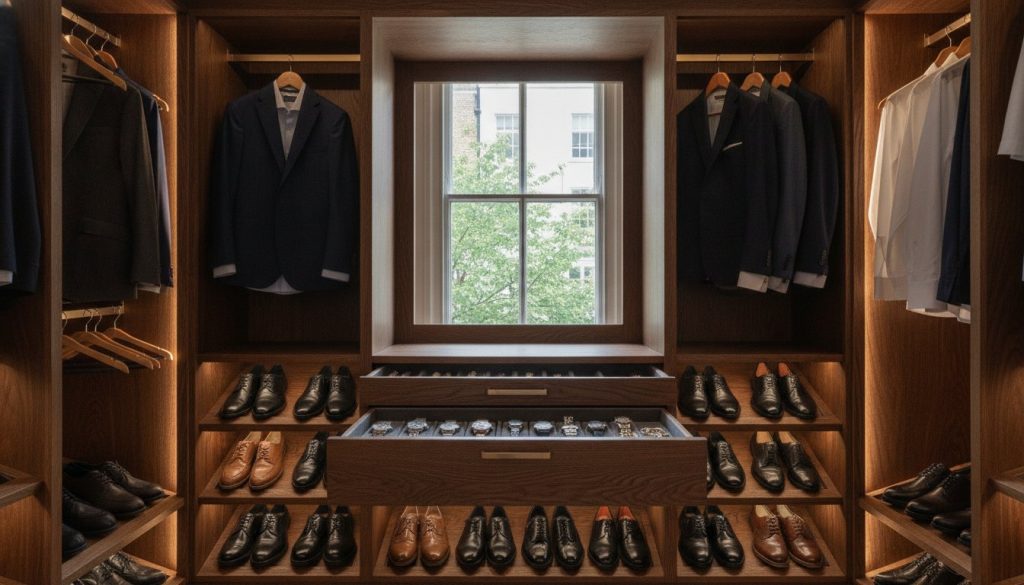
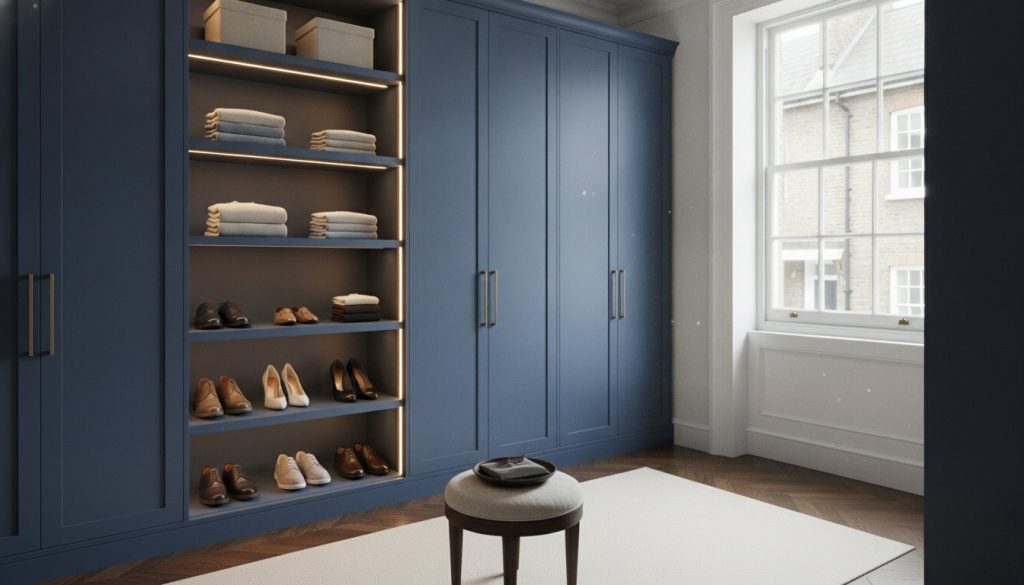
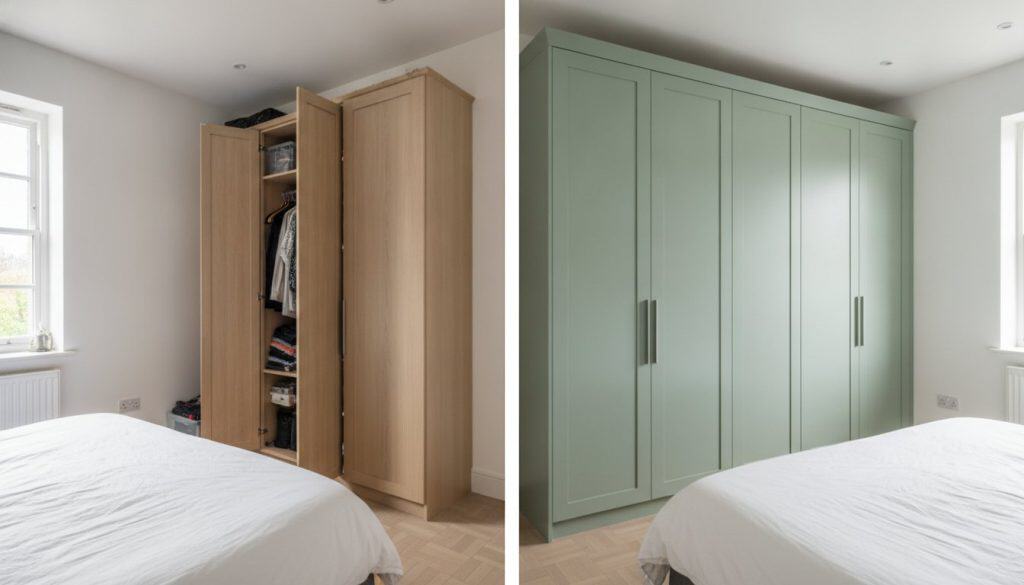
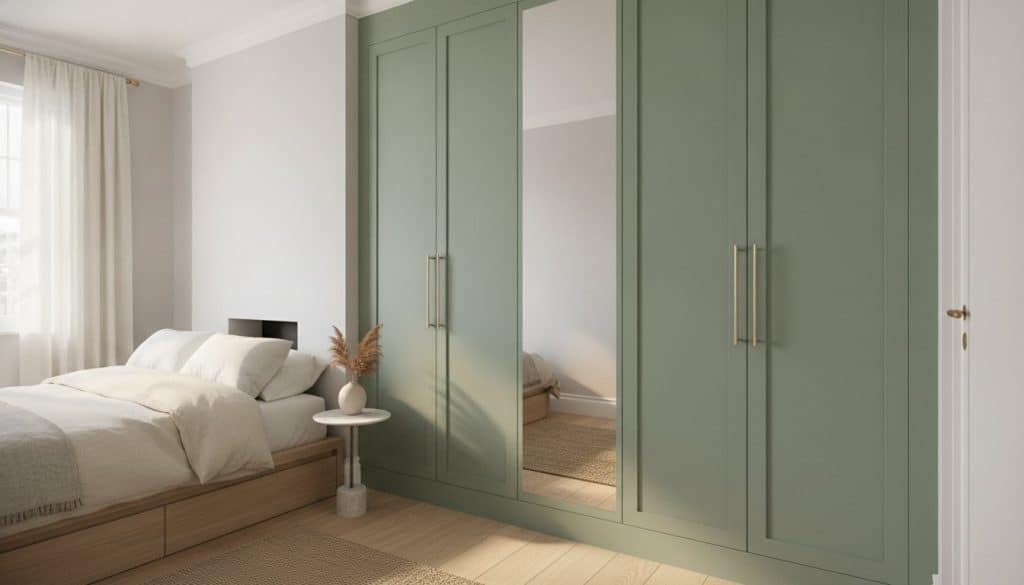
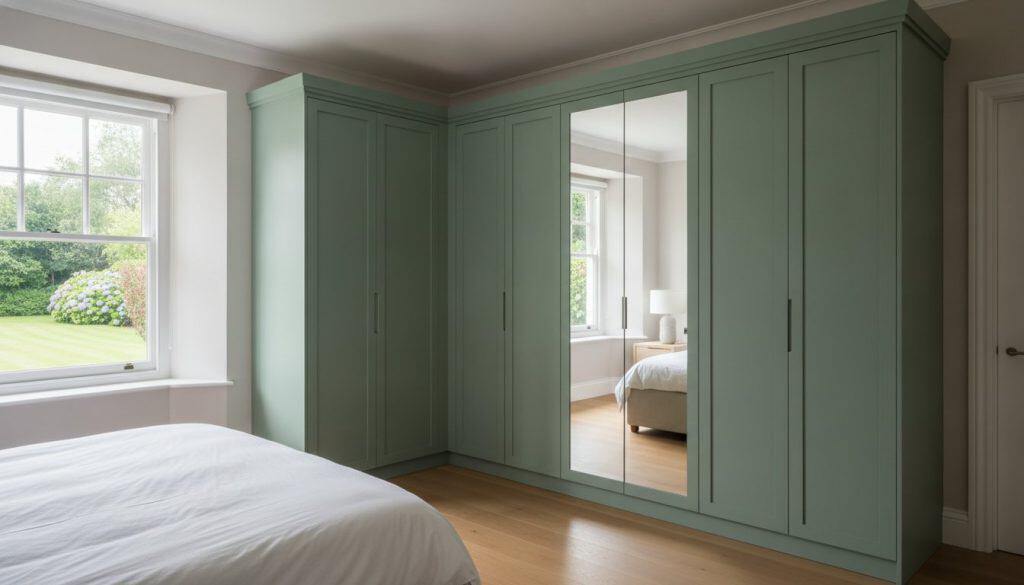
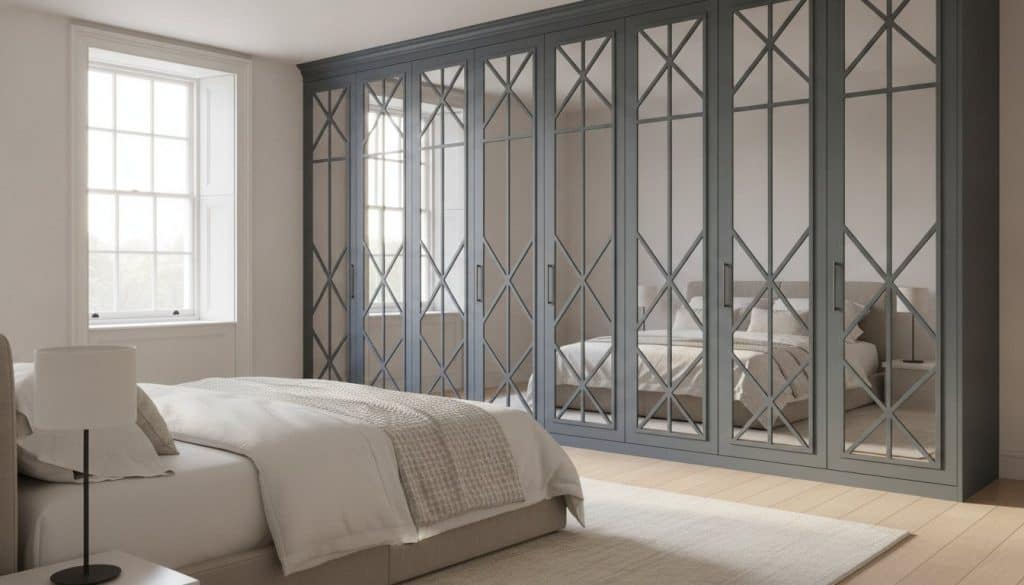
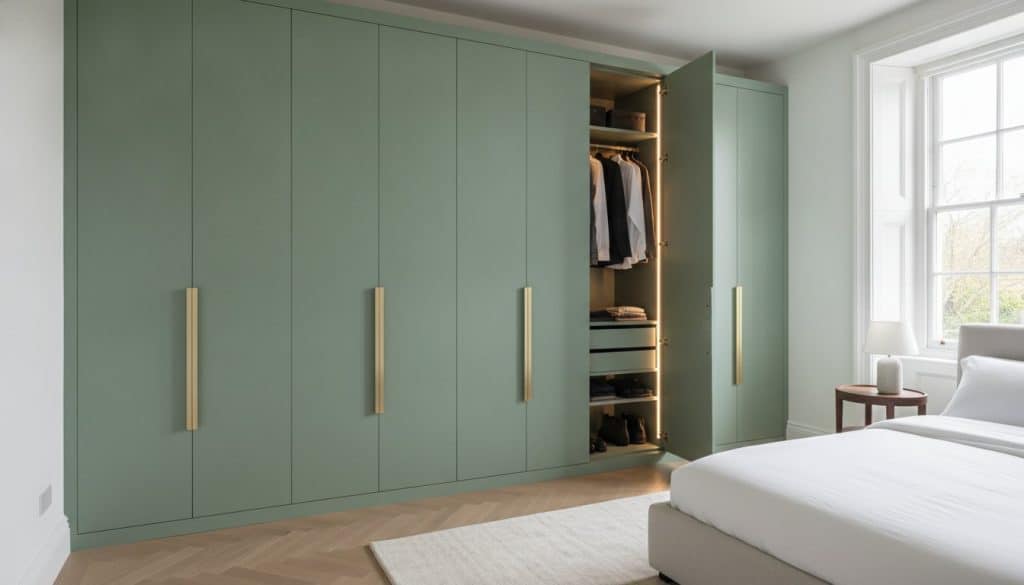
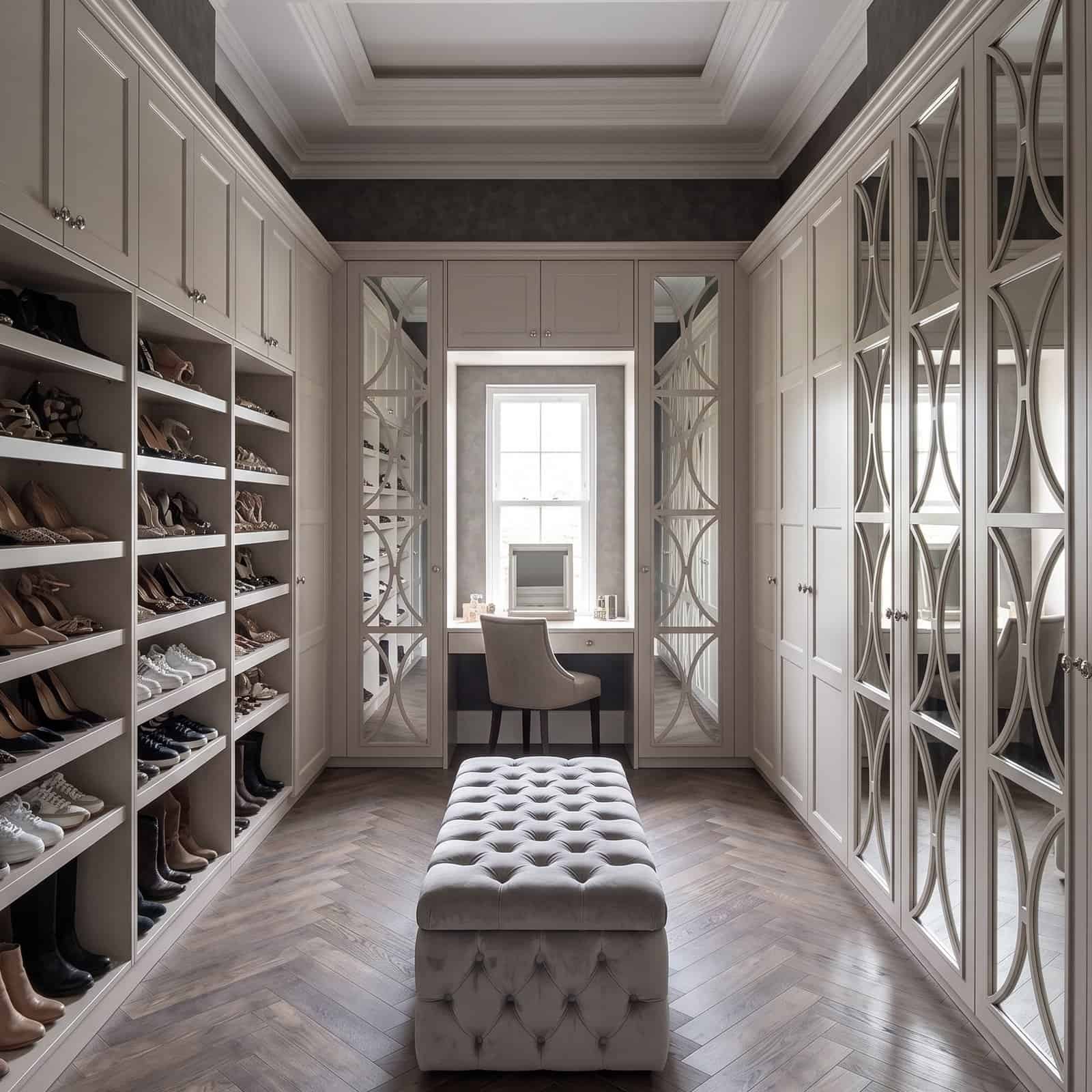
Bespoke design isn’t necessary for every family. It may be worth considering if the room’s shape or storage requirements make a standard arrangement difficult to use. For a tailored overall design, Wardrobe Door Studio offers Bespoke Solutions, including made-to-measure fitted wardrobes. Explore the wardrobe project portfolio for general design inspiration. The examples aren’t presented as child-specific interiors.
Knowing how to design a child’s wardrobe interior starts with a plan that reflects the room and the child, rather than a fixed template. If you’re ready to consider a room-specific solution, explore bespoke wardrobe options.
Shape a wardrobe plan that can grow with your child
A well-planned wardrobe starts with how your child gets dressed and puts belongings away. Group items by type, give everyday essentials the most accessible places and keep the layout open to change as clothing and routines evolve. A clear brief covering the room, storage needs and access preferences helps you decide whether a standard arrangement is suitable or a tailored design is worth exploring.
Wardrobe Door Studio takes a design-led, bespoke approach, with wardrobes manufactured in England and Supply & Fit and Supply Only options. These services relate to wardrobe design and supply, so include your interior requirements when discussing a potential project.
Ready to consider a tailored overall design for your room? Explore bespoke wardrobe design. A thoughtful plan can help create an organised space that supports your child’s independence now and can be reviewed as they grow.
Frequently Asked Questions
How do you organise a child’s wardrobe?
Organise a child’s wardrobe by grouping belongings by type and how often they’re used. Keep everyday clothes together, and separate shoes, accessories, special-occasion outfits and seasonal items. Then decide which groups are best suited to hanging space, shelves or drawers. Keep the arrangement consistent so your child can find things and learn where belongings go.
What should go in a child’s wardrobe?
Store the clothing and personal belongings your child needs to access in their room, such as everyday outfits, school clothes, occasion wear, shoes and accessories. The right selection depends on your family’s routines and the space available. Make an inventory before assigning storage, then decide what belongs in the wardrobe and what is better kept elsewhere.
How can I make a child’s wardrobe easier to use independently?
Place frequently used belongings where your child can reach and identify them comfortably. Group similar items together, and keep the arrangement straightforward enough to follow when getting dressed or putting clothes away. Observe how your child uses the space and adjust it if an item is awkward to reach or regularly ends up in the wrong place. Let your child’s comfort and ability guide the setup.
How do I design a wardrobe interior that can adapt as my child grows?
To plan how to design a child’s wardrobe interior for changing needs, avoid committing every area to one age or type of clothing. Allow for the balance of hanging, folded and other belongings to shift over time. Review the layout as clothing, interests and routines change, and consider a tailored design if the room’s constraints make a standard arrangement difficult to adapt.