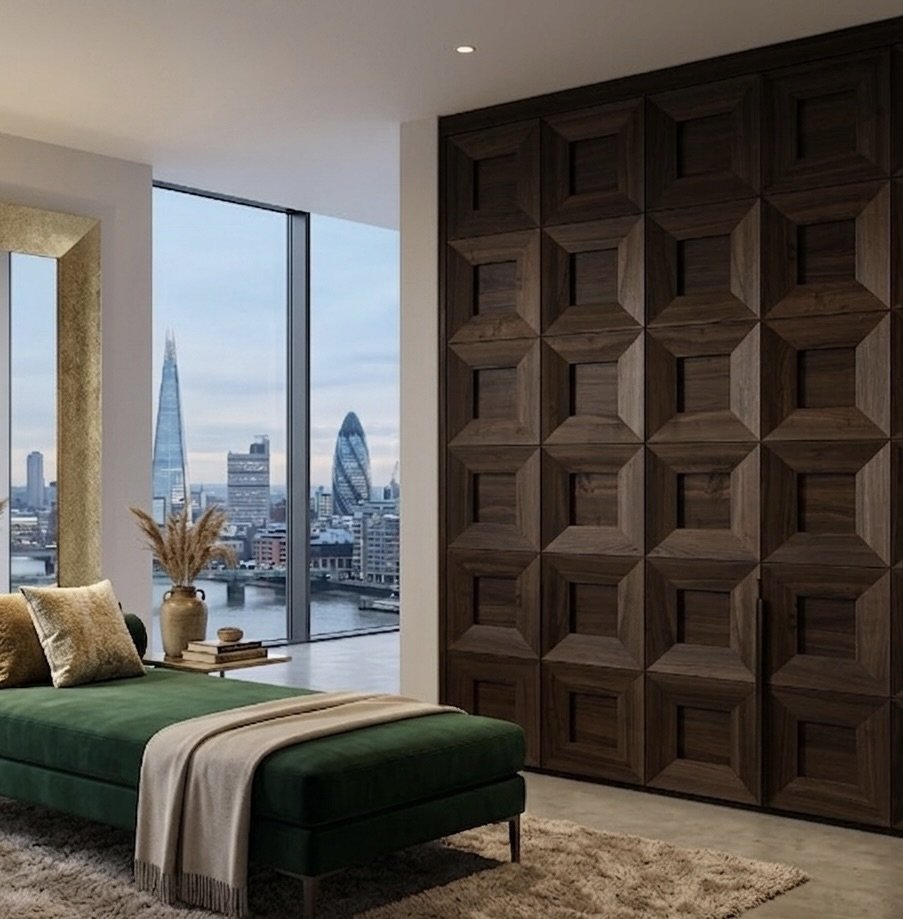
A fresh wardrobe look doesn’t have to start with a new frame. Made-to-measure replacement wardrobe doors can update an existing wardrobe, with accurate measurements and hinge positions helping ensure a good fit.
Wondering whether you can get a sample door? A sample or colour swatch can help you assess a finish in your room, alongside your lighting and existing furnishings. The right choice also depends on the condition of the wardrobe frame and the style you want to achieve.
This guide explains how to assess your existing frame, measure for replacement doors and compare styles and finishes. You’ll also learn what to consider when choosing between hinged and sliding designs, and how Wardrobe Door Studio’s bespoke options can refresh a wardrobe while retaining its existing structure.
Key Takeaways
- Measure the existing doors carefully, including their dimensions and hinge positions, to guide a made-to-measure fit.
- Compare panel designs and finishes against your room’s proportions, lighting and existing furnishings.
- Assess the frame, hinges and alignment to understand whether replacing the doors alone is a practical refresh.
- Explore Skinny Shaker, Mirror Fret, Classic Shaker and Flat Panel designs to find a style that suits your wardrobe.
Made-to-measure replacement wardrobe doors
Made-to-measure doors are sized for an existing wardrobe, helping preserve its frame. Measure the opening and inspect the hinges before choosing a style or finish.
Measuring Existing Wardrobe Doors
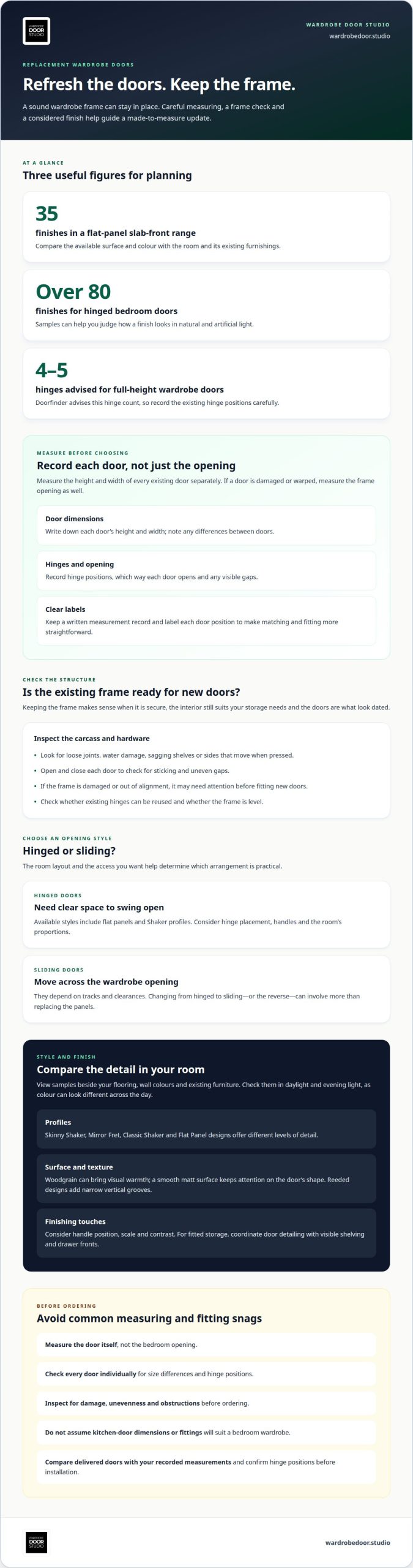
Measure the height and width of each existing door rather than estimating from the bedroom opening. Record each measurement separately if the doors differ, and note hinge positions, opening direction and visible gaps. If a door is damaged or warped, measure the frame opening too, as the old door may not reflect the intended fit. Label your measurements clearly.
Hinged Door Options
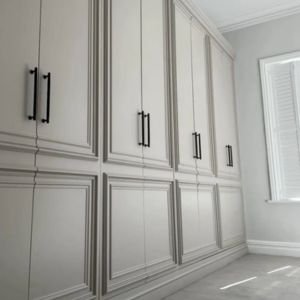
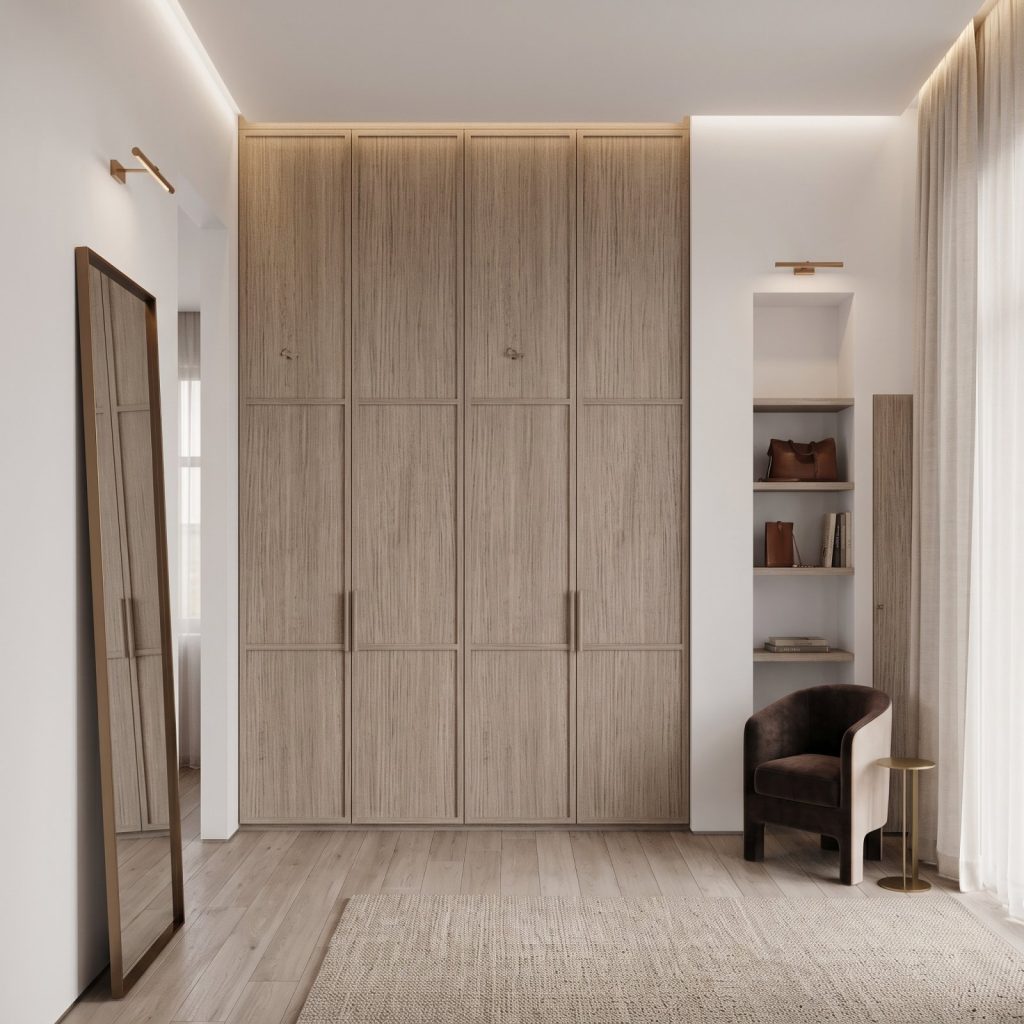
Made-to-measure hinged designs include flat panels and Shaker profiles, with finishes such as woodgrain for a more natural look. Compare the door style with the room’s proportions and existing furniture; a detailed panel can create a different effect from a plain slab. Doorfinder advises using four or five hinges on full-height wardrobe doors, so hinge placement matters when planning the replacement.
Quotation and Fitting Process
Avoiding Replacement Problems
Common mistakes include measuring the opening instead of the door, overlooking differences between door sizes and ordering hinges in the wrong positions. Measure each wardrobe door individually, then check the frame for damage, unevenness and obstructions before ordering. Don’t assume kitchen-door dimensions or fittings will suit a bedroom wardrobe. Keep a written measurement record and label each door position to make matching and fitting more straightforward.
Wardrobe door styles and finishes
Choose a profile and colour that suit the room, then consider how the doors will open and work with your fitted storage.
Sliding doors move across the wardrobe opening, while hinged doors swing out and need clear space in front. The better option depends on your room layout and the access you want.
Available Door Ranges
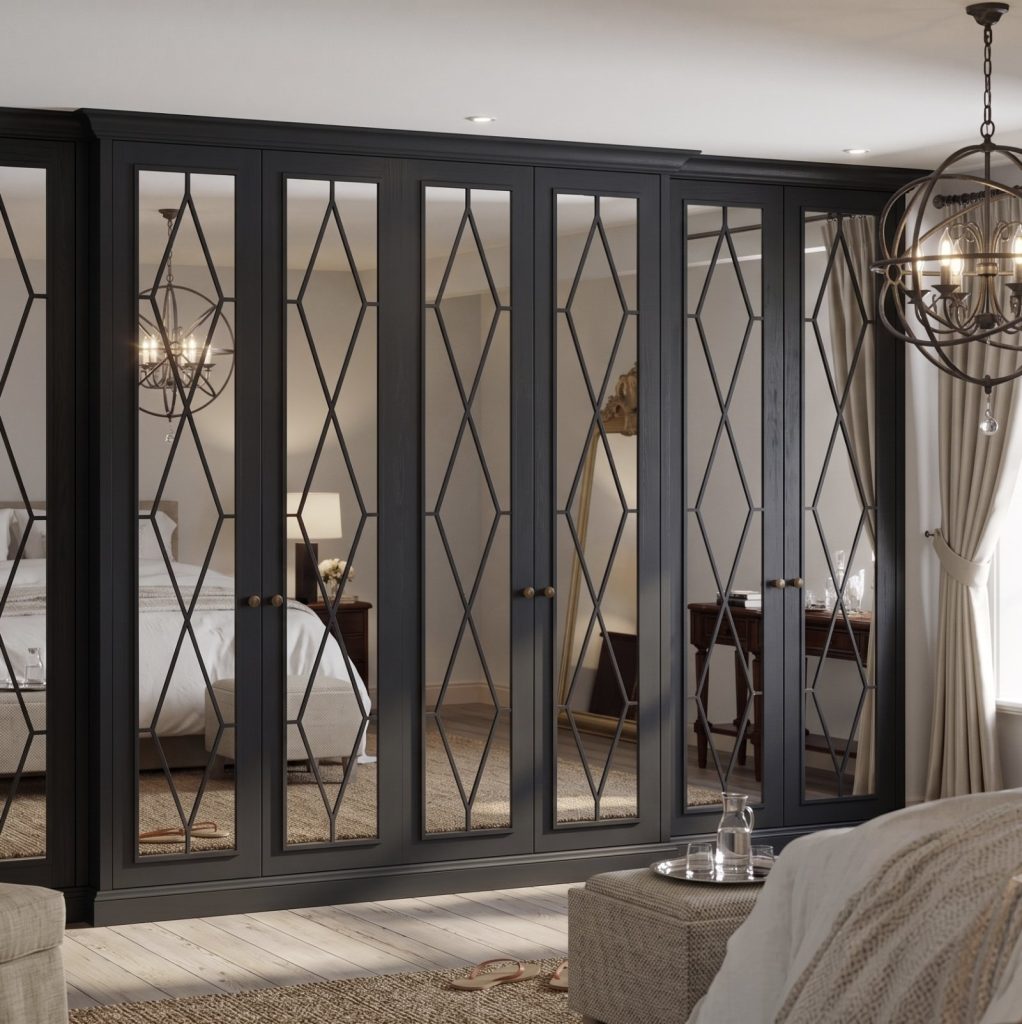
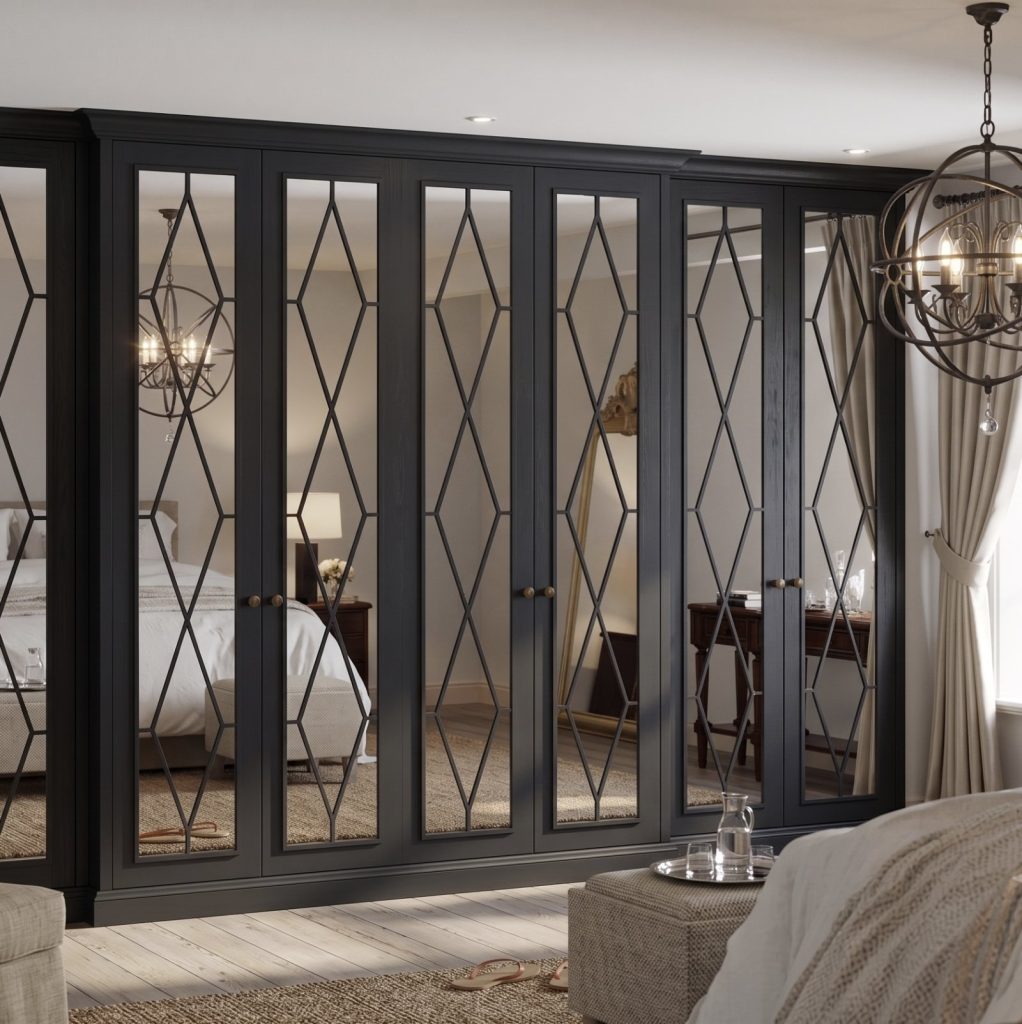
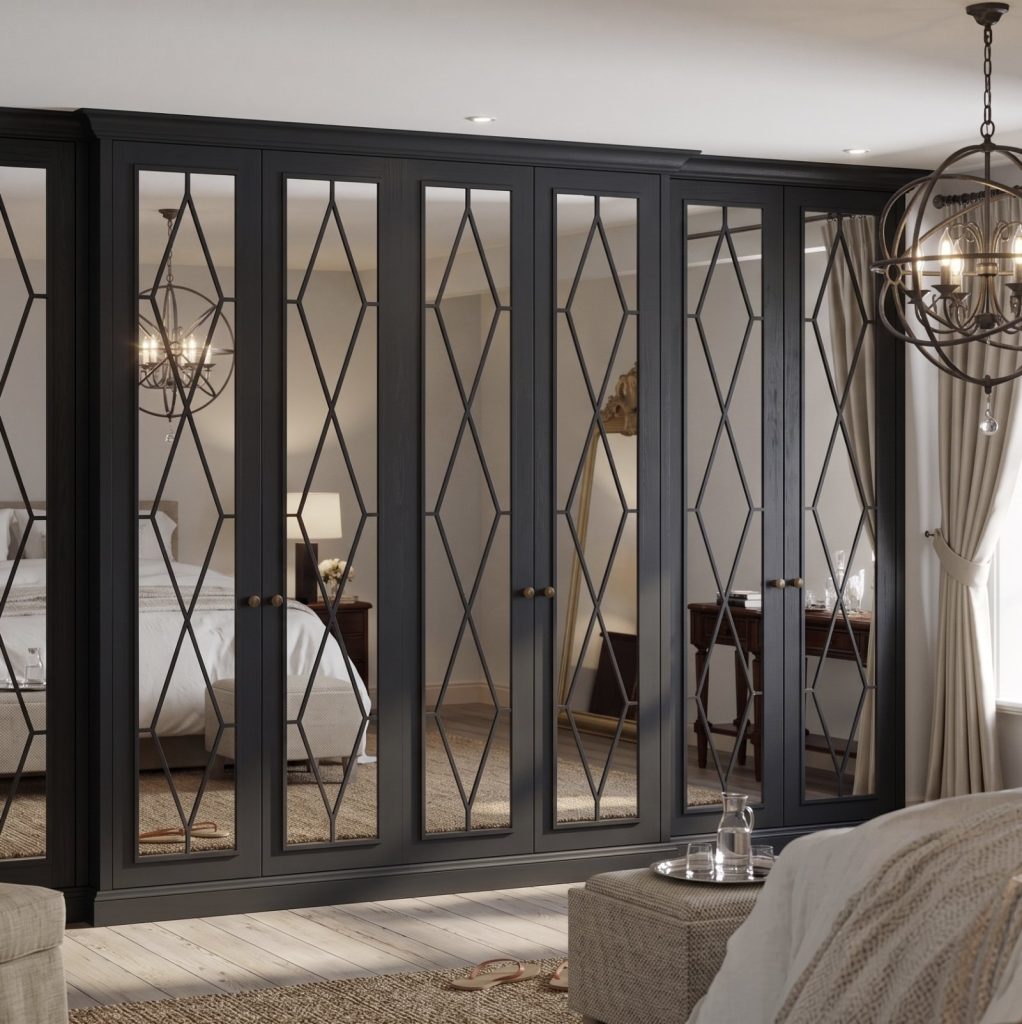
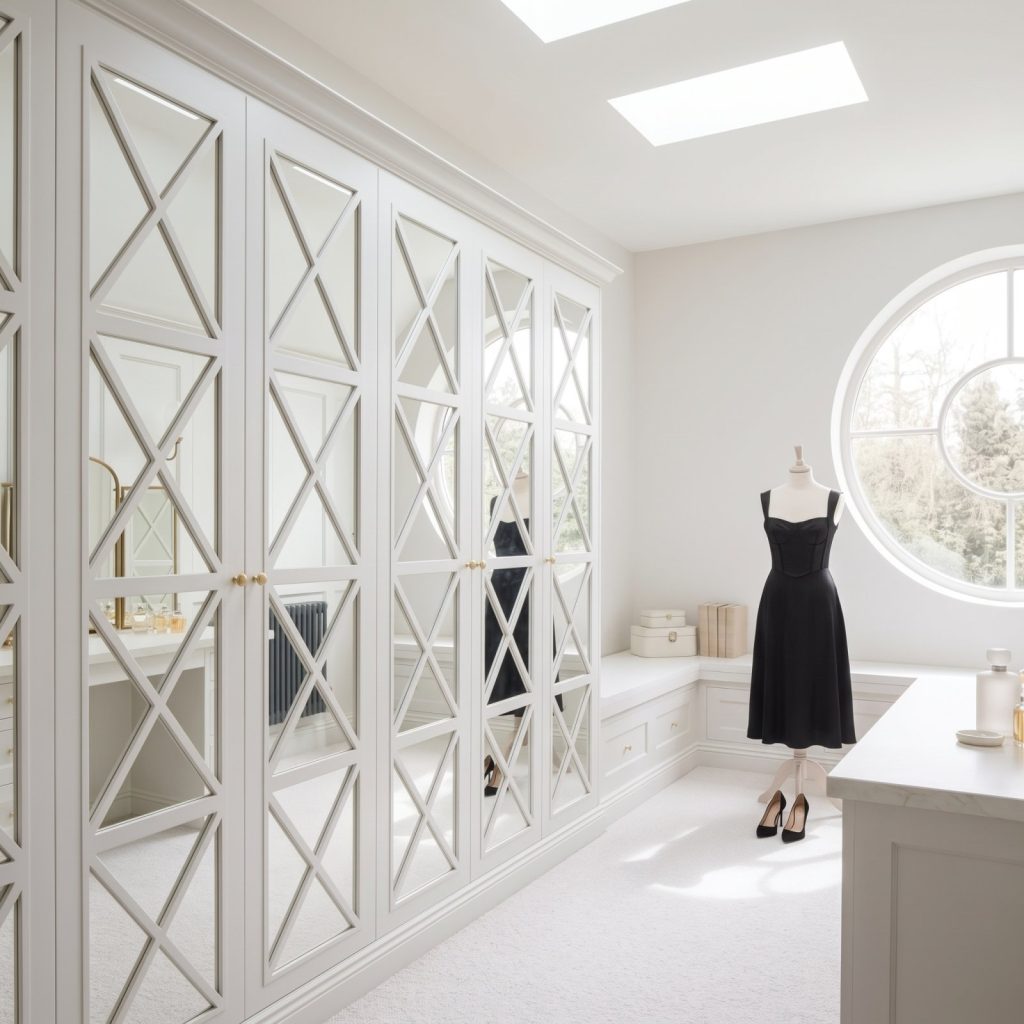
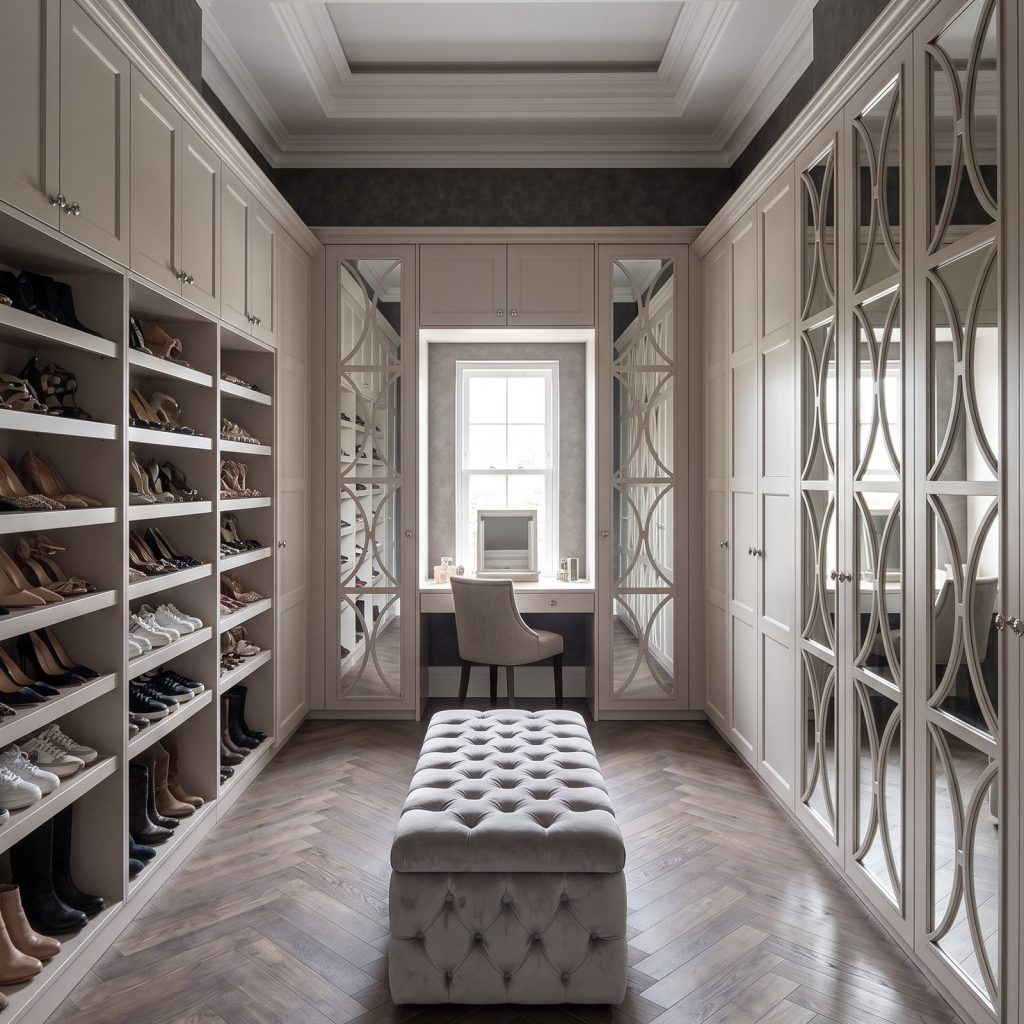
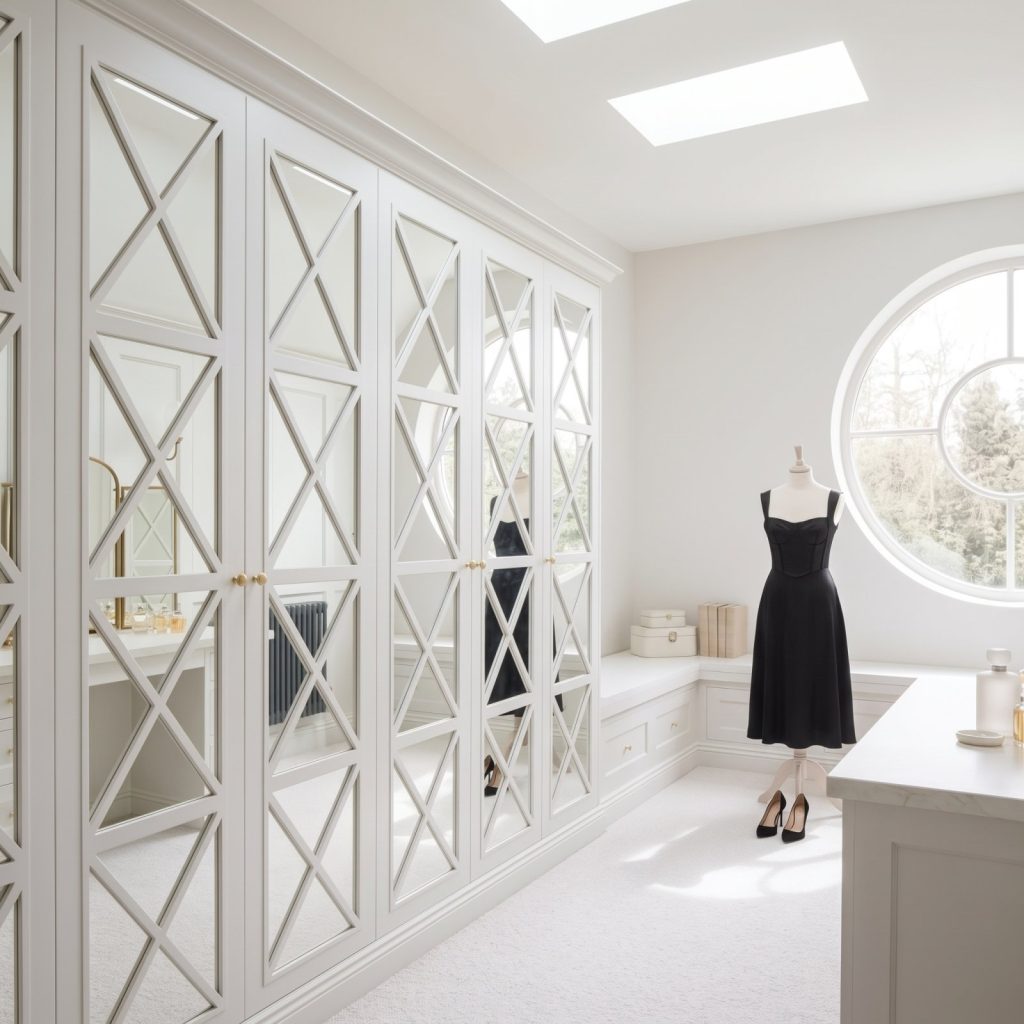
Common wardrobe door styles include flat panels, Shaker profiles and designs incorporating mirror fretwork. A flat-panel slab-front range is listed in 35 finishes, while hinged bedroom doors are available in over 80 finishes. Compare samples in the bedroom’s natural and artificial light, since colour can appear different across the day. Check whether the chosen style complements nearby furniture.
Hinged and Reeded Designs
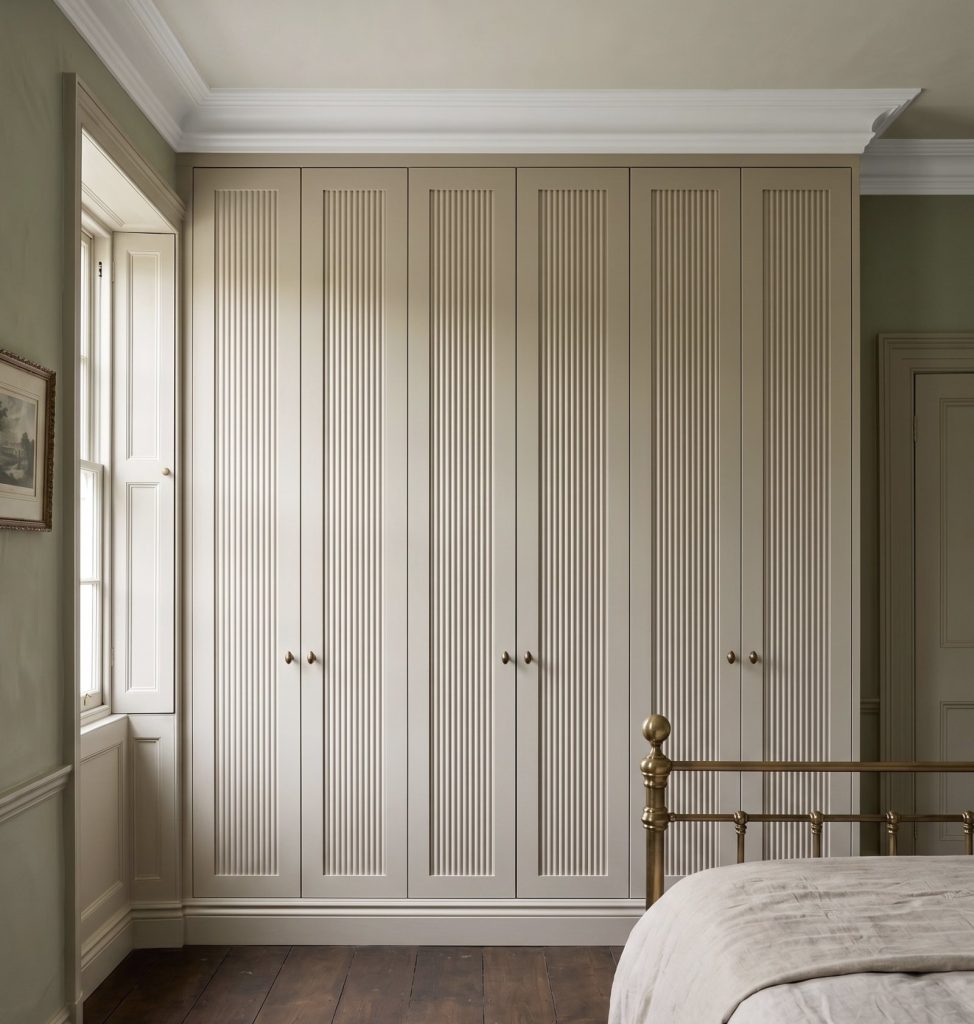
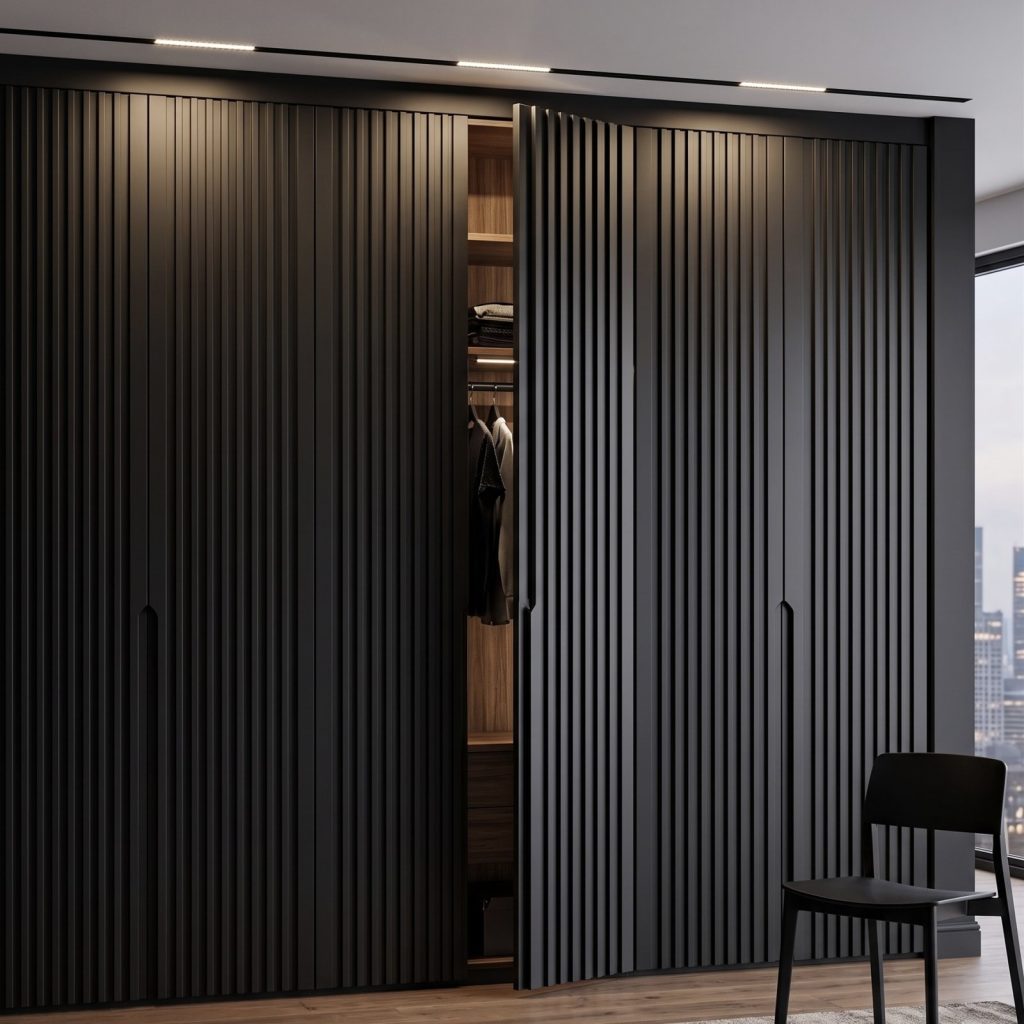
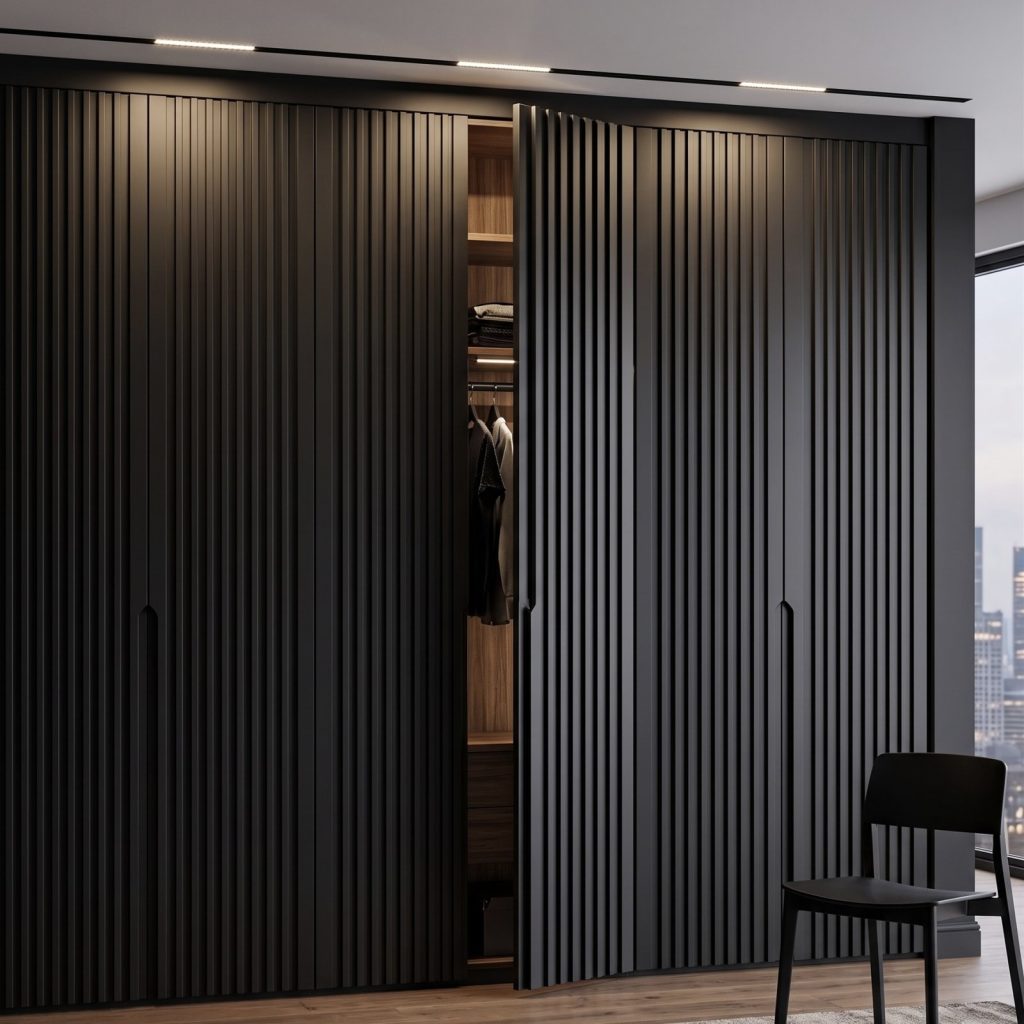
Hinged doors suit wardrobes with enough room for each door to open fully. Shaker profiles add a framed detail, while a flat panel creates a cleaner, more minimal line. Reeded designs use narrow vertical grooves to add texture without changing the door’s overall shape. Handles also affect the finish, so consider their position, scale and contrast with the door colour.
For a fitted wardrobe, coordinate the door detailing with visible shelving and drawer fronts. This creates a considered look across the entire storage wall.
Materials and Finishes
Match the finish to the room’s use and style. Woodgrain can bring visual warmth, while a smooth matt surface keeps attention on the door’s shape. Sliding designs are available in coloured glass, mirrors and wardrobe-door finishes. Hinged designs offer a broad choice of colours and surface effects. Compare samples with your flooring and wall colours before deciding.
Explore bespoke wardrobe door styles to compare profiles and finishes for your scheme.
Replacing doors while keeping the wardrobe frame
Keeping a sound wardrobe frame can refresh a bedroom without replacing the whole carcass. It makes sense when the structure is secure, the interior still suits your storage needs and only the doors look dated. A different door style, colour or finish can give a traditional frame a more contemporary appearance.
Inspect the carcass, not just its appearance. Check for loose joints, water damage, sagging shelves and sides that move when pressed. Open and close each door to spot sticking or uneven gaps. If the frame is damaged or out of alignment, it may need attention before new doors are fitted. Otherwise, the same issue could affect how they operate.
Next, identify the existing opening system. Hinged doors attach to the frame, while sliding doors depend on tracks and clearances, so switching between them can involve more than replacing the panels. Check the frame’s construction and existing hardware, then choose a like-for-like arrangement where practical. Don’t assume a kitchen door will suit a bedroom wardrobe, as their dimensions and fittings may differ.
A finish sample helps you judge colour beside the frame, flooring and bedroom lighting. For example, pale woodgrain can soften a dark carcass, while a contrasting shade can make the doors a focal point. Compare the sample in daylight and evening light before settling on the finish.
The key decision is whether the frame remains stable and suits your storage. If it does, explore wardrobe update options that refresh its appearance without replacing the carcass.
Wardrobe Door Studio: Skinny Shaker Wardrobe Doors
Wardrobe Door Studio offers replacement wardrobe doors for homeowners refreshing a sound frame, alongside options for wider interior projects. Choose Skinny Shaker Wardrobe Doors for refined framed detail, or compare Mirror Fret, Classic Shaker and Flat Panel designs to suit your room.
Consider how the door profile will sit alongside existing furniture, wall colours and fitted storage. A single replacement door can update one wardrobe, while a coordinated choice across a room creates a more unified finish. The range suits individual orders and larger design schemes, giving homeowners and trade professionals options to match their project.
For a considered update to your existing wardrobe, contact Wardrobe Door Studio to discuss your requirements.
Give your wardrobe a considered next chapter
Choosing replacement wardrobe doors is an opportunity to shape a room around the furniture you already have. Consider how the profile, colour and surrounding storage work together, and whether the doors should blend in or become a defining feature. Skinny Shaker, Mirror Fret and Classic Shaker designs offer distinct looks, from slender framed detail to a more traditional style.
To develop your idea, bring your preferred style and wardrobe requirements into the conversation with Wardrobe Door Studio. A clear brief helps focus the next design decisions, whether you’re refreshing one wardrobe or planning a broader interior scheme. Discuss your wardrobe door project and take the next step towards a finish that feels considered and personal.
Frequently Asked Questions
Can I get a sample door?
Yes, suppliers can provide sample doors or colour swatches on request. Use a sample to assess more than colour: compare its surface and sheen with nearby furniture, flooring and handles. View it in daylight and under your bedroom lighting, then consider how the finish looks beside the existing wardrobe frame before making your choice.
How do I measure my wardrobe door size?
Measure the door itself from edge to edge rather than estimating its size from the wardrobe opening. Note the width and height separately, and record each door’s position, such as left-hand or right-hand. If a handle or decorative detail projects beyond the door, measure the panel and record that projection separately.
What types of replacement wardrobe doors are available in the UK?
UK options include hinged and sliding configurations, with replacement wardrobe doors available in designs ranging from plain panels to framed or decorative fronts. The opening mechanism affects access and the space needed in front of the wardrobe. For appearance, consider whether you want a simple surface, a defined panel detail or a door that incorporates mirrored sections.
How do I measure for replacement wardrobe doors?
For an order, record each panel’s height, width and quantity, then note the hinge positions and which way each door opens. A simple sketch can help distinguish similar panels, especially across a wide wardrobe. Keep your measurements with a photograph of the existing layout so the door positions and fitting details are easy to match.
Can I replace wardrobe doors without replacing the wardrobe carcass?
Replacement doors can suit IKEA PAX and Howdens carcasses when the frame is stable and its fittings support the chosen design. Wardrobe Door Studio offers replacement doors for these carcasses. If the framework still meets your storage needs, it may be a practical way to update its appearance. Loose joints, damaged panels or failing fittings may need attention before installation.