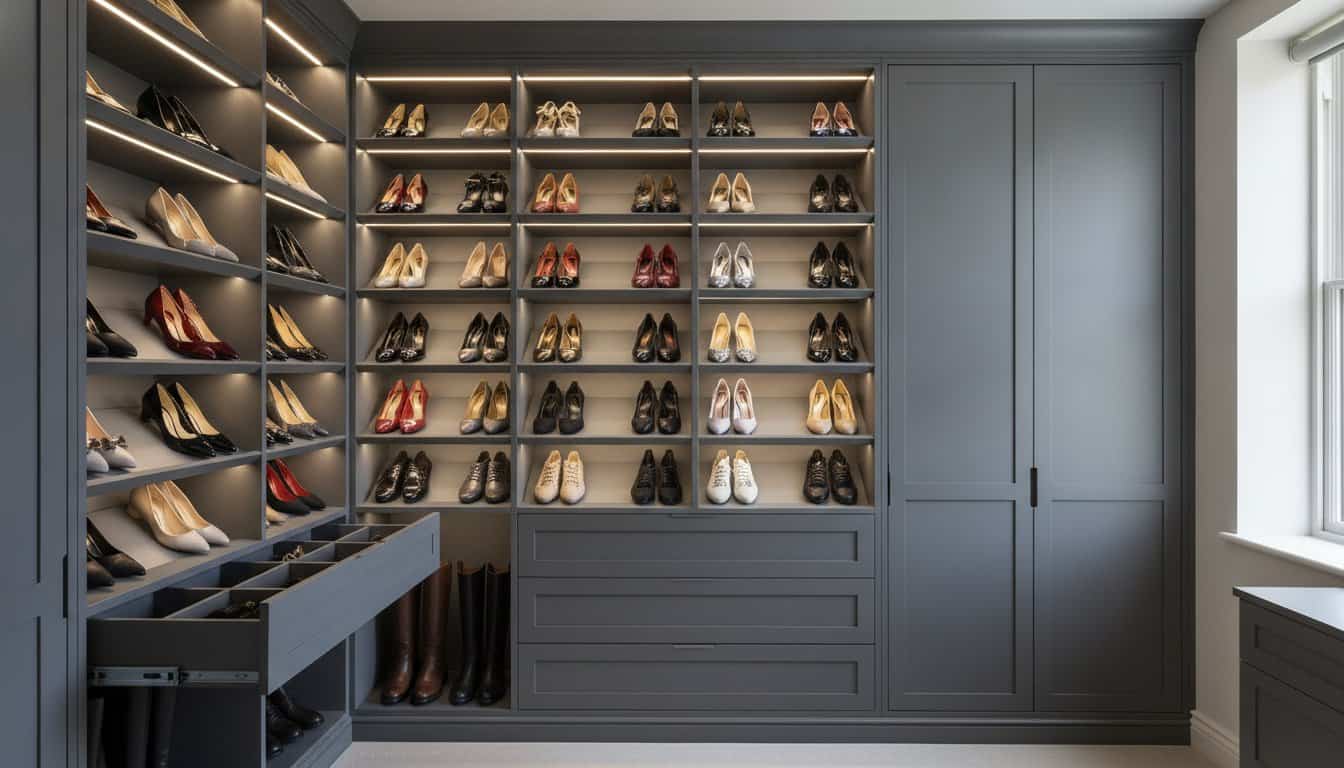
What if your morning routine began not with a frantic search through a pile of crushed leather, but with the quiet satisfaction of a curated gallery display? It’s a common frustration to find your favourite boots losing their shape on an overcrowded floor or tucked away in the shadows of a deep cupboard. Standard shelving rarely accounts for the height of a stiletto or the structure of a designer boot, leading to a cluttered aesthetic that diminishes the value of your collection. By opting for bespoke wardrobe shoe storage, you can transform these daily frustrations into a sophisticated design statement that protects your investment.
We believe that true luxury lies in the precision of the fit and the heritage of the craftsmanship. This 2026 guide will show you how to achieve a Pinterest-worthy display through high-capacity, precision-engineered solutions that utilise every available centimetre of your home. You’ll discover how hand-sprayed cabinetry and integrated LED lighting create a retail-inspired boutique experience in your dressing room. We’ll explore the latest trends in durable, hand-finished organisation, ensuring your footwear is preserved and displayed in a manner that perfectly reflects your personal style.
Key Takeaways
- Understand the functional differences between pull-out drawers and slanted display shelves to select the ideal configuration for your specific footwear collection.
- Maximise every centimetre of your dressing room’s footprint with made-to-measure carcasses that accommodate the varying heights of boots and high heels.
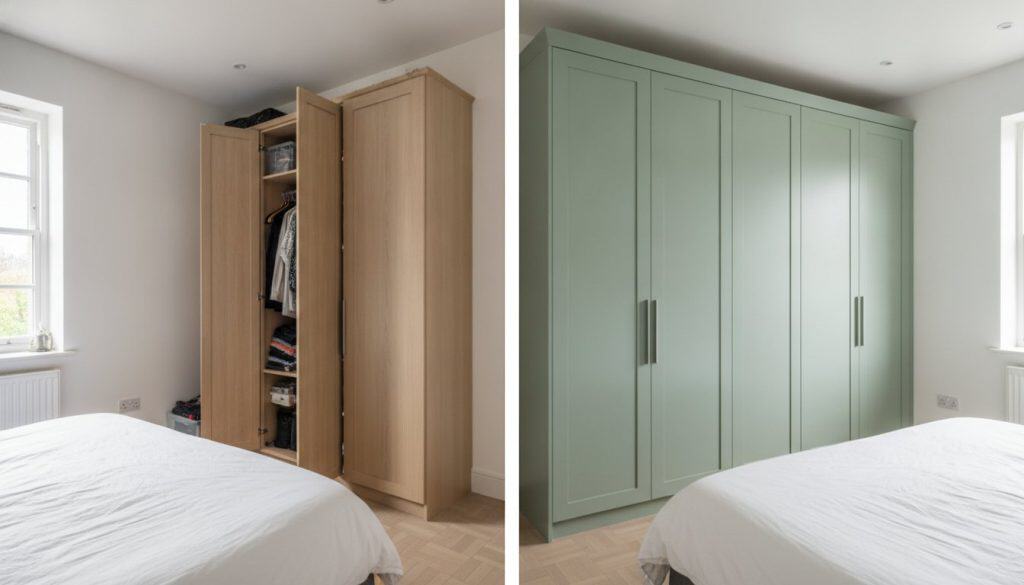
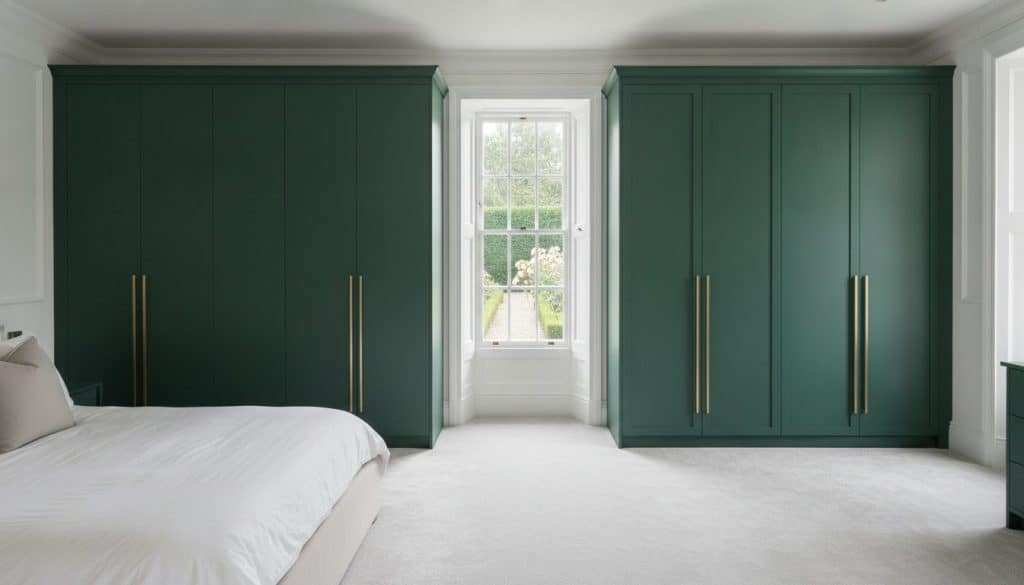
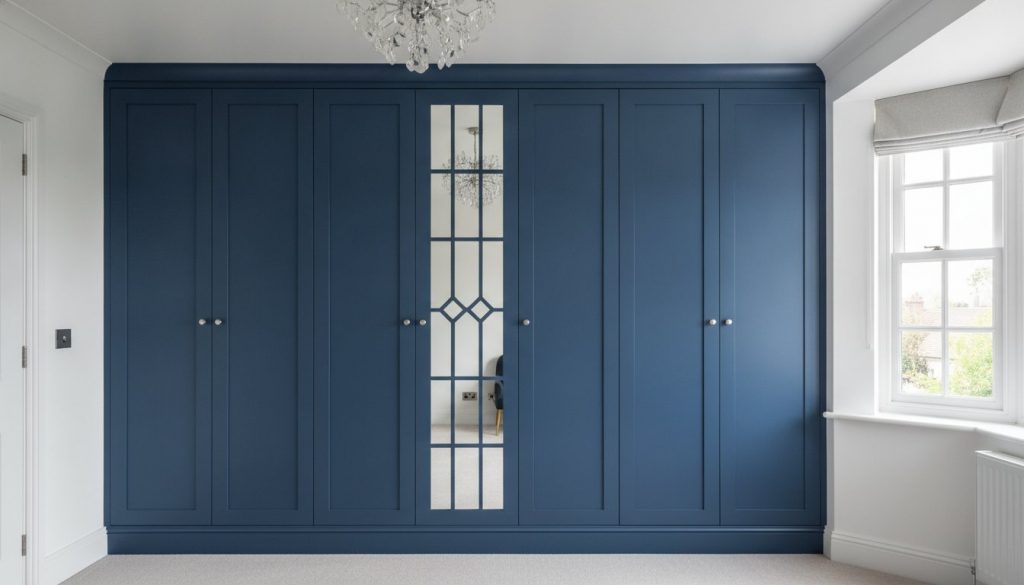
- Learn how to integrate your bespoke wardrobe shoe storage with premium external designs, such as Skinny Shaker doors, for a seamless hand-sprayed finish.
- Master the technical requirements of collection auditing to ensure your internal cabinetry provides the perfect width and height for each pair.
- Discover why British-made, hand-finished organisation systems offer the durability and precision required for a high-traffic luxury interior.
The Evolution of Bespoke Wardrobe Shoe Storage in 2026
The landscape of home organisation has shifted significantly. We’ve moved beyond the era of simply hiding clutter behind closed doors. Today, a sophisticated home requires a more considered approach to its interior architecture. The evolution of the walk-in wardrobe has redefined how we view our personal belongings, transitioning from mere storage to an exhibition of one’s curated collection. This is particularly evident in the rise of bespoke wardrobe shoe storage, where precision engineering meets high-end aesthetics.
Standard off-the-shelf solutions frequently fail the modern UK homeowner. These mass-produced units are designed for a generic user and often leave significant gaps in awkward alcoves or under-utilise the vertical space available in period properties. A custom-built system, however, respects the unique dimensions of your room whilst providing a durable, hand-finished environment for your footwear. Beyond the practicalities, there’s a profound psychological benefit to an organised display. Starting your day with a clear view of your collection eliminates the stress of searching through dark cupboards, streamlining your morning routine and protecting the shape of your shoes.
Beyond the Floor: Why Verticality Matters
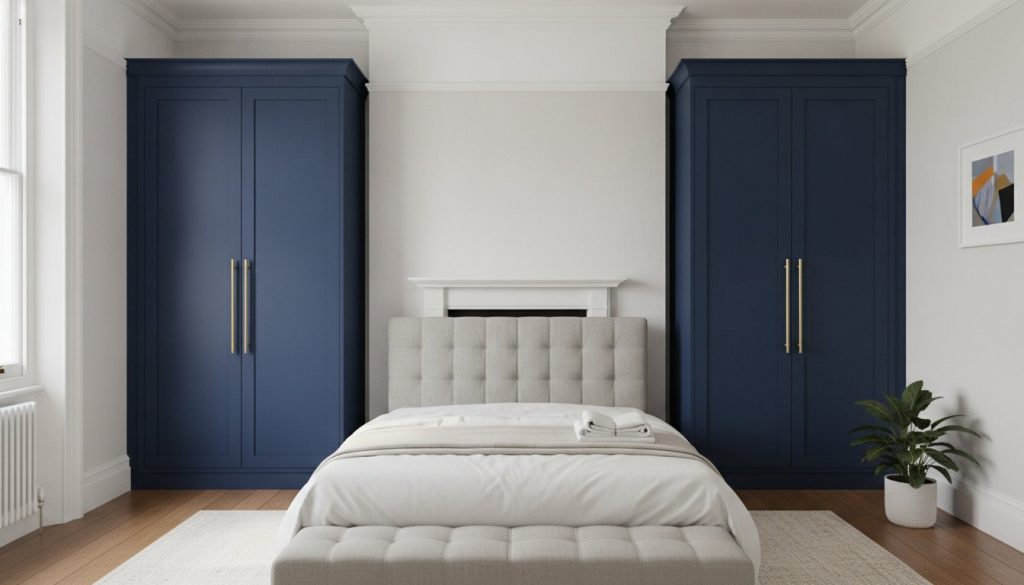
Traditional wardrobes often suffer from “dead space” at the bottom, where shoes are simply piled together. Our approach utilises the full height of your room with floor-to-ceiling cabinetry. By designing made-to-measure carcasses, we ensure that every centimetre is productive. This vertical strategy is especially effective in narrow or shallow alcoves where standard furniture wouldn’t fit. It allows for a high-capacity layout that doesn’t overwhelm the room’s floor space. It’s about making the architecture work for your collection, not against it.
The Aesthetic of the Footwear Gallery
Luxury organisation is about the transition from “hiding mess” to “curating a display”. Integrated LED lighting is now a standard expectation for a high-end finish, casting a subtle glow that highlights textures and colours. You might choose open shelving for a true gallery feel or concealed pull-outs for a minimalist look. To ensure a cohesive aesthetic, many clients pair their internal bespoke wardrobe shoe storage with our hand-sprayed skinny shaker wardrobe doors. This creates a seamless transition between the room’s architecture and its internal functionality, adding tangible value to the property through meticulous design.
Selecting Your Storage Style: Pull-outs vs Slanted Shelves
Choosing the right architecture for your collection is a balance of volume and visibility. Whilst a standard wardrobe often forces you to choose between accessibility and capacity, bespoke wardrobe shoe storage allows for a hybrid approach tailored to your specific footwear categories. The decision between pull-outs, slanted shelves, or pigeonholes depends entirely on how you wish to interact with your collection each morning. A well-considered design ensures that every pair, from daily trainers to evening heels, has a dedicated and protected home.
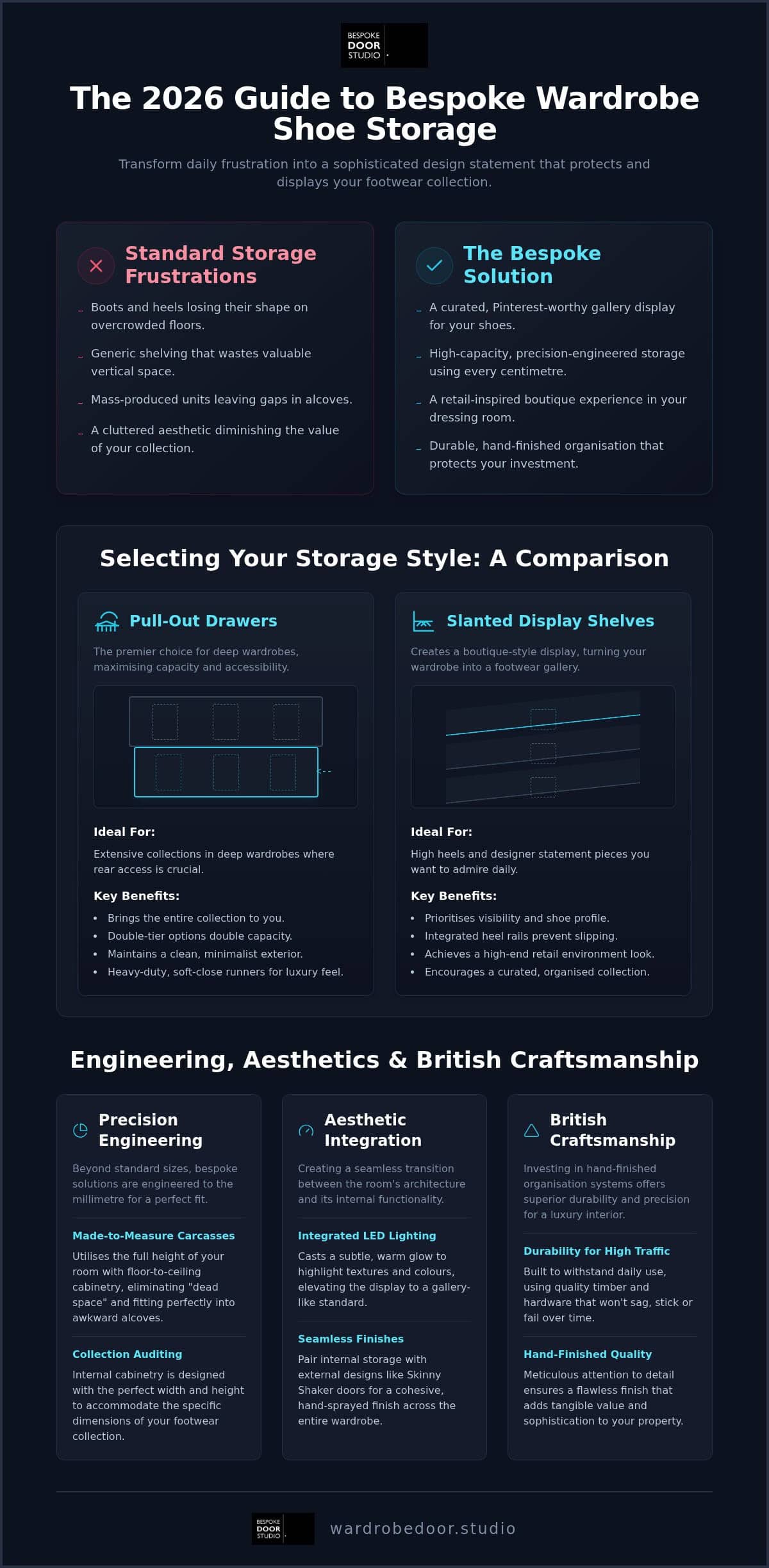
Pull-out shoe drawers are the premier choice for deep wardrobes. They bring the entire collection to you, ensuring that pairs at the back don’t become forgotten or dusty. Slanted shelves with integrated heel rails create a boutique-style display, making them ideal for high heels and designer statement pieces. This configuration prioritises the profile of the shoe, turning your dressing room into a high-end retail environment. For sneakers and flat shoes, pigeonhole cubbies remain a staple. By providing a dedicated compartment for each pair, you prevent scuffing and maintain the structural integrity of soft materials like suede or canvas.
The Mechanics of Pull-Out Racks
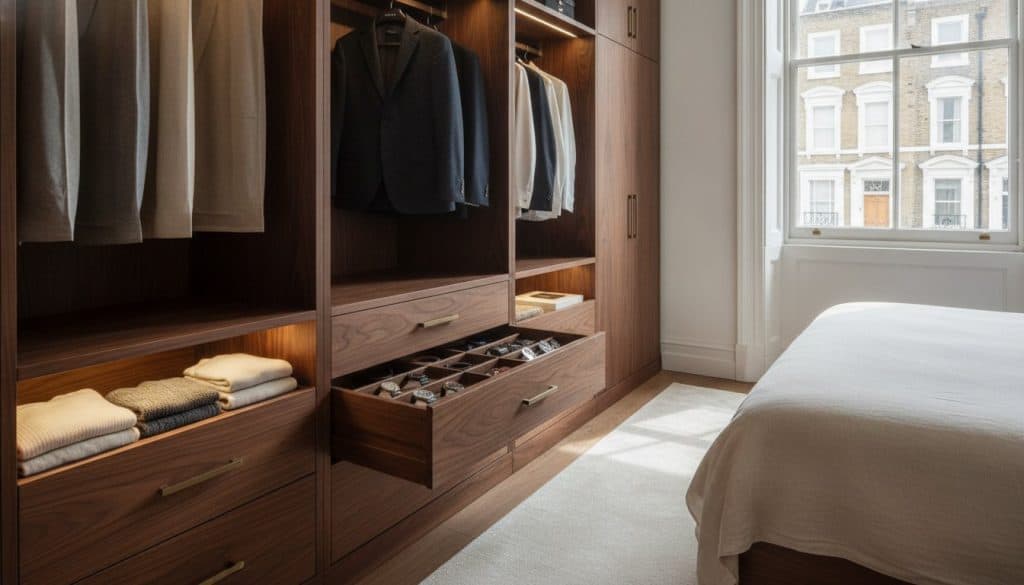
Quality hardware is the foundation of a luxury wardrobe. We utilise heavy-duty, soft-close runners that handle the weight of multiple pairs without sagging or sticking. Unlike flimsy wire-rack alternatives found in mass-market furniture, bespoke timber drawers provide a stable, solid base that won’t leave imprints on delicate soles. For those with extensive collections, double-tier pull-outs effectively double your storage capacity without increasing the footprint of the carcass. This engineering allows you to maintain a minimalist exterior whilst housing a significant inventory within.
Slanted Shelves and Architectural Display
The success of a slanted shelf lies in the precision of the angle. We calculate the optimal degree of tilt based on the shelf height to ensure every pair is visible from your natural eye line. A subtle toe rail is essential; it keeps the shoes in place and prevents them from sliding against your wardrobe doors. This level of detail allows you to match internal shelf materials to your hand-sprayed finishing, creating a unified look throughout the space. When you begin your design journey, our consultants help you map out these styles based on your current footwear inventory to ensure perfect functionality.
Engineering the Perfect Fit: Dimensions and Capacity Planning
The hallmark of a premium bespoke wardrobe shoe storage system is its technical precision. Whilst off-the-shelf units offer generic shelving, a custom-engineered solution begins with a meticulous audit of your footwear inventory. This data-driven approach ensures that no space is wasted and every pair is housed with adequate breathing room. Planning for capacity involves a logical four-step process:
- Step 1: Categorisation. Group your collection by footwear type, specifically separating flats, stilettos, ankle boots, and knee-high styles.
- Step 2: Width Allocation. Calculate the required horizontal space. On average, adult footwear requires a width of 20-25cm per pair.
- Step 3: Vertical Mapping. Determine the precise height clearance needed for each category to prevent heels from touching the shelf above.
- Step 4: Growth Projections. Factor in an additional 10-15% capacity to accommodate future acquisitions without compromising the organisation.
Standard Clearance Guidelines for 2026
Vertical clearance is where many homeowners encounter difficulties. Ankle boots typically require 15-20cm of height, whereas knee-high boots need upwards of 45-50cm to avoid folding the leather. We recommend adjustable shelving for these sections to allow for seasonal shifts in your wardrobe. Casual footwear, such as sneakers, can often be organised in a “stack” configuration, utilising pigeonhole cubbies that are 15cm high. It’s also vital to distinguish between men’s and women’s footwear widths. Men’s brogues often require the full 25cm width, whereas delicate pumps can be comfortably housed in 20cm, allowing for higher density storage in specific sections.
Maximising Shallow Spaces
UK architecture often presents challenges like chimney breasts or narrow alcoves that lack the depth for standard front-facing storage. In these instances, side-on shoe racks or angled pull-out carousels become essential. By using made-to-measure carcasses, we can navigate around pipework and structural irregularities whilst maintaining a sleek exterior. This level of customisation is why bespoke fitted wardrobes are the superior choice for period properties. They turn architectural problems into high-capacity storage opportunities, ensuring that even the most awkward corner contributes to your home’s organisation. We prioritise the structural integrity of the carcass to ensure that even shallow shelves remain stable under the weight of a full collection.
Aesthetic Integration: Matching Storage to Your Wardrobe Doors
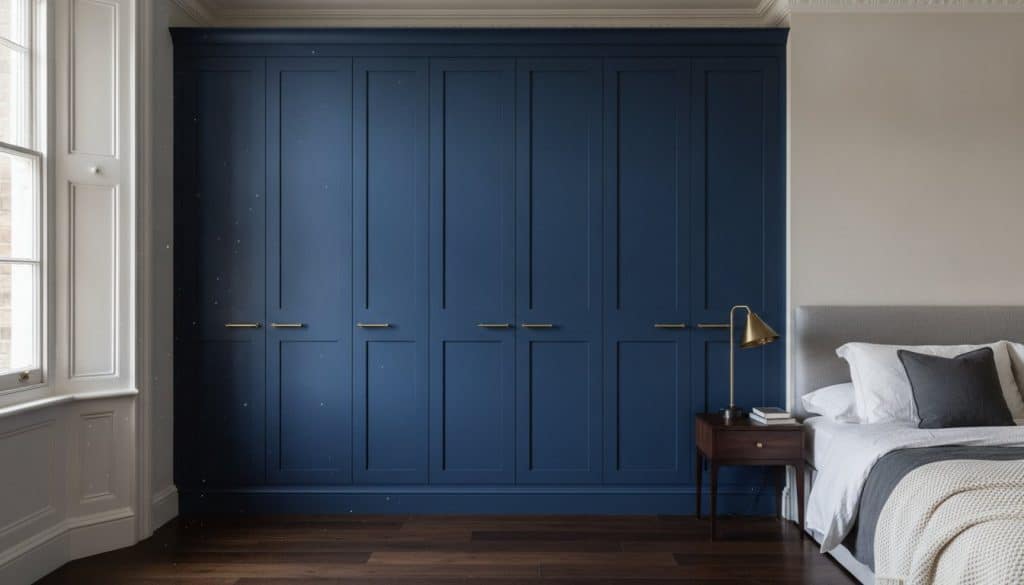
Sophisticated interiors rely on a seamless transition between the visible architecture and the hidden functionality. When you invest in bespoke wardrobe shoe storage, the internal cabinetry should mirror the quality and colour of the external doors. This holistic approach ensures that opening your wardrobe is as much of a design experience as viewing it from across the room. We achieve this by offering hand-sprayed finishes that match your chosen palette exactly, creating an ultra-luxury feel that standard white melamine interiors simply cannot replicate. By treating the interior as an extension of the room’s decor, you elevate the entire dressing experience.
The Mirror Fret Advantage
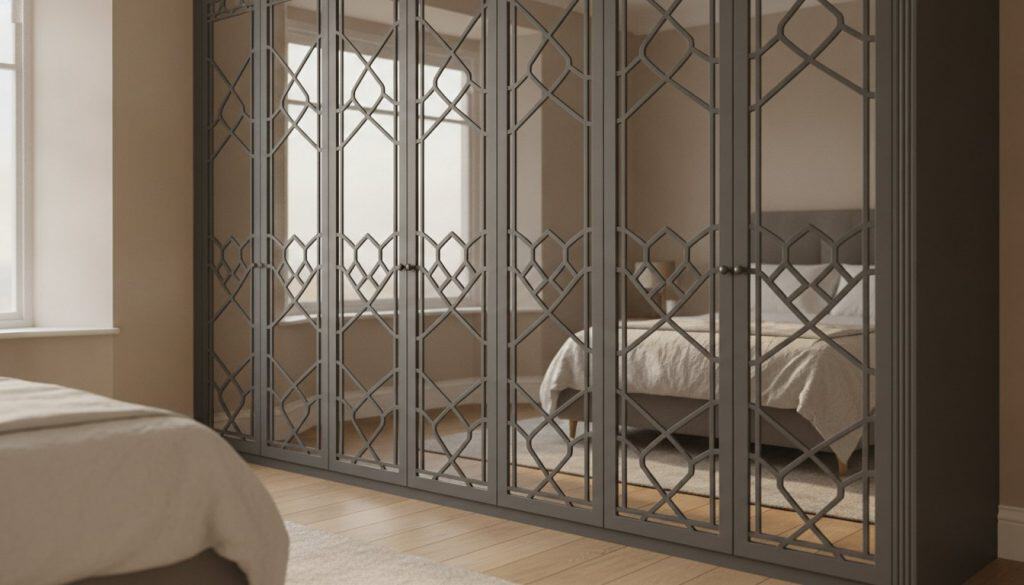
Smaller dressing rooms often benefit from the reflective properties of mirror fret wardrobe doors. These designs serve a dual purpose: they amplify natural light whilst providing a subtle screen for your footwear gallery. The intricate fretwork patterns can be used to either highlight or partially obscure the storage within, depending on the glass transparency chosen. This configuration is particularly effective for daily outfit styling, as it allows you to view your shoes in the context of your full ensemble without moving to a separate full-length mirror. It effectively transforms a standard bedroom footprint into a dedicated dressing suite through clever architectural layering.
Minimalism with Skinny Shaker Styles
For those who prefer a contemporary aesthetic, pairing internal oak or walnut finishes with skinny shaker wardrobe doors provides a timeless yet modern result. The slim 20mm frame of the skinny shaker profile maintains the clean, architectural lines required for a minimalist home whilst housing high-capacity internal storage. We often recommend internal handle-less drawers for these projects to ensure the seamless look continues once the doors are opened. This prevents the interior from feeling cluttered, even when housing dozens of pairs. The skinny shaker remains the preferred choice for 2026 modern interiors because it balances traditional joinery with a minimalist edge.
Achieving this level of integration requires a deep understanding of both material science and spatial design. By colour-matching the internal carousels, shelves, and drawers to the external hand-sprayed finish, we create a unified furniture piece rather than a simple storage unit. If you’re ready to elevate your home with a cohesive design that prioritises both form and function, you can explore our full range of bespoke finishes to find the perfect match for your footwear collection.
Investing in British Craftsmanship: The Wardrobe Door Studio Difference
Choosing a partner for your interior project is a decision that impacts the longevity and value of your home. We manufacture our cabinetry in England, ensuring that every element of your bespoke wardrobe shoe storage meets rigorous quality standards. This local production doesn’t just support traditional joinery; it significantly reduces lead times and allows for absolute precision throughout the manufacturing process. Whilst mass-produced imports often rely on generic sizing, our made-to-measure approach ensures your storage is an exact fit for your property’s unique architecture.
Many clients begin their journey by looking for replacement wardrobe doors made to measure to refresh an existing space. However, they soon discover the transformative potential of a full bespoke interior. Integrating shoe storage into the initial design phase allows for a more cohesive result, where the internal configuration is as durable and well-finished as the exterior. Our professional installation teams ensure that every carcass is perfectly level and secure, which is essential for the smooth operation of high-capacity pull-out systems.
The Durability of Hand-Sprayed MDF
Shoes are inherently high-traffic items. They bring moisture, grit, and the risk of scuffing into your wardrobe environment. Standard laminate or foil-wrapped boards often peel or chip under this pressure. We utilise high-density fibreboard finished with a professional hand-sprayed coating. This process creates a resilient, non-porous surface that resists moisture from damp soles and protects against the impact of heavy footwear. One of the most significant advantages of this finish is its longevity. Should your room’s colour scheme change in future years, these hand-sprayed surfaces can be professionally repainted, ensuring your investment remains timeless.
Your National Installation Journey
A luxury storage solution is only as good as its installation. Our national fitting teams specialise in navigating the complexities of UK homes, from uneven floors to out-of-plumb walls. The process begins with a comprehensive technical survey to confirm every dimension before manufacturing starts in our workshop. Once on-site, our installers ensure that every pull-out rack and slanted shelf is perfectly level and secure. This precision is vital for the smooth operation of soft-close hardware and heavy-duty runners. We finalise each project with high-quality hardware and accessories, providing a finished product that is stable, silent, and built to endure daily use.
Elevate Your Interior with Precision Organisation
Transitioning to a high-end organisation system is about more than simply finding a place for your footwear; it’s an investment in the architectural integrity of your home. By moving away from generic shelving and embracing bespoke wardrobe shoe storage, you ensure that every pair is protected, visible, and celebrated. Whether you prioritise the clean lines of Skinny Shaker doors or the light-enhancing properties of Mirror Fret designs, the result is a unified space that simplifies your daily routine whilst adding tangible property value.
Our commitment to British craftsmanship ensures that every carcass and drawer is hand-sprayed and crafted in England to your exact specifications. With national UK professional installation, we handle the technical complexities of your room’s layout, leaving you with a durable, sophisticated finish that reflects your personal style. It’s time to move beyond the floor and curate a display that truly honours your collection.
Begin your luxury storage transformation with a bespoke design consultation and discover the difference that precision joinery makes to your home. We look forward to helping you create a space that is as functional as it is beautiful.
Frequently Asked Questions
How many pairs of shoes can fit in a standard 1-metre bespoke wardrobe?
A standard 1-metre section typically accommodates between four and five pairs of adult shoes per row. By utilising the full vertical height of a bespoke carcass, you can incorporate multiple levels. For example, a ten-tier configuration could house up to fifty pairs. The final capacity depends on your specific footwear mix; men’s brogues require more width whilst delicate evening pumps allow for a denser layout within your cabinetry.
Is it better to have open shoe shelves or pull-out drawers?
The choice depends on your wardrobe’s depth and your aesthetic preferences. Pull-out drawers are superior for deep cabinetry as they bring the rear items into the light, ensuring no pair is forgotten. Conversely, open slanted shelves are ideal for walk-in dressing rooms where you want to create a boutique-style gallery. We often recommend a hybrid approach to balance high-capacity storage with a sophisticated visual display of your favourite pieces.
Can I add bespoke shoe storage to my existing wardrobe frames?
It’s possible to integrate custom storage elements if your existing frames are structurally sound. However, we specialise in creating entirely new made-to-measure carcasses to ensure every centimetre of your room’s footprint is utilised. This approach allows us to match the internal organisers perfectly with our hand-sprayed finishing and external door styles. Relying on new bespoke wardrobe shoe storage ensures that runners and hardware are perfectly aligned for long-term durability.
What is the ideal height clearance for high-heeled shoes?
High-heeled shoes generally require a vertical clearance of between 15cm and 20cm. For stilettos with significant platforms or taller ankle boots, we recommend increasing this to 25cm to prevent the heels from touching the shelf above. Using adjustable shelving within your bespoke design is the most practical solution. This flexibility allows you to reconfigure the internal layout as your collection evolves or as seasonal footwear changes throughout the year.
How do I prevent my shoes from smelling in a closed bespoke wardrobe?
Effective moisture control and airflow are essential for maintaining a fresh environment. We recommend leaving a small gap between the back of the shelf and the carcass to encourage natural ventilation. Using high-density fibreboard with a non-porous hand-sprayed finish prevents the material from absorbing odours or moisture. Additionally, ensuring shoes are completely dry before they’re placed on their dedicated racks helps preserve both the footwear and the integrity of the cabinetry.
Does bespoke shoe storage increase the resale value of my home?
High-quality fitted furniture is a significant asset that often increases a property’s appeal to prospective buyers. A well-designed dressing room with integrated organisation suggests a level of care and luxury that standard wardrobes can’t match. It transforms a simple bedroom into a functional suite. Because our wardrobes are hand-crafted in England and professionally installed, they represent a permanent architectural improvement that adds tangible value to your home’s interior and overall marketability.
Can you design shoe storage for awkward spaces like under-stairs or sloped ceilings?
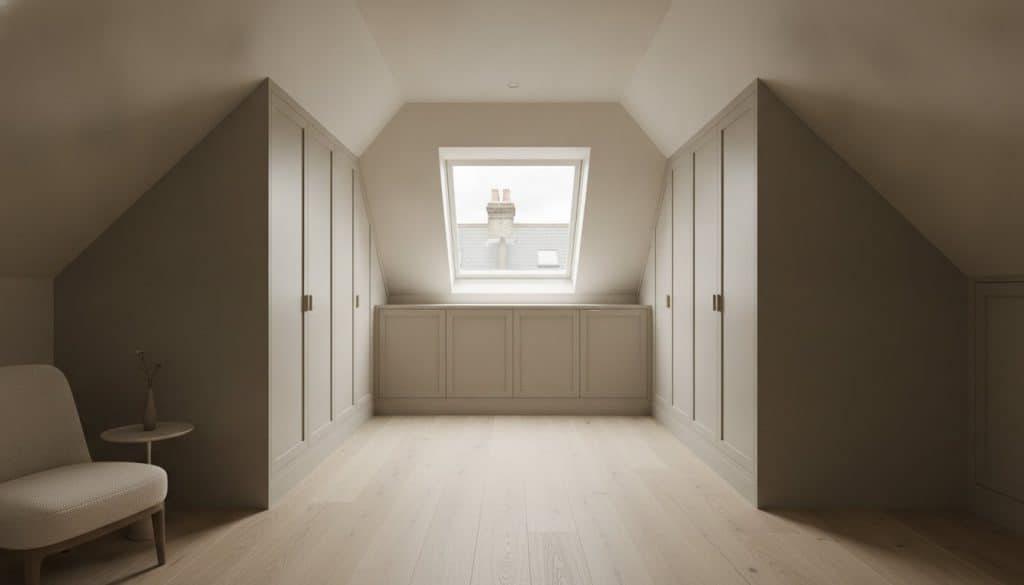
Yes, our made-to-measure carcasses are specifically designed to navigate the challenges of UK homes. We can engineer shoe storage that follows the precise pitch of a sloped ceiling or fits into the narrow depth of an under-stairs alcove. By manufacturing every component to order, we eliminate the “dead space” found in off-the-shelf units. This precision ensures that even the most difficult architectural features are converted into high-capacity, sophisticated storage galleries.
What materials are best for luxury shoe racks to prevent damage?
High-density fibreboard is the professional choice for luxury cabinetry because it provides a perfectly smooth, stable surface for hand-sprayed finishing. Unlike solid wood, it doesn’t warp or crack with temperature changes, which is vital for maintaining the alignment of pull-out runners. A hand-sprayed coating offers superior resistance to scuffs and moisture compared to standard laminates. This ensures your shoe racks remain pristine despite the high-traffic nature of daily footwear organisation.