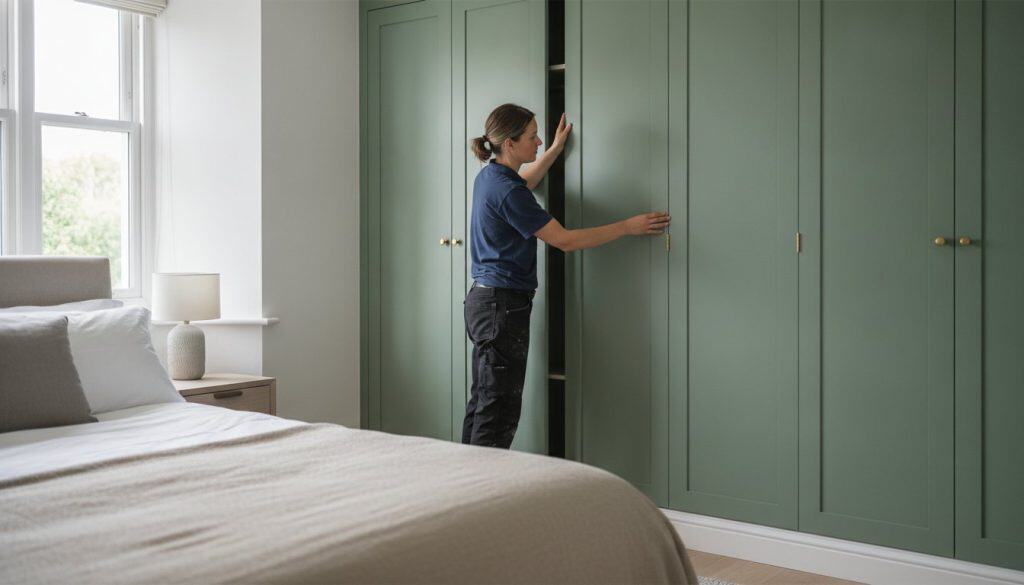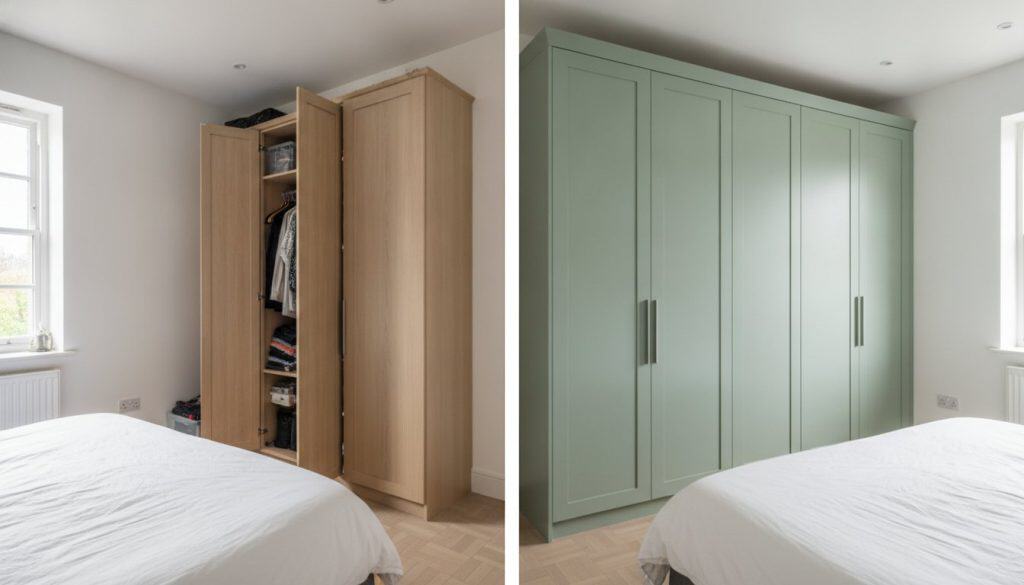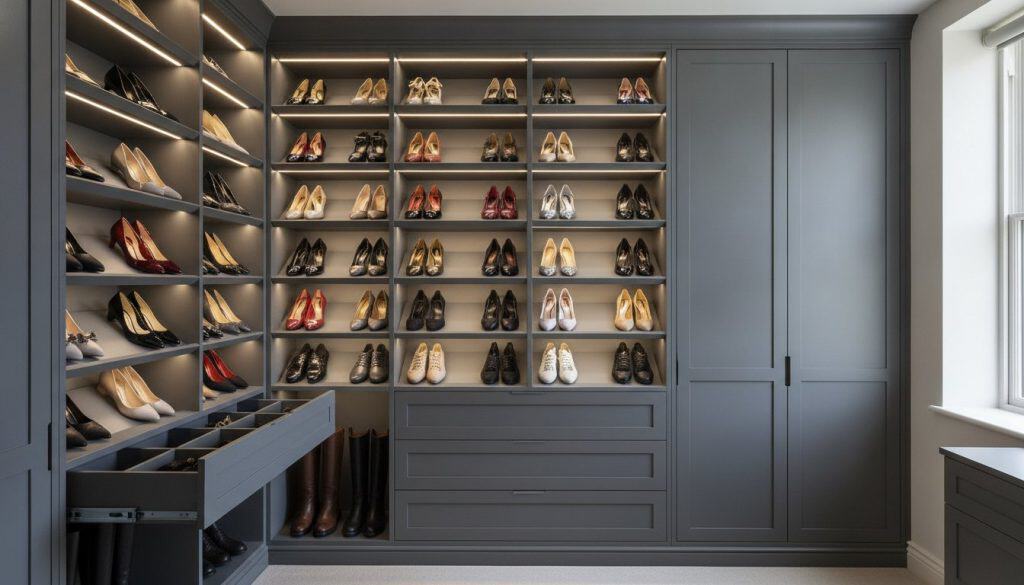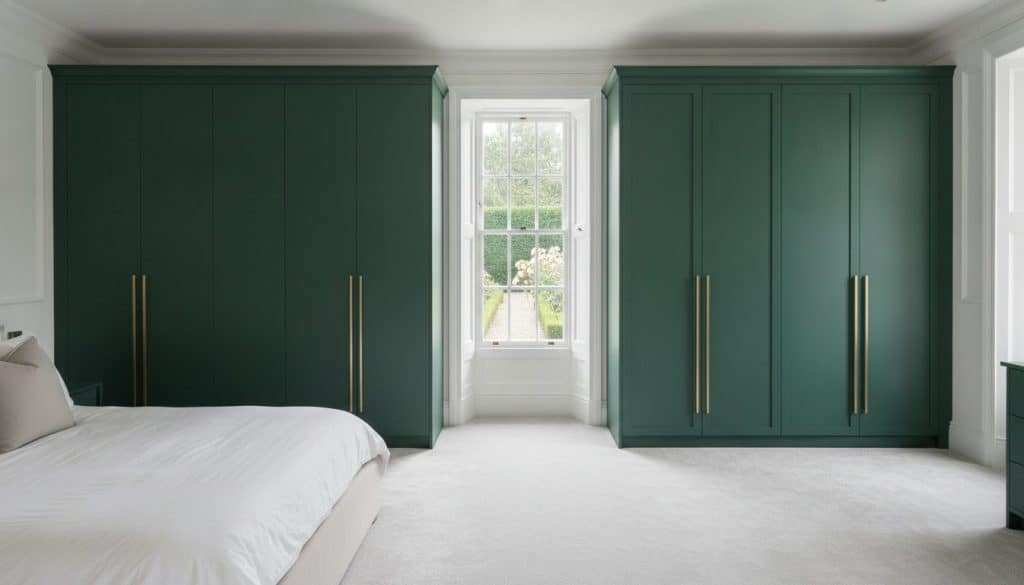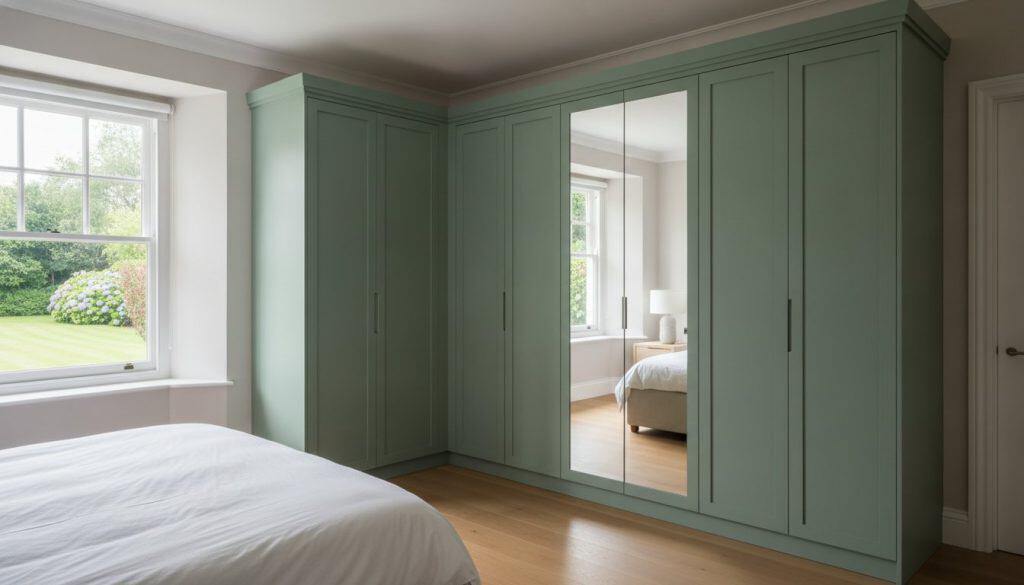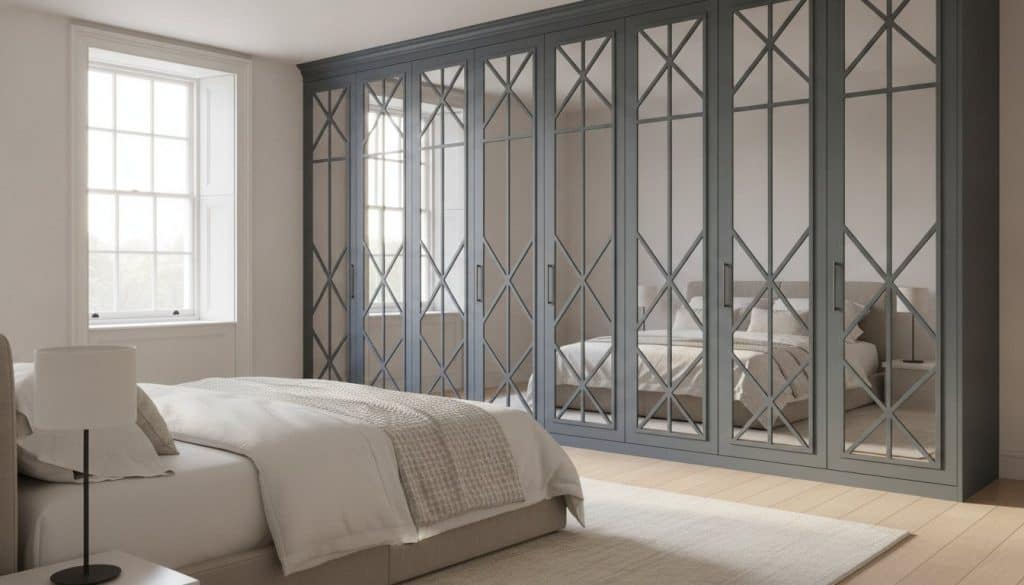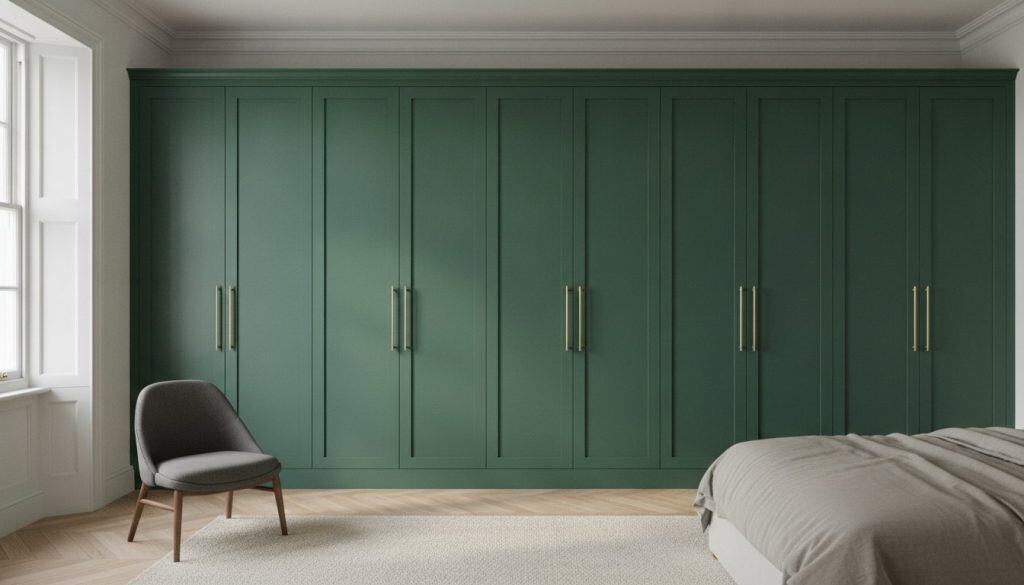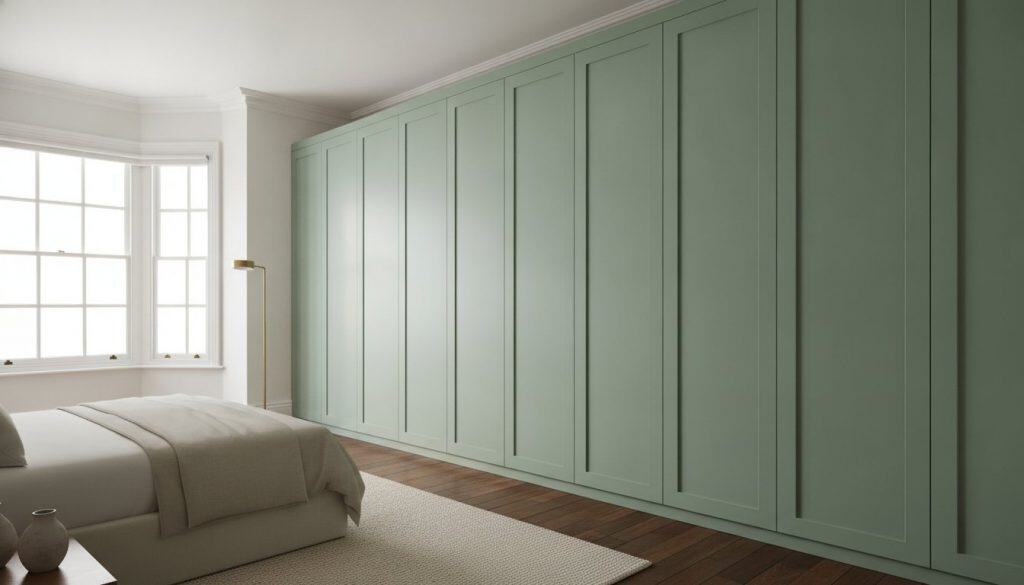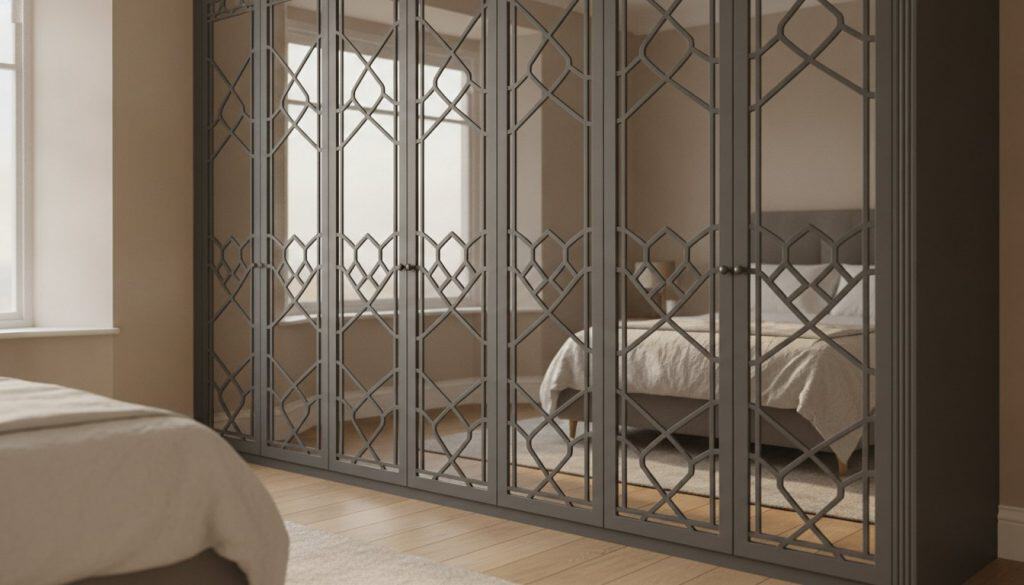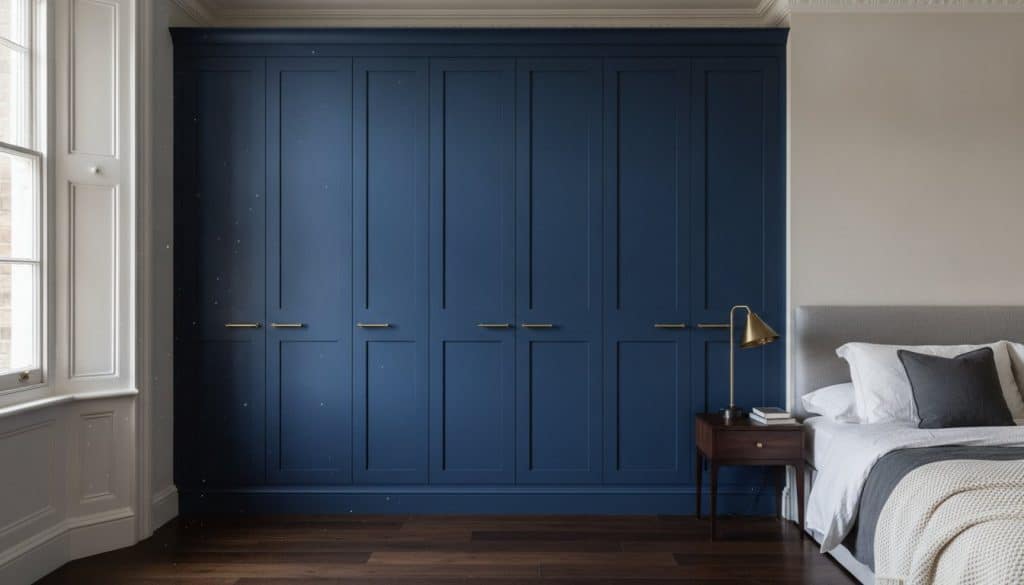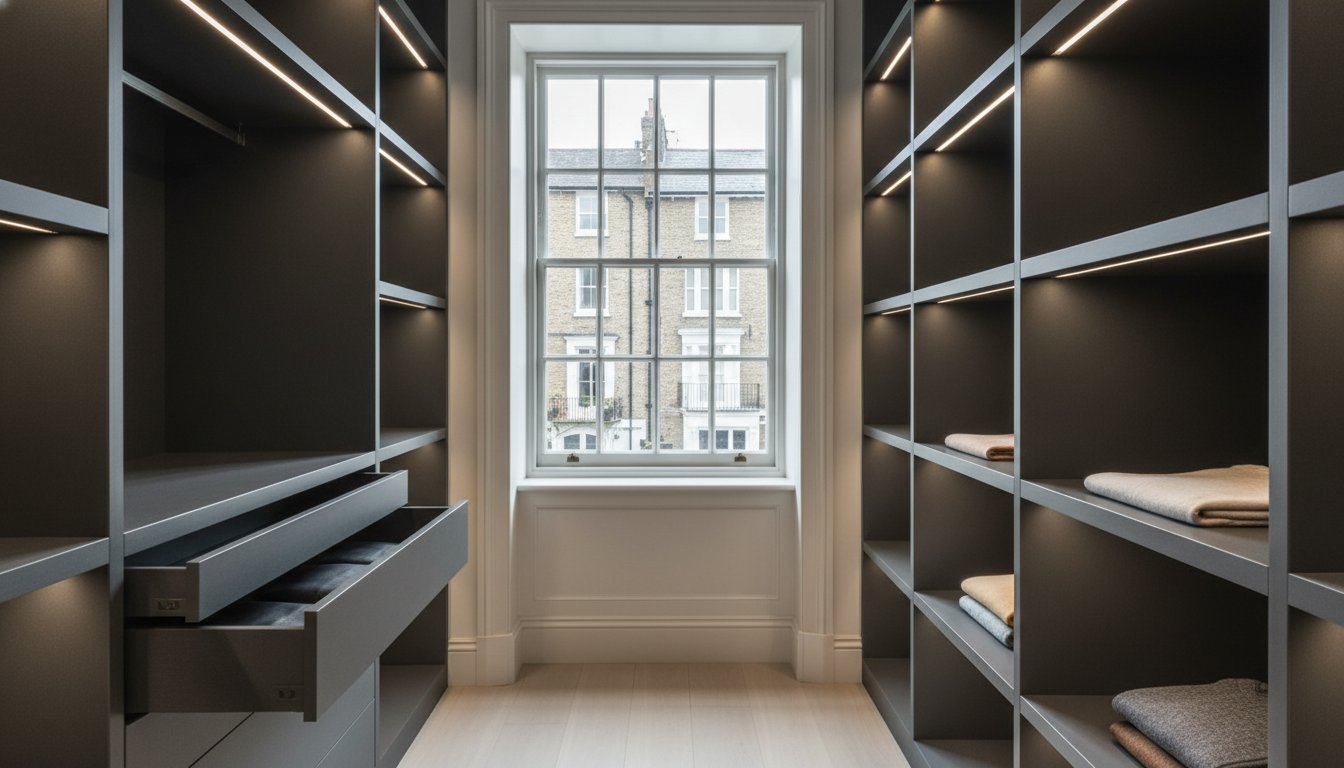
The most expensive bespoke doors in the world cannot hide the disappointment of a wardrobe that sags, peels, or feels flimsy the moment you open it. It’s a common frustration for homeowners who invest heavily in a beautiful exterior, only to find the internal structure feels like a budget afterthought. You deserve a dressing experience that mirrors a high-end boutique every single morning, where the wardrobe interior materials are just as refined as the hand-sprayed finish on the outside.
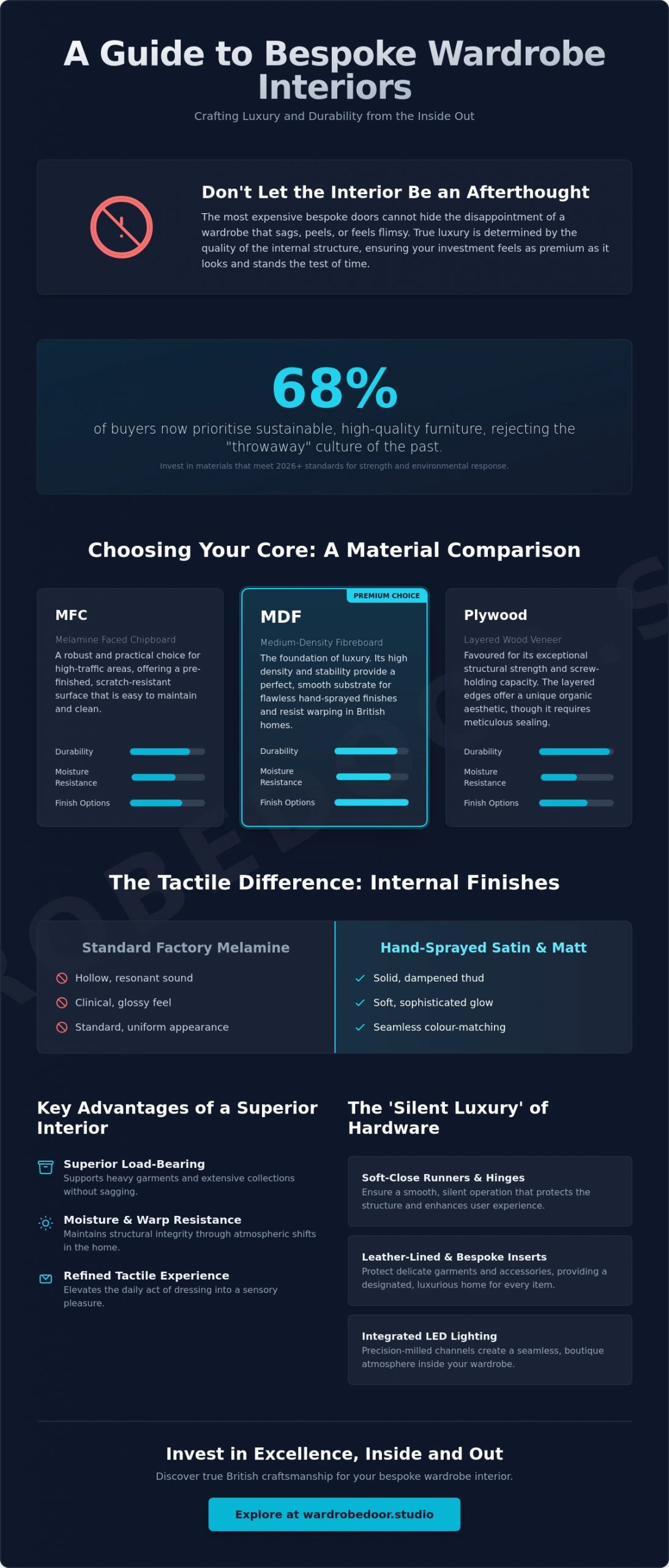
We recognise the confusion that arises when trying to balance durability with a premium aesthetic, particularly as 68 per cent of buyers now prioritise sustainable, high-quality furniture that avoids the “throwaway” culture of the past. This guide will help you identify the high-density substrates and precision-engineered components that prevent warping and ensure your investment stands the test of time. You’ll learn how to select materials that meet the latest 2026 furniture standards for strength and environmental response, ensuring a cohesive look that reflects true British craftsmanship from the inside out.
Key Takeaways
- Understand the critical role of material density in preventing sagging shelves and ensuring the structural longevity of your bespoke installation.
- Compare the performance and aesthetic benefits of MDF, Plywood, and MFC to select the ideal wardrobe interior materials for your specific storage needs.
- Discover how hand-sprayed satin and matt finishes create a tactile, high-end atmosphere that far surpasses the look and feel of standard factory-applied melamine.
- Identify the ‘silent luxury’ of premium hardware, such as soft-close runners and leather-lined inserts, which protect delicate garments whilst enhancing the user experience.
- Recognise the value of UK-based precision manufacturing in achieving a seamless, colour-matched transition between your wardrobe’s interior and its exterior doors.
The Foundation of Luxury: Why Wardrobe Interior Materials Matter in 2026
The internal architecture of a bespoke wardrobe is often overshadowed by its exterior facade, yet it’s the quality of the internal carcass that determines the true value of your investment. In 2026, discerning homeowners recognise that luxury isn’t merely skin deep. High-grade wardrobe interior materials provide the essential structural integrity required to support heavy winter coats and extensive shoe collections without the risk of bowing or misalignment. Choosing a premium substrate like Medium-Density Fibreboard (MDF) ensures a stable, dense foundation that resists the atmospheric shifts common in British homes.
Beyond strength, these materials dictate the sensory experience of the piece. There’s a profound difference between the hollow sound of a budget laminate and the solid, dampened thud of a high-density bespoke internal. Superior materials also eliminate the risk of the ‘musty’ scents often associated with porous, low-grade woods. Instead, they provide a clean, neutral environment that protects delicate fabrics from moisture retention and unpleasant odours. Modern engineering also allows these materials to be precision-milled for integrated features, such as recessed LED lighting channels, which would compromise the strength of lesser alternatives.
Selecting the right internals offers several distinct advantages for the modern home:
- Superior load-bearing capacity for heavy garments and seasonal storage.
- Enhanced resistance to moisture, preventing warping in varying climates.
- Precision-engineered channels for seamless smart home technology integration.
- A refined tactile response that elevates the daily act of dressing.
Beyond the Carcass: Creating a Boutique Atmosphere
The interior of your wardrobe should feel like a private sanctuary. The choice of internal texture significantly influences how light behaves within the space; matt or satin finishes absorb light to create a soft, sophisticated glow, whilst glossier surfaces can feel clinical. This attention to detail transforms a simple storage unit into a boutique dressing room. It’s the primary differentiator between a standard ‘fitted’ cupboard and a truly bespoke piece of furniture. A well-considered interior organises your morning routine, reducing stress through clarity and effortless accessibility.
Durability vs Aesthetics in Modern British Homes
Achieving a high-end look requires a delicate balance between slim, elegant profiles and the ‘heavy-duty’ capacity needed for daily use. 2026 design trends have shifted away from sterile white melamine towards deeper, textured tones like charcoal, oak, or slate, which provide a more luxurious backdrop for clothing. These wardrobe interior materials must be exceptionally resilient to resist scratching from metal hangers or the sharp edges of accessories. By prioritising high-performance internals, you ensure that the wardrobe remains as pristine and functional ten years from now as it was on the day of installation.
Comparing Core Materials: MDF, Plywood, and MFC for Internals
The technical composition of your cabinetry determines how it handles the weight of your wardrobe whilst maintaining a perfectly level finish. Luxury internals rely on high-performance Wood-Based Composite Materials that have been engineered to resist the swelling and contracting typical of natural timber. Choosing the right wardrobe interior materials involves a careful evaluation of how the unit will be used. You must decide whether you prioritise the pristine look of a bespoke painted finish or the rugged, functional durability of a textured surface designed for heavy daily use.
MFC (Melamine Faced Chipboard) serves as a robust choice for high-traffic areas, offering a pre-finished, scratch-resistant surface that’s easy to maintain and keep clean. In contrast, Plywood is favoured for its structural screw-holding strength and the organic beauty of its layered edges, though it requires meticulous sealing to prevent moisture issues in older UK properties. Solid wood remains a rarity for entire internal carcasses due to its tendency to move with temperature changes, yet it’s frequently utilised for premium dovetail drawer boxes to add a sense of heritage and permanence. Each of these wardrobe interior materials offers a different balance of aesthetic appeal and long-term utility.
The Superiority of High-Density MDF for Bespoke Projects
High-density fibreboard offers a significantly more compact structure than standard alternatives, providing the flawless, glass-like surface required for professional hand-sprayed finishing. This density prevents the “orange peel” texture or visible grain often seen on lower-quality boards when paint is applied. High-density MDF is the preferred choice for replacement wardrobe doors made to measure because its uniform density allows for intricate machining and deep routing without compromising the board’s structural integrity or finish quality.
When to Choose Veneered Boards for a Natural Look
Veneered MDF provides the best of both worlds by bonding a thin layer of real Oak or Walnut to a stable, high-density fibreboard core. This prevents the warping and splitting common in solid planks whilst delivering the authentic warmth and unique grain patterns of natural timber. These internals coordinate beautifully with skinny shaker wardrobe doors, creating a sophisticated contrast between the modern exterior and a classic, wood-toned interior. It’s a choice that reflects a commitment to traditional aesthetics without sacrificing the precision of modern engineering. You can explore our full range of custom combinations at the Wardrobe Door Studio.
Tactile Finishes: Elevating the Internal Aesthetic with Colour and Texture
Whilst the structural core provides the foundation, the finish of your wardrobe interior materials defines the atmosphere of your dressing room. Most commercial wardrobes rely on factory-applied melamine, which often leaves visible seams and a generic, plastic feel. In contrast, a bespoke approach utilises hand-sprayed finishes to create a velvety, continuous surface that feels as premium as it looks. Selecting a matt or satin sheen level is particularly effective for internals; these finishes diffuse light gently, preventing the harsh glare often associated with high-gloss materials. This subtle diffusion of light ensures that the focus remains on your clothing rather than the cabinetry itself.
For those seeking a multi-sensory experience, modern textured laminates offer a sophisticated alternative to traditional paint. These wardrobe interior materials can mimic the intricate weave of linen, the softness of leather, or the cool touch of stone. These textures add an unexpected layer of luxury, ensuring that every interaction with your wardrobe feels deliberate and refined. This approach turns a simple storage solution into a cohesive, high-end dressing experience that matches the quality of the finest boutique hotels.
The Luxury of Hand-Sprayed Internals
A hand-sprayed internal finish offers a level of customisation that factory-bonded boards simply cannot match. By using modern Acid Catalyst (AC) paints, we create a surface that is exceptionally resistant to the daily friction of hangers and sliding drawers. This process ensures a perfect colour match between the carcass and the doors, eliminating the disjointed look of mismatched whites or wood effects. Unlike standard plastic edging that can peel over time, a sprayed finish wraps the material in a durable, seamless coat. For a deeper understanding of how different wood types react to these finishes, the Wood Handbook provides extensive data on the physical properties and finishing characteristics of various species used in high-end cabinetry.
Internal Colour Palettes: From Scandi-Light to Moody Tones
The internal colour palette you choose significantly impacts both the functionality and the mood of the space. Using light grey or warm oak interiors is a strategic choice for floor to ceiling wardrobes, as these tones reflect light into the deepest corners, making it easier to distinguish between dark garments. However, the ‘Dark Luxury’ trend continues to gain momentum in 2026. Navy, anthracite, and deep forest green internals create a dramatic, gallery-like backdrop that makes your clothing “pop” the moment the doors are opened. We recommend choosing a colour that complements your most frequent clothing tones to ensure a harmonious visual experience every morning.
Hardware and Integrated Materials for a Seamless Dressing Experience
Precision hardware is the mechanical soul of a bespoke installation. Whilst the carcass provides the volume, the hardware provides the rhythm of the room. High-performance soft-close hinges and under-mounted drawer runners are essential components of modern wardrobe interior materials, offering what designers call “silent luxury.” These systems ensure that even the heaviest solid-oak drawer boxes glide effortlessly and close with a dampened, whisper-quiet motion. This tactile reliability is a hallmark of quality that distinguishes professional craftsmanship from mass-produced alternatives.
Beyond the metalwork, luxury is found in the integration of softer, protective materials. Leather-lined drawer inserts provide a cushioned surface for delicate items like watches and jewellery, whilst also dampening the sound of items being placed inside. For hanging space, standard chrome rails are increasingly replaced by decorative material accents such as brushed brass or black powder-coated steel. These choices serve as visual anchors, coordinating with external handles to create a unified design language throughout the piece. Every element, from the rail to the runner, must be selected for its ability to withstand decades of daily use without losing its refined feel.
The Role of Glass in Modern Wardrobe Interiors
Glass is a transformative material for deep or dark units, as it allows light to penetrate through multiple levels of storage. Using tinted or smoked tempered glass for shelf inserts or drawer fronts creates a “boutique” display aesthetic, making it easier to locate specific items at a glance. Safety is a non-negotiable priority; therefore, we only utilise high-strength tempered glass that meets current UK safety standards. These transparent elements are particularly effective in fitted wardrobes for sloped ceilings, where they help maintain a sense of openness in potentially cramped loft spaces.
Integrated Lighting: The Materiality of Light
Modern lighting is no longer an optional add-on but a fundamental material consideration. Recessed LED strips are housed within slim aluminium channels, which serve the dual purpose of providing a clean finish and acting as a heat sink for the electronics. Sensor-activated systems ensure the interior is illuminated the moment a door is opened, creating an effortless user experience. We pay close attention to colour temperature, typically recommending 3000K to 4000K (Kelvin) to ensure your clothing is displayed in its truest light. This precision prevents the colour distortion often caused by standard domestic bulbs. As explored in our comprehensive guide to bespoke fitted wardrobes, integrated LED lighting has now become a defining feature of truly immersive, architectural storage spaces. To see how these integrated materials come together, you can explore our bespoke fitted wardrobes and hardware options.
Investing in Excellence: The Wardrobe Door Studio Interior Philosophy
The internal structure of a wardrobe is the silent partner to its aesthetic appeal. At Wardrobe Door Studio, we believe that the choice of wardrobe interior materials is just as critical as the selection of the doors themselves. Whilst off-the-shelf carcasses often rely on low-density particleboard that is prone to sagging, our bespoke carcasses are engineered from high-performance materials designed for permanent stability. We maintain absolute precision control over every component; this ensures that your storage remains as beautiful inside as it is on the outside.
Our commitment to national UK manufacturing allows us to oversee every stage of production, from the initial milling to the final hand-sprayed finish. This proximity ensures that the latest furniture standards for material durability and environmental impact are strictly met. By choosing a locally manufactured product, you avoid the uncertainties of long-distance shipping and gain a partner who understands the specific requirements of British architecture. Our wardrobe design service is crafted to guide you through these technical choices, helping you curate a material combination that reflects your personal style.
Ultimately, the longevity of your wardrobe depends on how these materials are brought together. Even the finest substrates require professional wardrobe installation to ensure every rail is level and every drawer glides perfectly. Our fitters treat the internal carcass with the same meticulous care as the hand-sprayed doors, resulting in a seamless, high-end finish that stands the test of time.
British Craftsmanship and Material Sourcing
We exclusively source high-density substrates that resist the common pitfalls of budget alternatives, such as peeling edges or moisture retention. Our UK-based hand-spraying facility provides a level of depth and durability that factory-bonded boards cannot achieve, using high-quality paints that are safer for your home environment. Whilst the cost of bespoke wardrobes uk reflects the quality of these premium wardrobe interior materials, it represents a long-term investment in the value and functionality of your property.
Next Steps for Your Wardrobe Project
Selecting the right materials is a tactile process. We encourage you to request material samples to experience the weight and texture of our high-density boards and hand-sprayed finishes firsthand. Once you have felt the quality, you can book a consultation to discuss how to optimise your internal configuration for your specific storage needs. Our experts are ready to translate your vision into a precision-engineered reality. Enquire about your bespoke wardrobe project today and begin the journey toward a truly sophisticated dressing experience.
Crafting Your Ultimate Bespoke Dressing Experience
The journey to a truly high-end wardrobe begins long before the final doors are fitted. By prioritising superior wardrobe interior materials, you’ll ensure your storage is as resilient as it is refined. We’ve explored how high-density substrates prevent the structural failures common in budget alternatives, whilst hand-sprayed finishes and precision hardware create a sensory experience that standard melamine simply can’t replicate. These considered details transform a simple storage unit into a purposeful, boutique architectural feature that enhances your home’s daily flow.
Our team specialises in bespoke made-to-measure carcasses that are meticulously hand-sprayed in England to match your exact aesthetic requirements. We provide nationwide UK delivery and professional installation to ensure every component is fitted with the precision and care it deserves. Design your dream wardrobe with our bespoke experts today to discover how premium internals can redefine your morning routine. Your home deserves the enduring value and sophisticated elegance of authentic British craftsmanship.
Frequently Asked Questions
What is the most durable material for wardrobe interiors?
High-density MDF and MFC are widely considered the most durable choices for modern cabinetry. High-density MDF provides a solid, uniform core that resists warping, whilst MFC offers a pre-bonded, scratch-resistant surface ideal for heavy use. These wardrobe interior materials are engineered to withstand the atmospheric changes of a UK home, ensuring the carcass remains structurally sound for decades without the splitting risks associated with solid timber.
Is MDF or Plywood better for the inside of a wardrobe?
The choice depends on your desired finish and structural requirements. MDF is superior for achieving a flawless, hand-sprayed finish due to its perfectly smooth surface and lack of grain. Plywood offers excellent screw-holding strength and a distinctive layered aesthetic, but it can be more susceptible to moisture if not sealed correctly. For a truly bespoke, colour-matched interior, high-density MDF remains the professional gold standard for luxury applications.
Should the wardrobe interior match the door colour?
Matching the interior to the door colour creates a seamless, monolithic look, but contrasting colours often signal a higher level of bespoke design. Using a lighter interior colour, such as soft grey or warm oak, improves visibility and makes the wardrobe feel more spacious. Alternatively, a dark, moody interior provides a dramatic backdrop that makes your clothing the centre of attention. The choice should reflect your personal style and room lighting.
How thick should bespoke wardrobe shelves be to prevent sagging?
Bespoke wardrobe shelves should ideally be 18mm thick for standard spans, but 25mm or 30mm is recommended for wider sections to prevent sagging. This increased thickness provides the necessary rigidity to support heavy coats or stacked knitwear over time. Using high-density wardrobe interior materials further enhances this load-bearing capacity, ensuring your shelves remain perfectly level and aesthetically pleasing regardless of the weight they carry throughout their lifespan.
What are the benefits of using veneered MDF for wardrobe internals?
Veneered MDF combines the organic beauty of real wood with the superior stability of an engineered core. It allows you to enjoy the warmth of Oak or Walnut grain without the warping and movement issues inherent in solid wood planks. This material is particularly effective for luxury internals, providing a premium tactile experience whilst ensuring the wardrobe carcass remains perfectly aligned in varying temperatures and humidity levels common in British homes.
Can I use glass for internal wardrobe shelves safely?
Glass can be used safely for internal shelving provided it is toughened or tempered to meet UK safety regulations. This material is excellent for improving light flow in deep units and creating a boutique-style display for accessories. We recommend using 6mm or 8mm tempered glass with polished edges, which provides ample strength for shoes or folded items whilst adding a modern, transparent layer to your bespoke storage configuration.
Why is MFC often used for wardrobe carcasses?
MFC is frequently used for wardrobe carcasses because it is exceptionally cost-effective, durable, and comes pre-finished in a wide range of textures. The melamine surface is bonded to a chipboard core, creating a scratch-resistant and easy-to-clean environment for your clothing. It’s a practical choice for high-traffic internals, providing a consistent finish that requires no additional painting or sealing after the professional installation is complete, saving both time and labour.
How do I clean and maintain different wardrobe interior materials?
Most internal materials require minimal maintenance beyond a regular wipe with a soft, dry cloth. For hand-sprayed surfaces or MFC, use a slightly damp cloth with a mild, non-abrasive detergent to remove dust or marks. Avoid using excessive water or harsh chemical cleaners, as these can damage the finish or cause the core material to swell. Keeping the interior dry and well-ventilated is the best way to preserve its longevity and appearance.