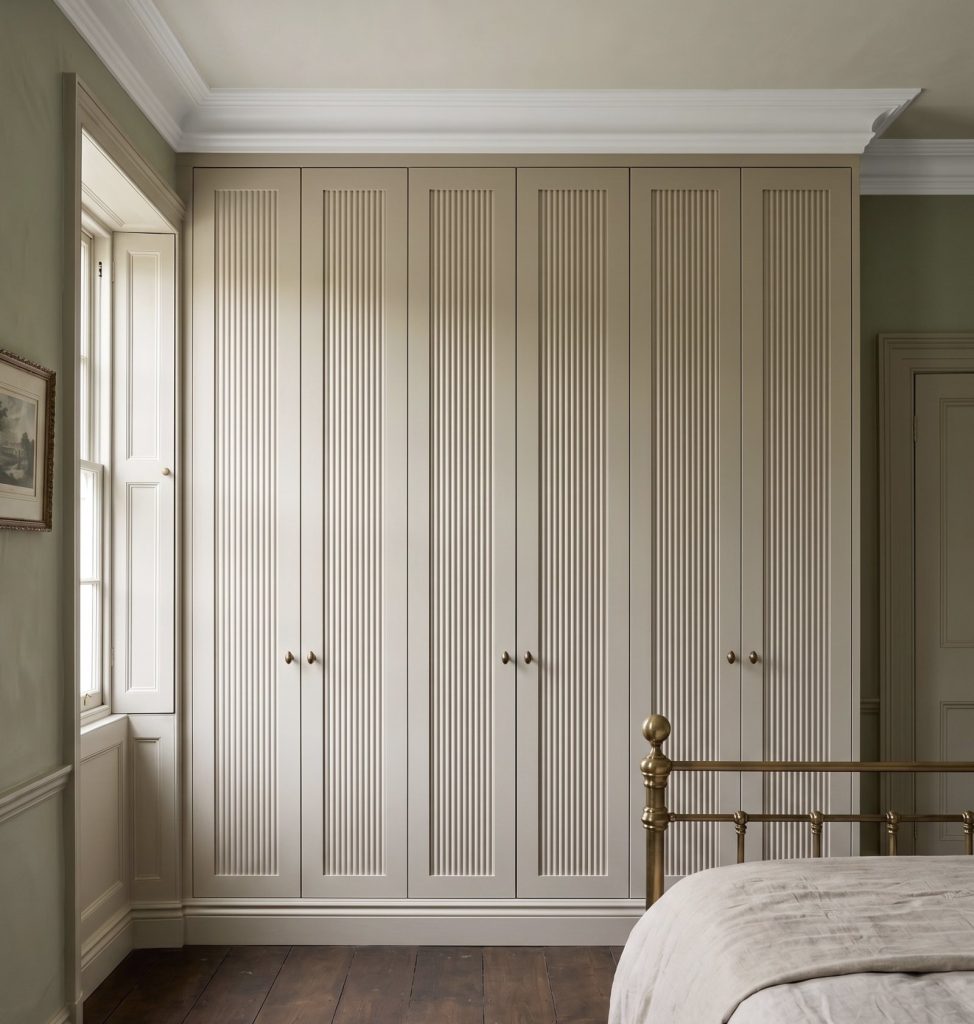
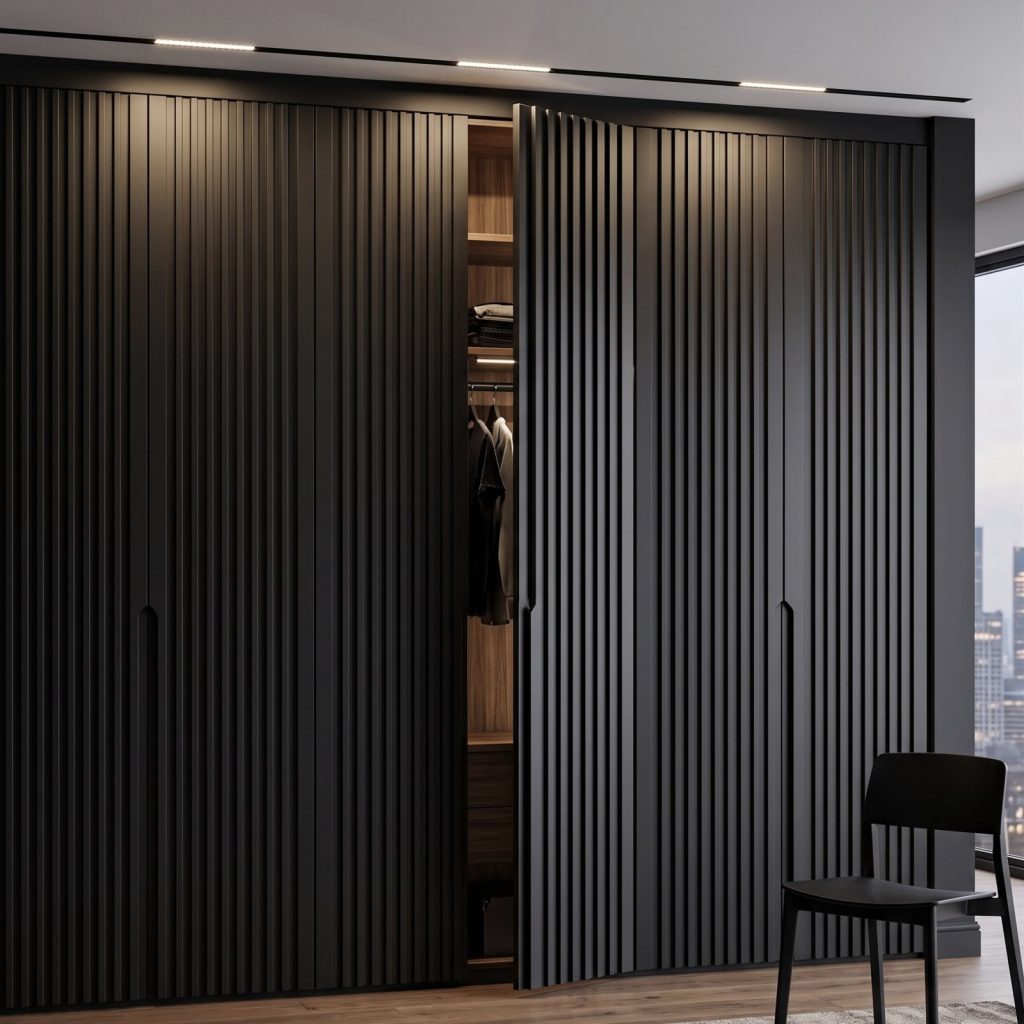
The gap between the top of a wardrobe and the ceiling is more than just a missed storage opportunity; it is a design failure that compromises the architectural integrity of your home. Standard modular units often leave these awkward voids, creating a magnet for dust and a visual break that prevents a truly luxurious finish. By investing in floor to ceiling fitted wardrobes, you eliminate these unsightly gaps and replace them with a seamless, built-in aesthetic that feels like a permanent part of your room’s structure.
We agree that your bedroom should feel like a curated sanctuary rather than a collection of mismatched furniture that doesn’t quite fit your space. This 2026 guide promises to show you how to eliminate wasted vertical space and achieve a flawless, luxury aesthetic with custom-made storage. You will learn about the precision of hand-sprayed finishes, the benefits of maximised seasonal storage, and how bespoke design creates a high-end look that modular alternatives simply cannot match.
Key Takeaways
- Learn why floor to ceiling fitted wardrobes are essential for eliminating dust traps and creating a cleaner, more hygienic bedroom environment.
- Understand the technical importance of professional site surveys and scribing techniques to ensure a seamless fit against uneven ceilings and floors.
- Discover the significant quality difference between mass-produced modular units and the enduring value of high-density, hand-sprayed finishes.
- Explore how vertical design elements, such as Skinny Shaker and Mirror Fretwork, can enhance room proportions and maximise natural light.
- Gain insight into the British manufacturing process that ensures your bespoke cabinetry is crafted with meticulous precision from concept to completion.
Why Floor to Ceiling Fitted Wardrobes are the Standard for 2026
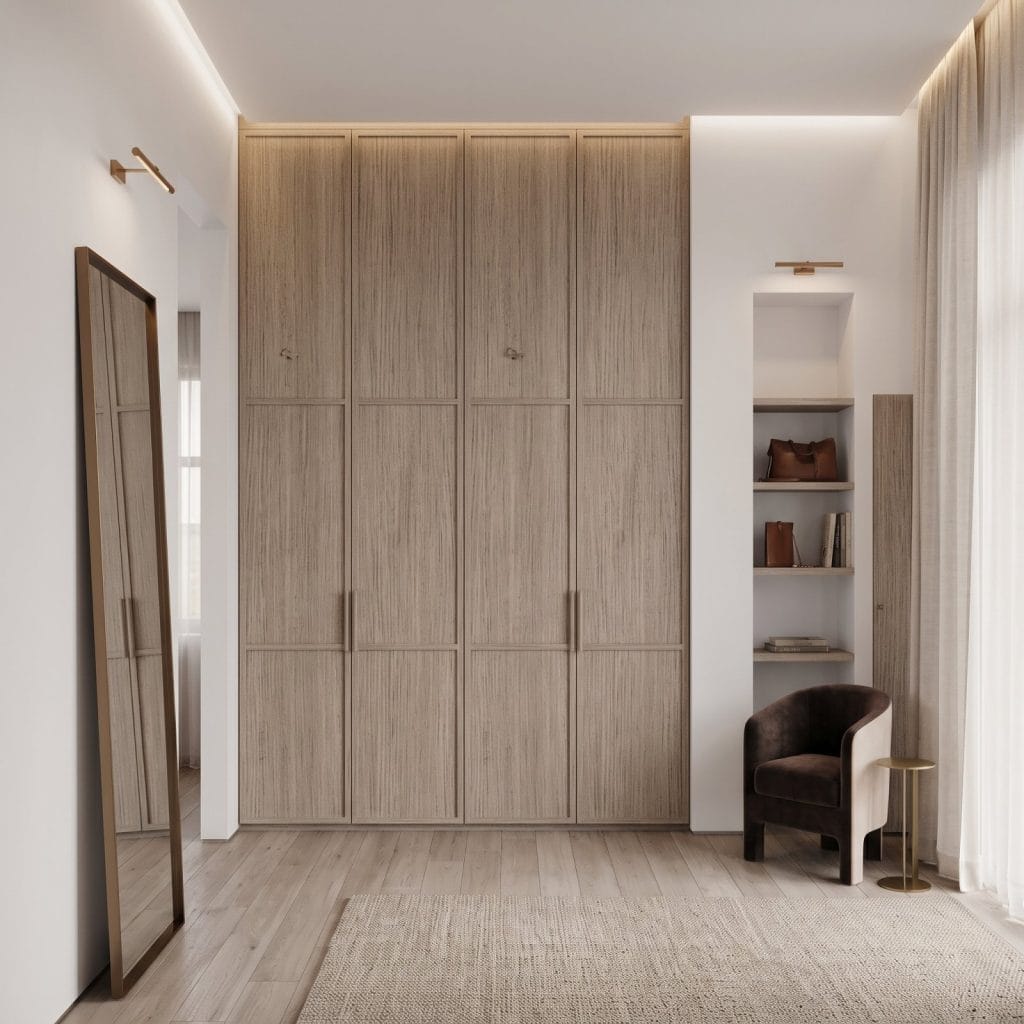
In 2026, the definition of luxury in the home has shifted from mere decoration to architectural precision. True floor to ceiling fitted wardrobes are defined by cabinetry that meets the ceiling with absolute accuracy, removing the need for unsightly decorative filler gaps. This level of detail requires a sophisticated understanding of the engineering of a seamless finish, where the furniture becomes an extension of the room’s bones rather than an afterthought. Standard modular units, typically 200cm or 236cm in height, inevitably fail modern standards because they create a “dust trap” above the unit. This unreachable void is a hygiene hazard and a visual distraction that breaks the vertical lines of a room. By contrast, a floor-to-ceiling design elongates the space, drawing the eye upward and creating an illusion of height that makes even modest rooms feel grand.
The movement towards permanent, architectural cabinetry marks a departure from the “fast furniture” culture of previous decades. Homeowners now prioritise enduring value and bespoke craftsmanship over temporary fixes. This shift isn’t just about aesthetics; it’s about making a deliberate investment in the home’s fabric. A wardrobe that spans the full height of the wall isn’t just a storage box; it’s a structural enhancement that improves the proportions of the interior whilst providing unparalleled utility.
Eliminating the Modular Gap
Modular systems often leave between 20cm and 40cm of wasted, hard-to-clean space at the top. In a typical British home, this gap is where clutter accumulates and dust settles, often becoming a neglected corner of the room. By choosing a bespoke approach, you can integrate your storage with existing coving and skirting boards for a truly “built-in” look. The psychological benefit is profound. A seamless environment reduces visual noise and fosters a sense of calm that modular systems simply cannot replicate. It’s about reclaiming that lost space and turning a potential eyesore into a clean, architectural feature.
Maximising Vertical Storage Capacity
Vertical storage is the most intelligent way to increase capacity without sacrificing floor space. This is particularly vital in small UK bedrooms where every square centimetre is precious. By utilising the “top tier” of bespoke fitted wardrobes, you gain a dedicated area for seasonal items like winter bedding, heavy coats, and suitcases. It’s a far more efficient solution than increasing the wardrobe’s footprint. Instead of cramping the room with deeper or wider units, you simply make better use of the volume that is already available within your floor to ceiling fitted wardrobes. This approach ensures your daily-use items remain at eye level whilst long-term storage is kept neatly out of sight but within easy reach.
The Engineering of a Seamless Finish: No Gaps, No Fillers
True floor to ceiling fitted wardrobes are an exercise in precision engineering. Unlike modular units that sit on a floor and hope for the best, bespoke cabinetry acknowledges the architectural reality that no room is perfectly square. A professional site survey is the foundation of this process. It accounts for the subtle slants and dips in your ceiling and floor that are invisible to the naked eye but ruin a finish if ignored. Without this initial data, achieving a flush look is impossible.
Master fitters use scribing techniques to ensure a flawless connection. This involves carefully trimming panels to follow the exact, often irregular, contour of your ceiling. The result is a wardrobe that looks as though it was cast into the room rather than simply placed there. To achieve this flush aesthetic, the external door height often exceeds the internal carcass height. This clever design hides the structural gap required for installation, presenting a continuous surface of hand-finished timber or glass. This structural integrity is paramount; ensuring tall doors remain stable and perfectly aligned over time requires high-density materials and expert calibration.
Precision Measurement and Levelling
The debate between Bespoke vs. Modular often centres on this technical execution. Modular frames are rigid and unforgiving. Bespoke design, however, uses high-density materials to ensure that doors reaching 2.4 metres or higher remain stable. If you are working with existing frames, drafting the perfect replacement wardrobe doors made to measure is the most effective way to correct past design errors and achieve that modern, seamless look. This approach allows you to correct for uneven floors whilst maintaining the elegant proportions of floor to ceiling fitted wardrobes.
Integrated Coving and Plinth Details
A truly seamless finish requires a thoughtful approach to coving and plinths. You can choose to scribe your wardrobes directly to the ceiling or opt for a contemporary “shadow gap” that creates a crisp, recessed line. Both methods allow for the integration of ceiling-mounted services, such as lighting or ventilation, without breaking the visual flow. This level of planning ensures your storage feels like an original part of the house. If you are ready to elevate your interior, you might explore our bespoke design services to see how these engineering principles apply to your specific space. It’s about creating a permanent architectural feature that adds value to your property whilst providing exceptional utility.
Bespoke vs. Modular: Why Standard Heights Fall Short
Modular systems are designed for the average, not the exceptional. Most mass-produced wardrobes, such as the ubiquitous IKEA PAX system, are restricted to a maximum height of 236cm. Whilst this might seem substantial, most modern UK homes feature ceilings that sit between 240cm and 260cm, with period properties often reaching much higher. This discrepancy leaves a significant gap that compromises the room’s visual flow. Choosing floor to ceiling fitted wardrobes ensures that your furniture is built to the unique specifications of your home rather than a factory template. This shift moves your interior away from temporary “fast furniture” and towards permanent architectural value. Unlike modular units that are often discarded during a move, bespoke cabinetry is a structural improvement that adds genuine property value.
The internal flexibility of a bespoke system is equally vital. Modular units rely on fixed holes and standard shelving widths, forcing you to adapt your belongings to the furniture. With a custom build, every drawer, rail, and pigeonhole is designed around your specific inventory. Whether you need extra height for evening gowns or specialised compartments for a watch collection, the internal configuration is as precise as the external finish.
The “Infill” Aesthetic vs. True Bespoke
When modular systems attempt to reach the ceiling, they usually rely on large “blanking” or infill panels. These are static pieces of timber used to plug the gap above the wardrobe, often resulting in a fragmented and clunky appearance. True bespoke design avoids this “patched-together” look by utilising full-height doors. These continuous vertical lines create a cleaner, more minimalist silhouette that draws the eye upward. The impact of a single, uninterrupted door reaching the ceiling immediately elevates the feel of the room, signalling a level of luxury and intentional design that fragmented modular systems simply cannot replicate.
Material Superiority and Durability
The materials found in mass-produced wardrobes are typically lightweight melamine or foil wraps. Whilst cost-effective, these materials lack the structural integrity required for tall doors, which are prone to warping or peeling in humid environments. We utilise high-density fibreboard, providing the necessary rigidity to ensure doors reaching 2.4 metres or higher remain perfectly straight over time. This superior substrate is the perfect canvas for the art of hand-sprayed wardrobe finishing, which offers a depth of colour and a tactile quality that mass-produced finishes lack. To support the increased weight of these premium materials, bespoke floor to ceiling fitted wardrobes utilise high-specification hinges. These are engineered to handle heavy-duty use, ensuring your doors remain perfectly aligned for decades to come.

Elevating the Aesthetic: Skinny Shaker and Mirror Fret Styles
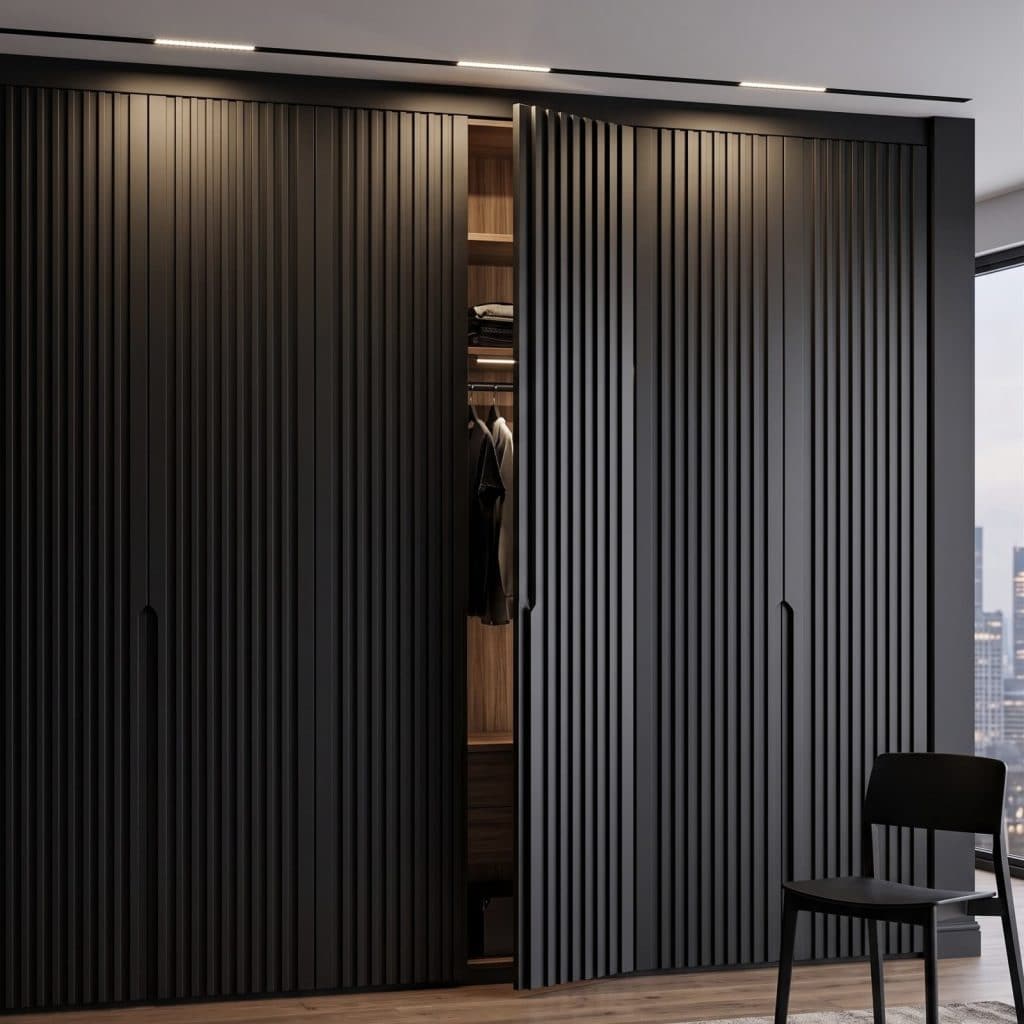
The vertical scale of floor to ceiling fitted wardrobes offers a unique opportunity to define a room’s character. When cabinetry spans the full height of a wall, the design language you choose becomes the dominant visual element. This isn’t merely about selecting a door style; it’s about understanding how verticality influences proportions. For 2026, the trend moves away from chunky, traditional profiles towards more refined, slender lines that complement the height without overwhelming the architecture. By using the full vertical plane, you can create a sense of rhythm and balance that modular units simply cannot achieve.
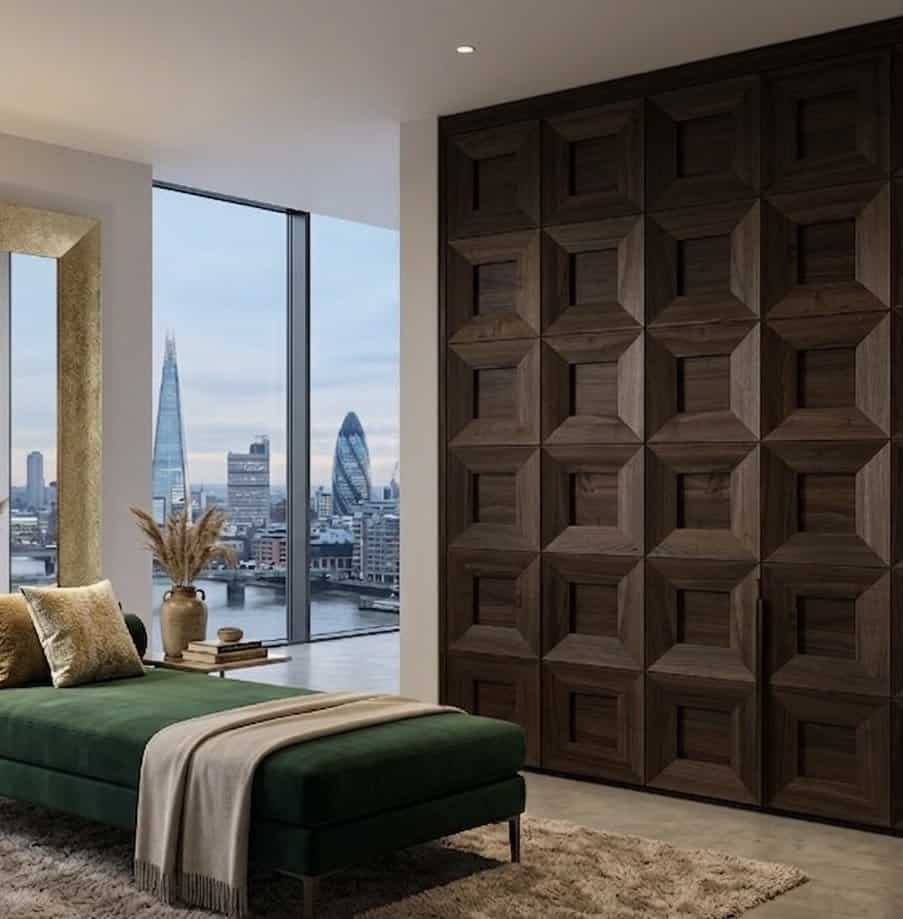
Colour selection for such large-scale cabinetry requires a disciplined approach. Whilst neutral palettes like soft greys or off-whites allow the wardrobes to blend into the room’s structure, bold statement colours are increasingly favoured to create a sophisticated focal point. Handle placement is equally critical to the final look. For tall doors, hardware should be positioned to respect the vertical scale, often placed at a central ergonomic height that maintains the flow whilst ensuring ease of use. Every detail, from the palette to the handles, should work in harmony to enhance the architectural feel of the space.
The Skinny Shaker: A Modern Vertical Classic
The slim 20mm frame of skinny shaker wardrobe doors is perfectly suited for tall units. Traditional shaker styles can sometimes feel heavy when extended to 2.4 metres or more, but the skinny profile maintains a contemporary, lightweight feel. This style is particularly effective at bridging the gap between modern minimalism and traditional architectural features like high ceilings or ornate coving. Pairing these slimline profiles with hand-sprayed matt finishes creates a tactile, premium surface that catches the light subtly, enhancing the vertical lines of your floor to ceiling fitted wardrobes.
Mirror Fretwork: Luxury and Light
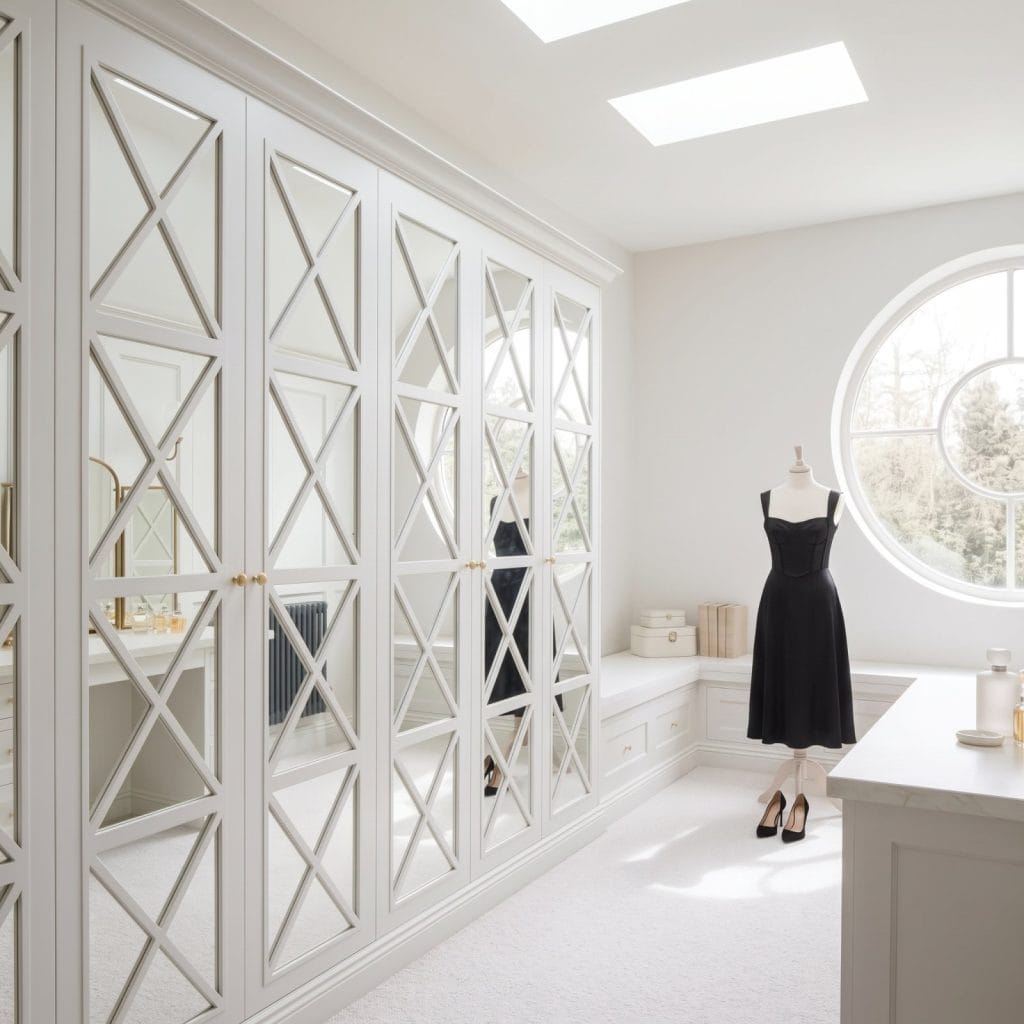
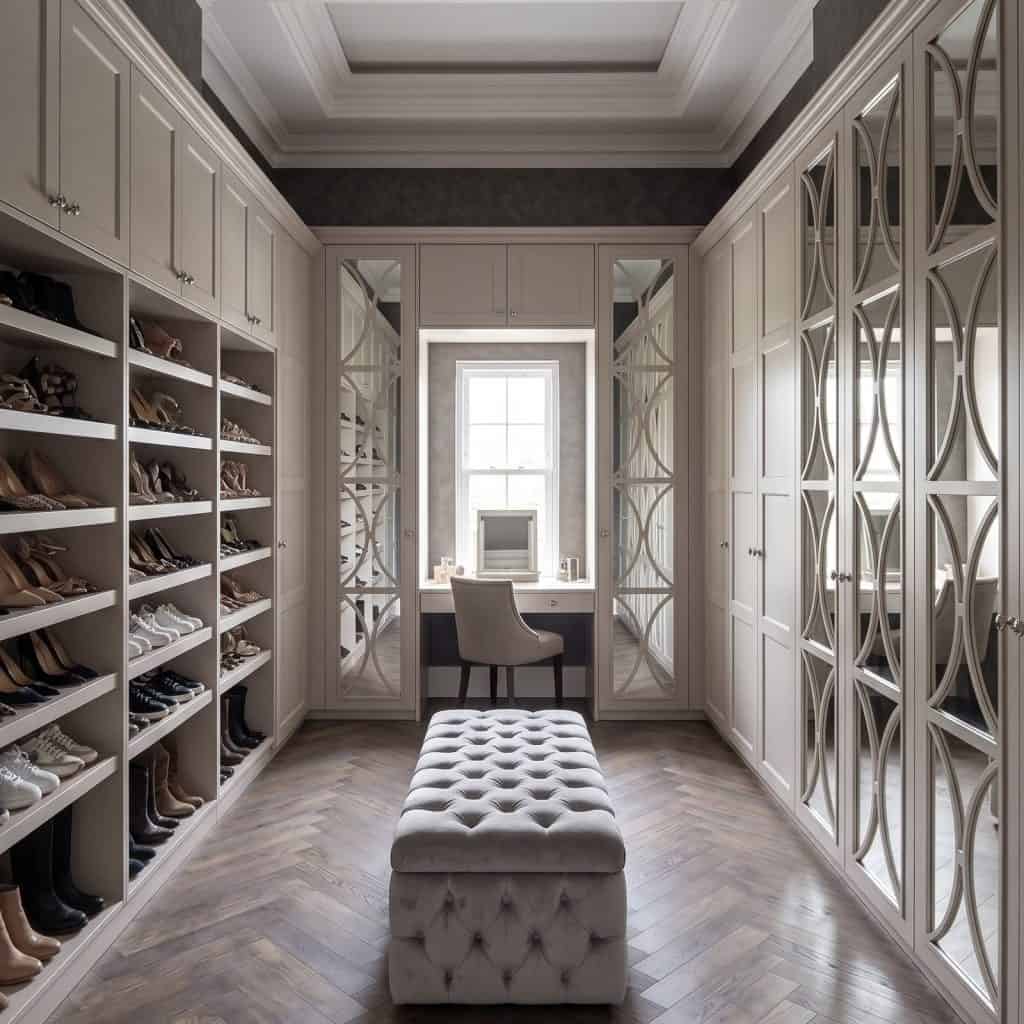
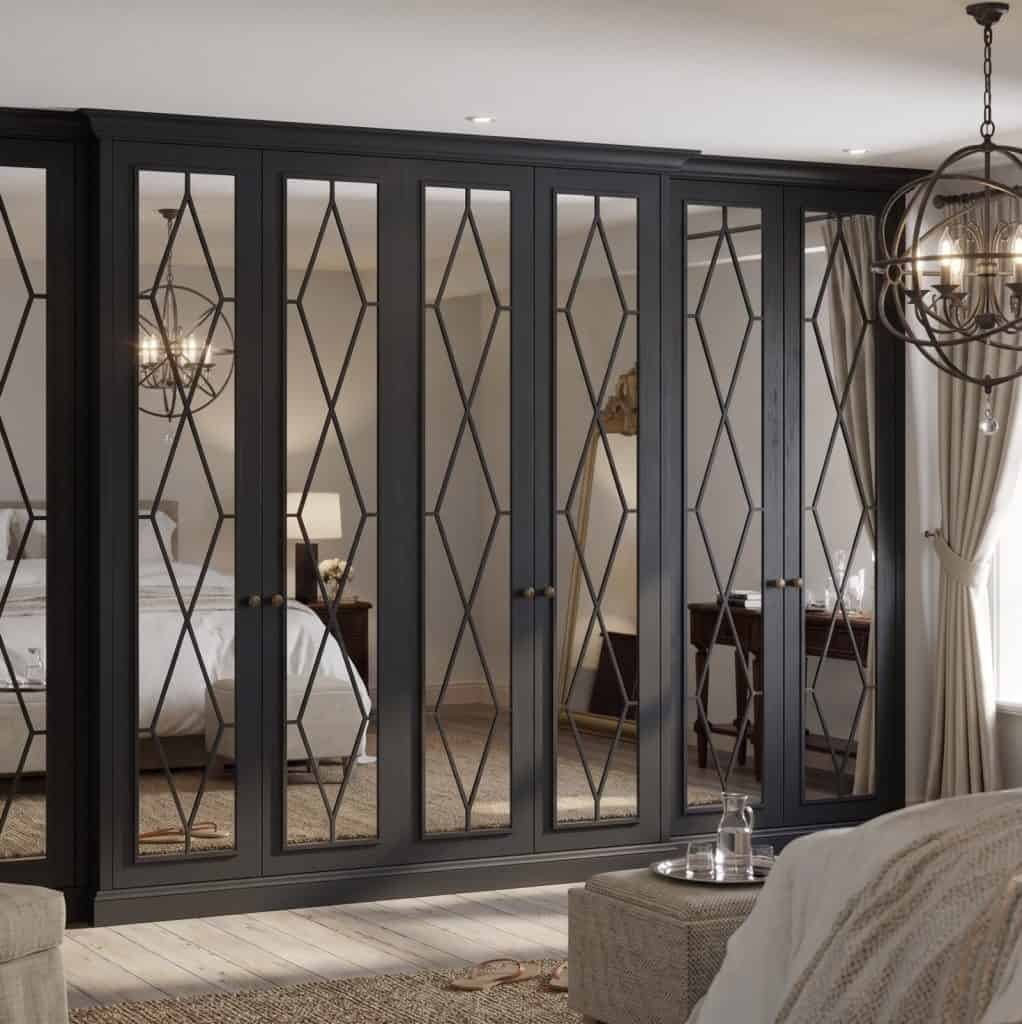
For those aiming to create a grand, boutique hotel feel, mirror fret wardrobe doors are an exceptional choice. Integrating floor-to-ceiling glass into your cabinetry does more than provide a functional full-length mirror; it effectively doubles the perceived light and space in a room. The fretwork patterns serve to break up the mass of a large wardrobe wall, adding a layer of intricate detail that speaks to high-end craftsmanship. This combination of glass and timber creates a dynamic surface that changes throughout the day as natural light moves across the room. If you’re looking to transform your bedroom into a light-filled sanctuary, you can explore our bespoke door styles to find the perfect fretwork pattern for your project.
Designing Your Custom Wardrobes with Wardrobe Door Studio
The journey towards a perfectly realised interior requires a partner who understands the delicate balance between aesthetic vision and technical reality. At Wardrobe Door Studio, we recognise that floor to ceiling fitted wardrobes are more than simple storage; they are a structural investment in your home’s architecture. Our regional manufacturing roots in England serve as a hallmark of quality, anchoring every project in a tradition of excellence. By keeping our production local, we maintain absolute quality control over every hand-sprayed finish and precision-cut panel. This commitment to British craftsmanship ensures that your bespoke cabinetry is built to endure, reflecting a mastery of craft that modular alternatives cannot replicate.
Whether you are a homeowner seeking a sanctuary or a developer requiring high-specification finishes, our process is designed for clarity and efficiency. We move seamlessly from the initial artistic vision to the practical logistics of installation, ensuring that every millimetre of your space is utilised. This methodical approach builds trust, as we guide you through a logical progression from the first design consultation to the final, hand-finished result.
From Concept to Completion
- Step 1: Design Consultation and Style Selection. Your project begins with a refined invitation to explore our range of styles. Whether you choose the slender proportions of Skinny Shaker, the light-enhancing Mirror Fret, or the minimalist clarity of Flat Panel doors, this stage defines the visual character of your room.
- Step 2: Technical Site Survey. Precision is the foundation of a seamless look. Our experts conduct a thorough survey to record the unique architectural quirks of your space, accounting for the uneven ceilings and floors common in UK properties. This data is vital for ensuring a true floor-to-ceiling fit without filler gaps.
- Step 3: Precision Manufacturing. Once the technical specifications are finalised, your wardrobes are crafted in our English workshop. We utilise high-density materials for structural stability and apply our signature hand-sprayed finishing to achieve a depth of colour and durability that mass-produced units lack.
The Professional Installation Experience
The final installation is where technical expertise meets artistic execution. Our professional fitters handle the complex task of scribing panels to follow the exact contours of your walls and ceilings, ensuring the “built-in” look we have promised. We prioritise a clean, efficient process that minimises disruption to your home, leaving you with a flawless architectural feature. For trade professionals and experienced designers, we also offer a comprehensive supply-only service. This provides access to our premium components and trade supplier wardrobe doors, allowing you to integrate our British-made quality into your own bespoke projects with confidence.
Elevate Your Home with Architectural Storage
The transition to floor to ceiling fitted wardrobes marks a move away from the compromises of mass-produced furniture. By choosing cabinetry that integrates perfectly with your home’s unique height, you eliminate the visual clutter of “modular gaps” and reclaim valuable vertical storage. We’ve seen how bespoke designs for high ceilings provide an elegant silhouette that modular units simply cannot replicate. Every panel is hand-sprayed in England to ensure a tactile, premium finish that stands the test of time, supported by the structural integrity of high-density materials and professional hinges.
Our professional nationwide installation team handles the technical complexities of uneven architecture, ensuring your new wardrobes look as though they were built with the house itself. You don’t have to settle for the limitations of standard sizing when a seamless, luxury aesthetic is within reach. Book your luxury wardrobe design consultation today and begin the process of transforming your bedroom into a curated, clutter-free sanctuary. It’s time to invest in craftsmanship that truly fits your life.
Frequently Asked Questions
Can I have floor to ceiling wardrobes if my ceiling is sloped?
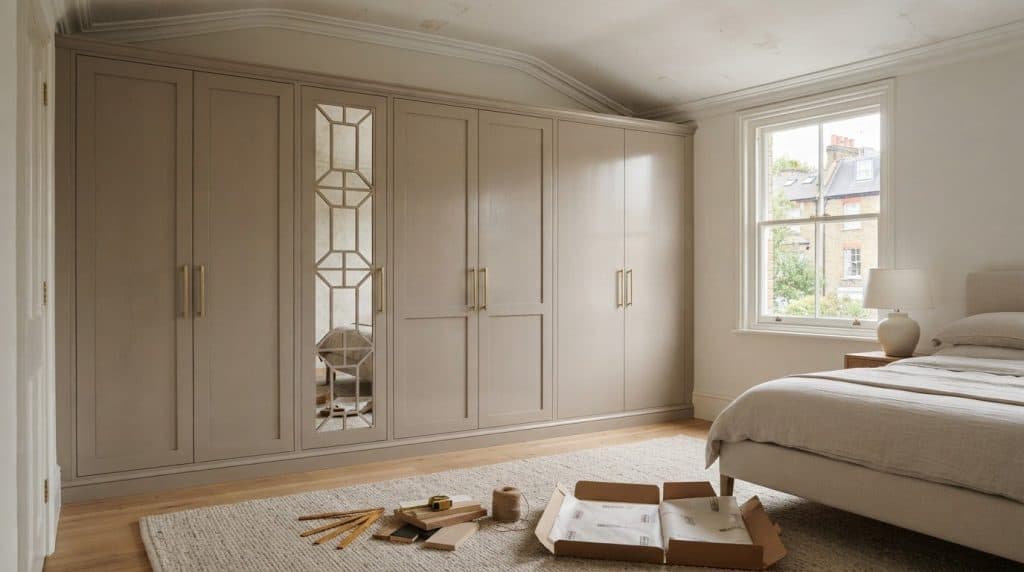
Yes, bespoke cabinetry is ideally suited for sloped or pitched ceilings. Our fitters use precision scribing to ensure the top of the wardrobe follows the exact angle of your roofline, maintaining a seamless finish without awkward gaps. This custom approach allows you to reclaim lost space in loft conversions or period properties with unconventional architecture whilst maintaining a clean, architectural look.
Do floor to ceiling wardrobes make a small room look smaller?
No, floor to ceiling fitted wardrobes typically create the illusion of a larger room. By drawing the eye upward and eliminating the visual break of a modular gap, the continuous vertical lines elongate the space. Choosing light colours or integrated mirrors further enhances this effect, making a compact bedroom feel significantly more spacious and less cluttered than it would with standard units.
What is the maximum height for a single wardrobe door?
We typically manufacture single doors up to a height of 2.6 metres. To ensure structural integrity at this scale, we utilise high-density materials and heavy-duty hinges that prevent warping or sagging over time. For ceilings exceeding this height, we can design a stacked configuration that maintains the seamless vertical aesthetic whilst ensuring the long-term stability of the cabinetry.
How do you handle coving or skirting boards with fitted wardrobes?
We handle existing coving and skirting boards through a process called scribing. Our professional fitters carefully trim the wardrobe panels to follow the exact profile of your room’s architectural details. This creates a flush, built-in look that suggests the wardrobes were an original feature of the house. It removes the need to remove or damage your existing period features.
Are floor to ceiling wardrobes more expensive than standard ones?
Bespoke full-height wardrobes generally require a higher investment than standard units because they use more material and involve complex installation. The cost reflects the precision engineering, hand-sprayed finishing, and the elimination of decorative fillers. However, this investment adds permanent property value and provides a level of durability and storage capacity that mass-produced, shorter furniture simply cannot match.
Can I replace the doors on my existing frames with floor to ceiling ones?
Yes, it’s often possible to replace doors on existing frames with floor-to-ceiling versions. This is an effective way to modernise a room without a full structural rip-out. We manufacture replacement doors made to measure that can extend above your existing carcasses, using a shadow gap or scribed panel to hide the original top edge and reach the ceiling precisely.
What materials are best for tall wardrobe doors to prevent warping?
High-density fibreboard is the superior choice for tall, bespoke doors. It provides the necessary rigidity and weight to prevent the warping that often affects thinner, mass-produced materials in humid environments. When combined with our hand-sprayed finish, these doors remain perfectly flat and stable, even at heights exceeding 2.4 metres, ensuring a flawless fit for decades.
How long does the installation of floor to ceiling wardrobes take?
Most installations are completed within one to three days. The exact timeframe depends on the number of units and the complexity of the scribing required for your specific ceiling and walls. Our fitters prioritise a clean and efficient process, ensuring that your custom floor to ceiling fitted wardrobes are ready to use with minimal disruption to your daily routine.